At 07:52 on 22 March 2016, Belgian-American athlete Karen Northshield was in the Delta Airlines check-in line at Brussels Airport in Zaventem, about to board a flight for a sunny break with family in America.
Northshield's life was about to change forever. She was standing in line right next to a suicide bomber who was carrying explosives in his suitcase. In a heartbeat, she was thrown to the floor, suffering extreme injuries.
As every person alive in the airport hall managed to leave the building, Northshield was left on the floor in agony for almost 20 minutes before a brave man came back inside the building looking for survivors.
He saw her and ran straight over. Without saying a word, the man grabbed her and dragged her to the pavement outside.
She remembers feeling the pain from head to toe as she was taken outside into the open air. The man left immediately after rescuing her.
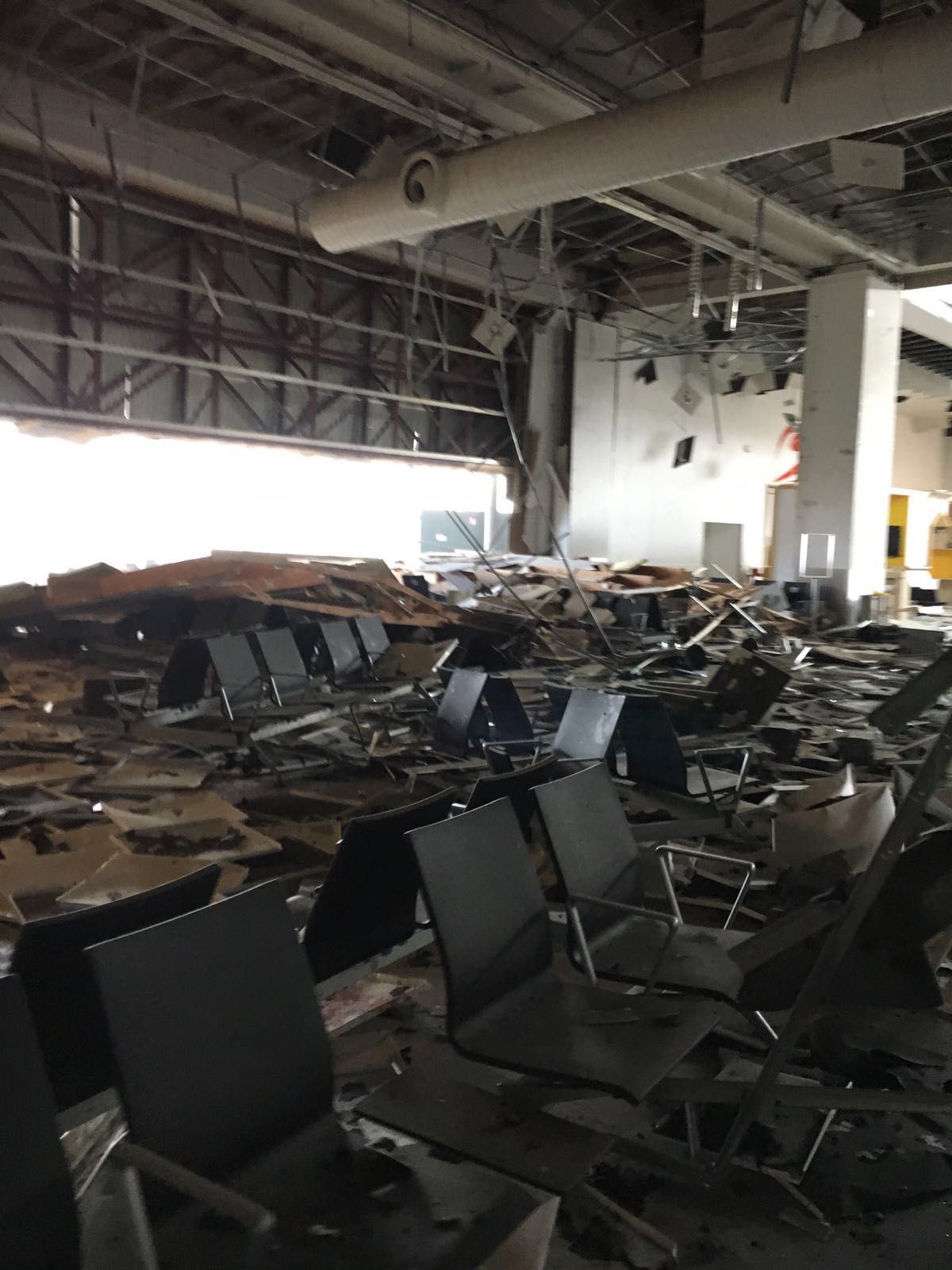
The Brussels Airport departure hall right after the bombing. Credit: Handout
'What I experienced was not death, it was hell'
After taking a few breaths of fresh air, Northshield zoned out on her way to the hospital. "My life was hanging by a thread, and I was close to death," she told The Brussels Times. "Intensive care lasted 79 days, between coma and a kind of half-conscious state."
Northshield suffered several haemorrhages, a broken pelvis, multiple hip, leg and foot fractures and had hundreds of pieces of the bomb in her body.
The doctors gave her next to no chance of survival. She was hospitalised for three-and-a-half years, fighting countless infections and undergoing more than 60 operations.
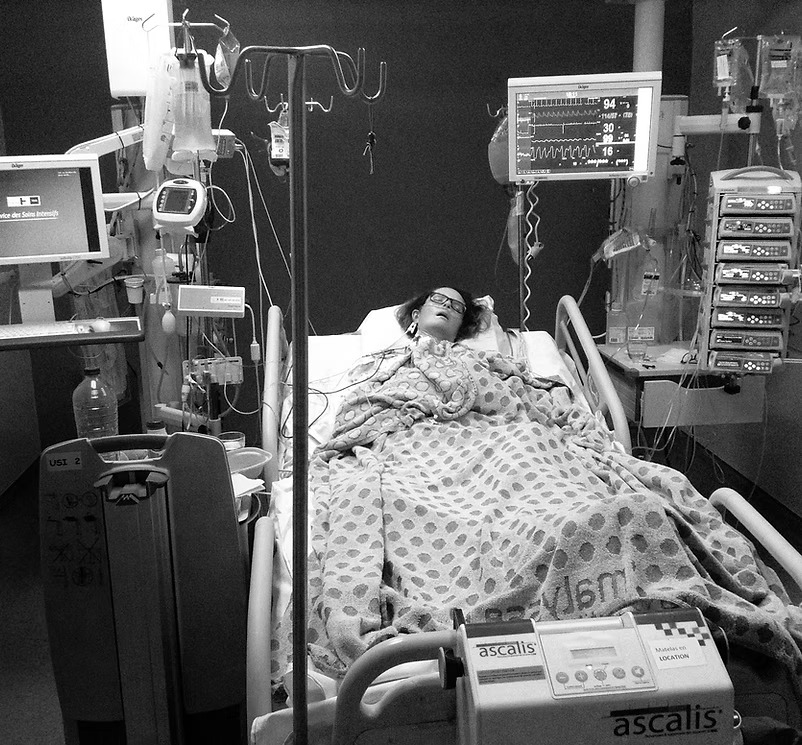
Karen Northshield was an acclaimed fitness coach, yoga instructor and personal trainer. Credit: Handout
Northshield is one of the most severely injured survivors of the 22 March attacks. During our interview, she also told us about new health complications, including recent hearing problems.
"What I experienced was not death, it was hell," said Northshield. "Instead of waking up in the sunshine beside my loved ones, I woke up in a bed of flames and pain. From a happy, dynamic, fulfilled young woman in perfect health, I became someone almost dead, broken and wounded in both body and soul."
'I had a hole in one leg – I lost the other'
The night before the attacks, matchmaking agency employee Walter Benjamin had stayed the night at his mother's home in Brussels to avoid rushing for his flight to Tel Aviv, where he was supposed to visit his daughter, Maurane.
Arriving early for his flight at Zaventem airport, he had time to spare until his departure. As he rode the escalator up to the departure hall, he briefly stopped to enter the Delhaize supermarket.
He went over to drop off his luggage, choosing row four rather than row five, which was more crowded. At 07:52, Benjamin was only a few metres from the suitcases that would explode moments later.
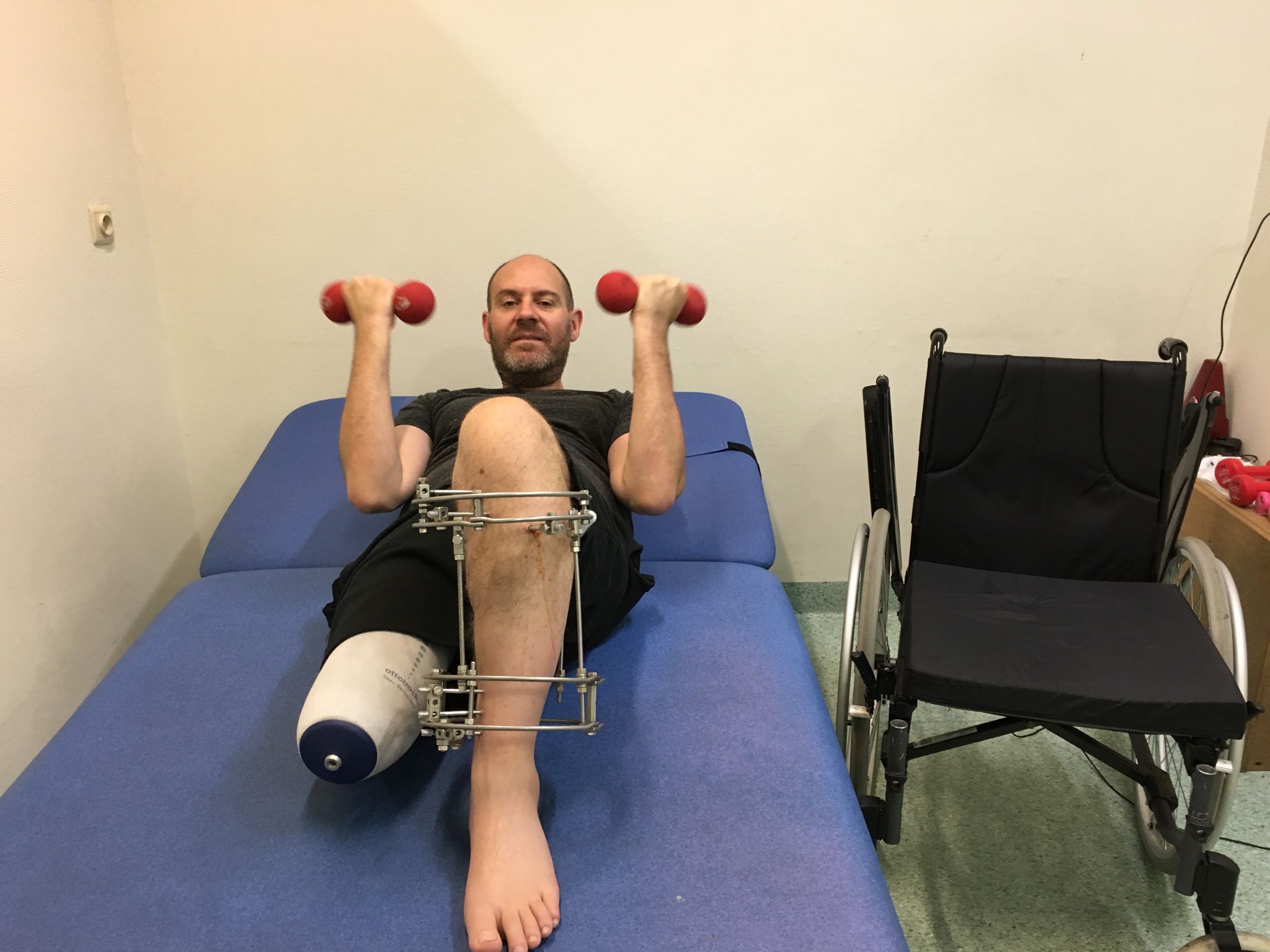
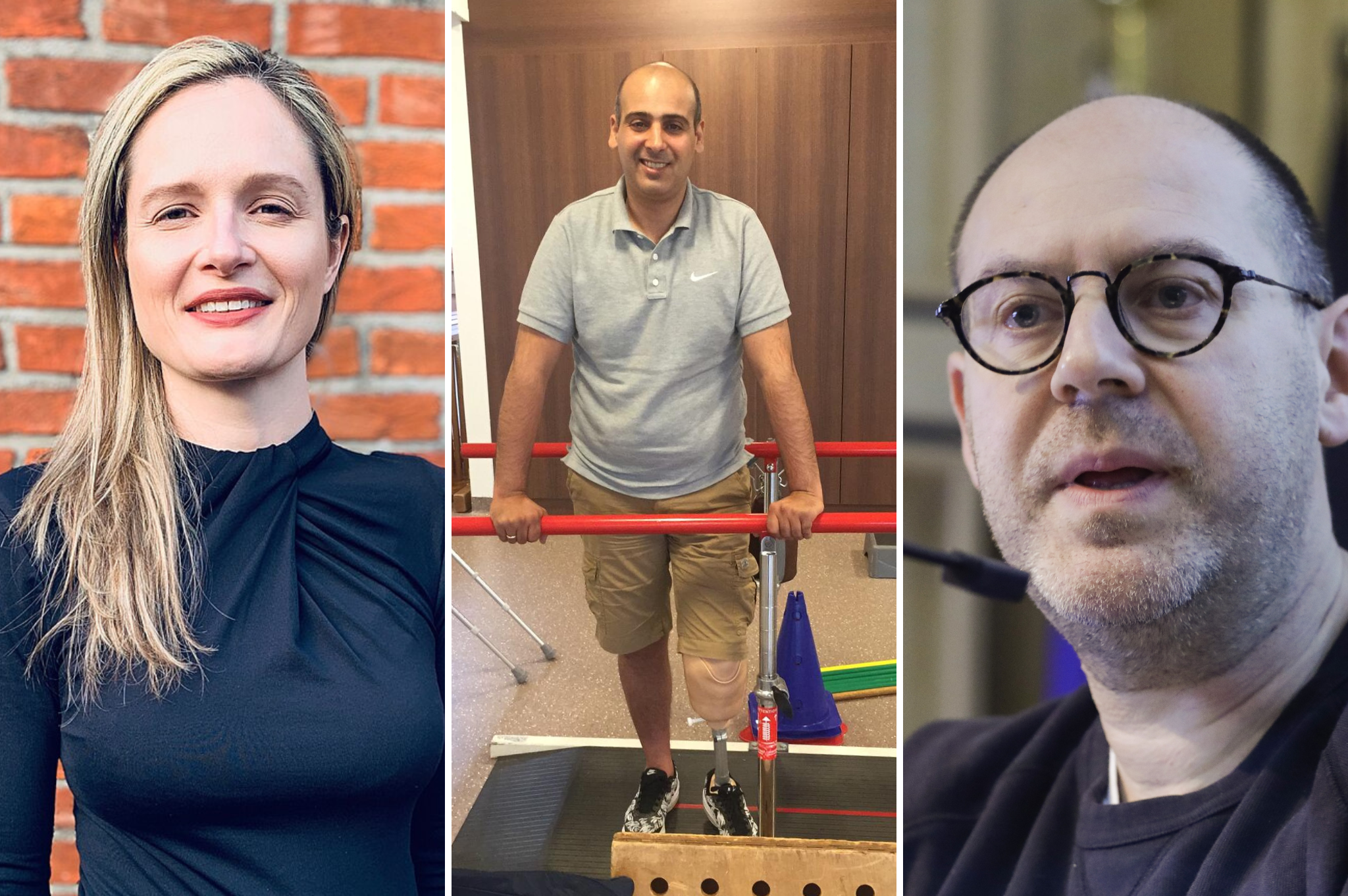
Benjamin lost his leg and now has a prothesis to help him walk. Credit: Handout
He remembers little from the bombing and his arrival at Jette Hospital. It was only upon waking up that the doctors informed him about what had been done to his amputated leg. Blood transfusions were needed to compensate for the litres of blood he had lost.
"I had no burns. But nail impacts to the skull, the eyebrow, and the back. I had a hole in one leg; I lost the other. And six internal fractures. They also had to stitch up my chest," he told The Brussels Times.
Both Northshield and Benjamin are considered war victims by the Belgian state, and were granted financial safety nets every month after the attacks.
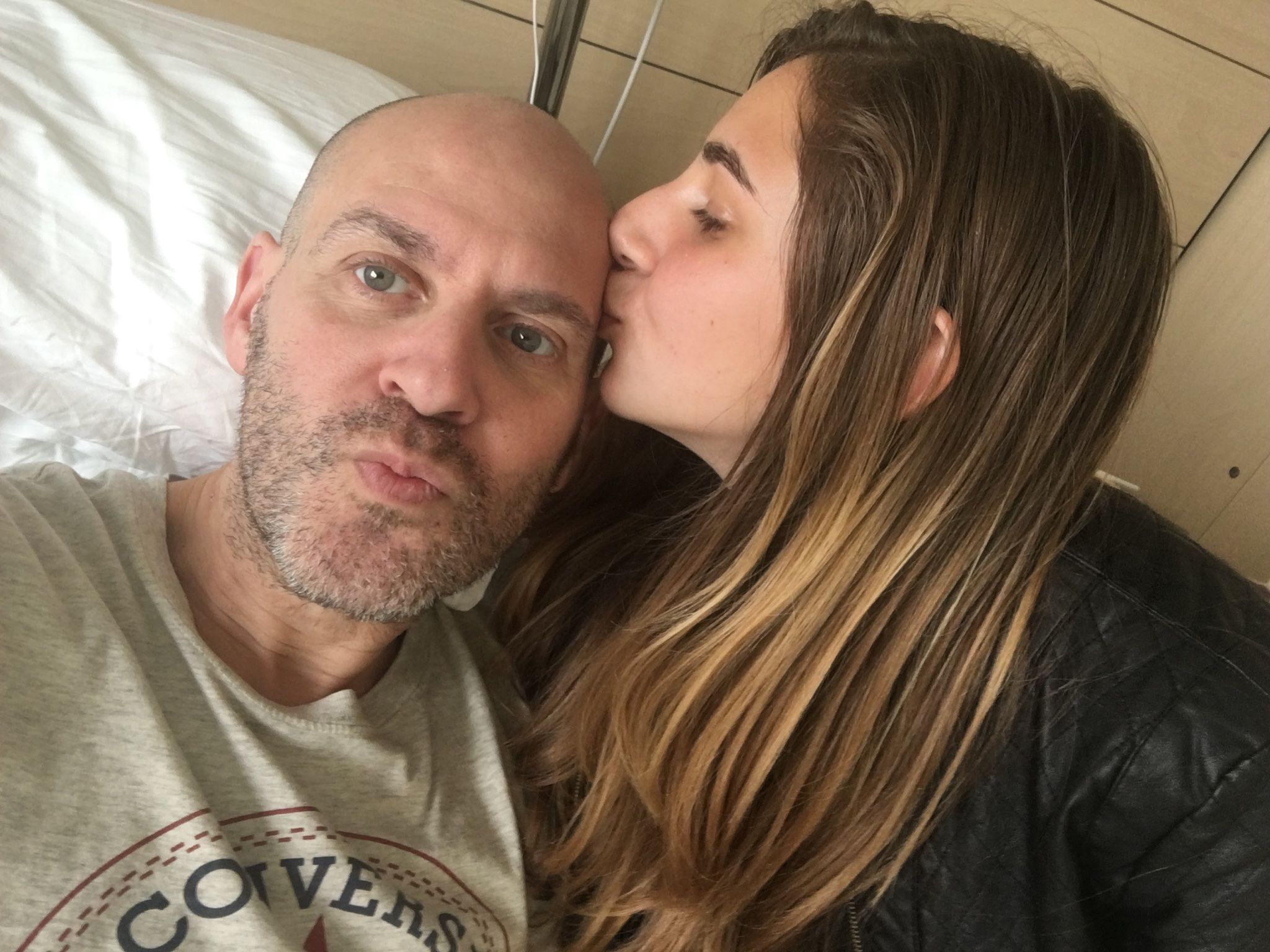
Walter Benjamin and his daughter Maurane. Credit: Handout
Both survivors told The Brussels Times that it was in "no way, shape or form" sufficient to deal with the psychological, medical and administrative ordeal that continues to affect them, 10 years on.
"It was 22 March repeated again and again and again," said Northshield. "I talk to other victims, who say the same thing, they don't feel like there's an adequate recognition of their invisible injuries, such as psychological trauma, repeated re-evaluations that can reopen wounds," says Benjamin.
The pension ordeal
In a recent letter seen by The Brussels Times, the Federal Pensions Service informed Benjamin that a "debt" had been created in his file following a review of his compensation pension.
"Under Article six of the law of 18 July 2017, a compensation pension cannot be combined with other compensation paid for the same damage," the letter stated. "In accordance with Article 34 of the law of 15 March 1954, deductions will be made from future pension payments as part of this debt."
The administration argued that, between March 2016 and July 2025, insufficient deductions had been made in light of other compensation received. It stated that the amount would be recovered through reductions to future payments – potentially up to 20% of Benjamin's monthly pension.
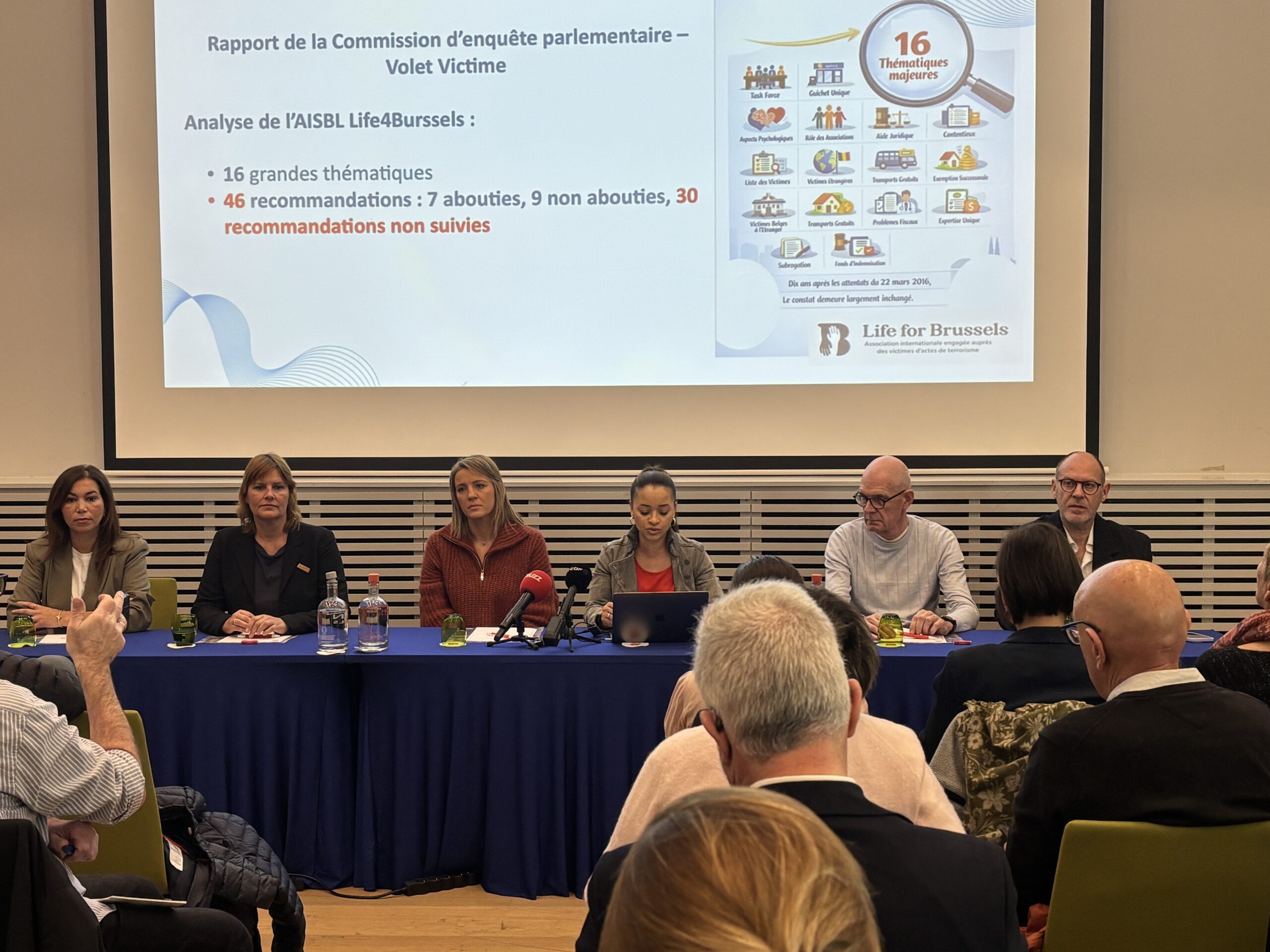
During the press conference attended by lawyers, Belgian media, and politicians, victims spoke among themselves, their exchanges marked by anger and frustration. Credit: The Brussels Times/Anas El Baye
In an emotionally loaded press conference held last Thursday, members of the media learned that, like Benjamin, 56 other survivors of the 2016 attacks, including Northshield, had also been ordered to repay substantial sums received by the government. The government argued that, in light of compensation received from private insurers, victims had exceeded their allowable threshold and therefore owed them money.
According to the victim support association Life4Brussels, the ordeal goes beyond financial debts. For Life4Brussels, the Belgian state has simply failed in its mission to establish a "clear, supportive and effective compensation and care system for victims and their relatives".
"It is quite shocking to see that, 10 years later, victims who never asked for these pensions are now being asked to repay them," Life4Brussels counsel Valérie Gérard told The Brussels Times.
"We immediately alerted the administration that these recoveries were unlawful. Despite that, letters continued to be sent, retroactive calculations were made, and deductions were applied," she said.
Benjamin was left fearing that he would be lumbered with a debt of between €130,000 and €150,000. He told The Brussels Times that the episode had "severely eroded his trust in the Belgian state".
"This country is heading for disaster," he said. "I no longer know what it means to be Belgian. If I could, I would hand back my ID card and passport."
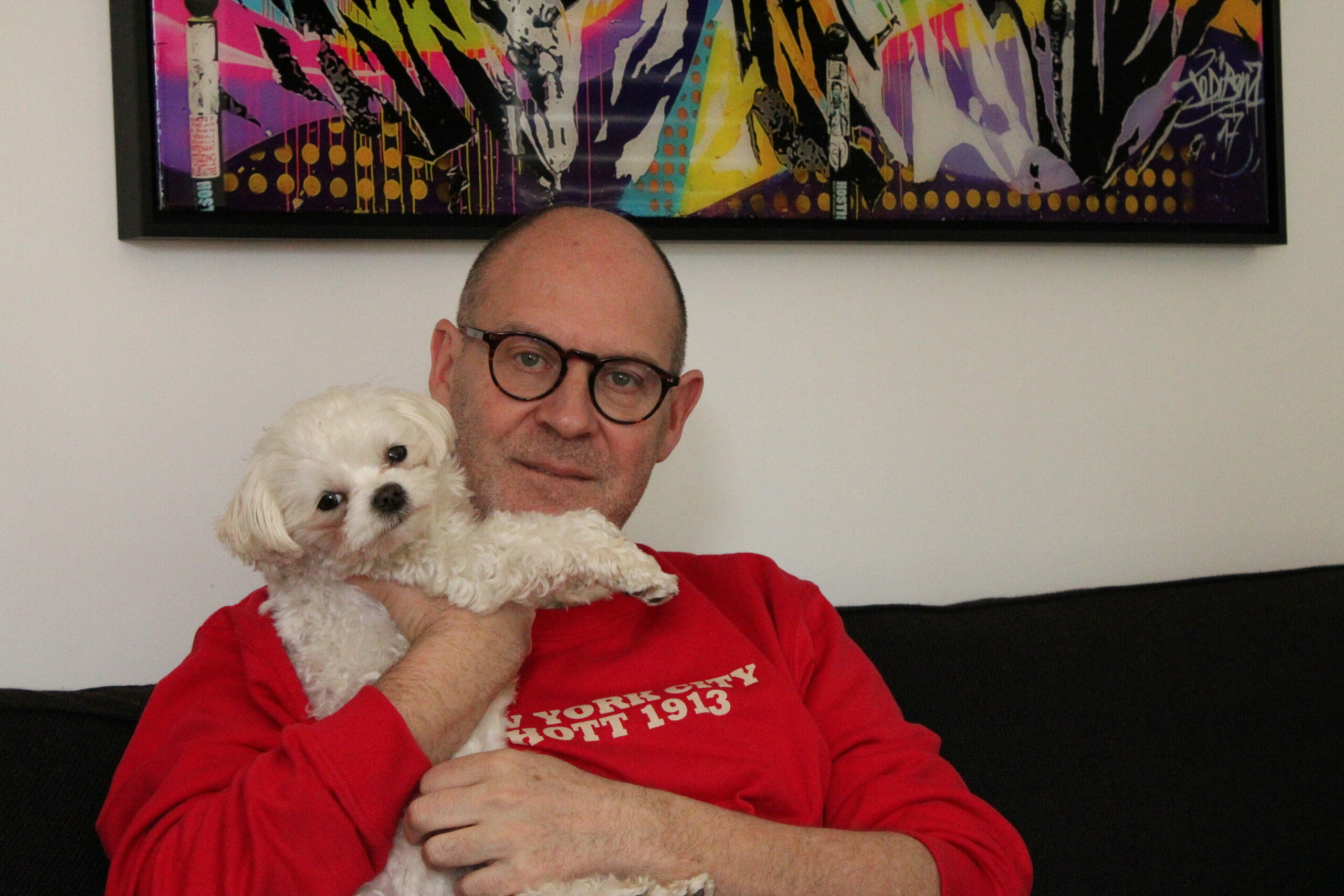
Today, Benjamin lives alone with with his dog. Credit: The Brussels Times/Anas El Baye
Back-peddling
As the issue gained media and political traction, the Pensions Service quickly reversed course. In a statement issued on Thursday, it acknowledged its mistake and pledged to correct it.
According to Le Soir, the service stated that, "In 14 cases, amounts were wrongly recovered. The individuals concerned have since received an explanatory letter confirming that these sums will be reimbursed shortly.
"Forty-three other individuals received a letter that may have been confusing. They will receive a new letter clearly confirming that no retroactive recovery will take place and that only future monthly payments will be adjusted."
Although there has been a change of heart by the administration on the pension issue, survivors remain fed up with the onerous administrative burden they have to deal with on a daily basis.
According to Gérard, survivors have to deal with a complex web of administration to get the funds they are entitled to. Between insurers, the Justice Ministry's victims' compensation commission, Defence, Medex, the Pensions Service, and the Social Security Ministry for disability-related matters, it remains overly complex.
A dehumanising system?
For Northshield, the pension issue cannot be detached from the wider history of how victims have been treated since the attacks.
She told The Brussels Times that while she was fighting to survive, she was also forced to build a medico-legal file to obtain recognition and compensation. In other words, she was expected to prove herself as a victim while still trying to stay alive.
Abdellah Lahalli is another survivor who lost his leg in the attacks. He spoke to The Brussels Times with visible fury, saying that the system has become "dehumanising".
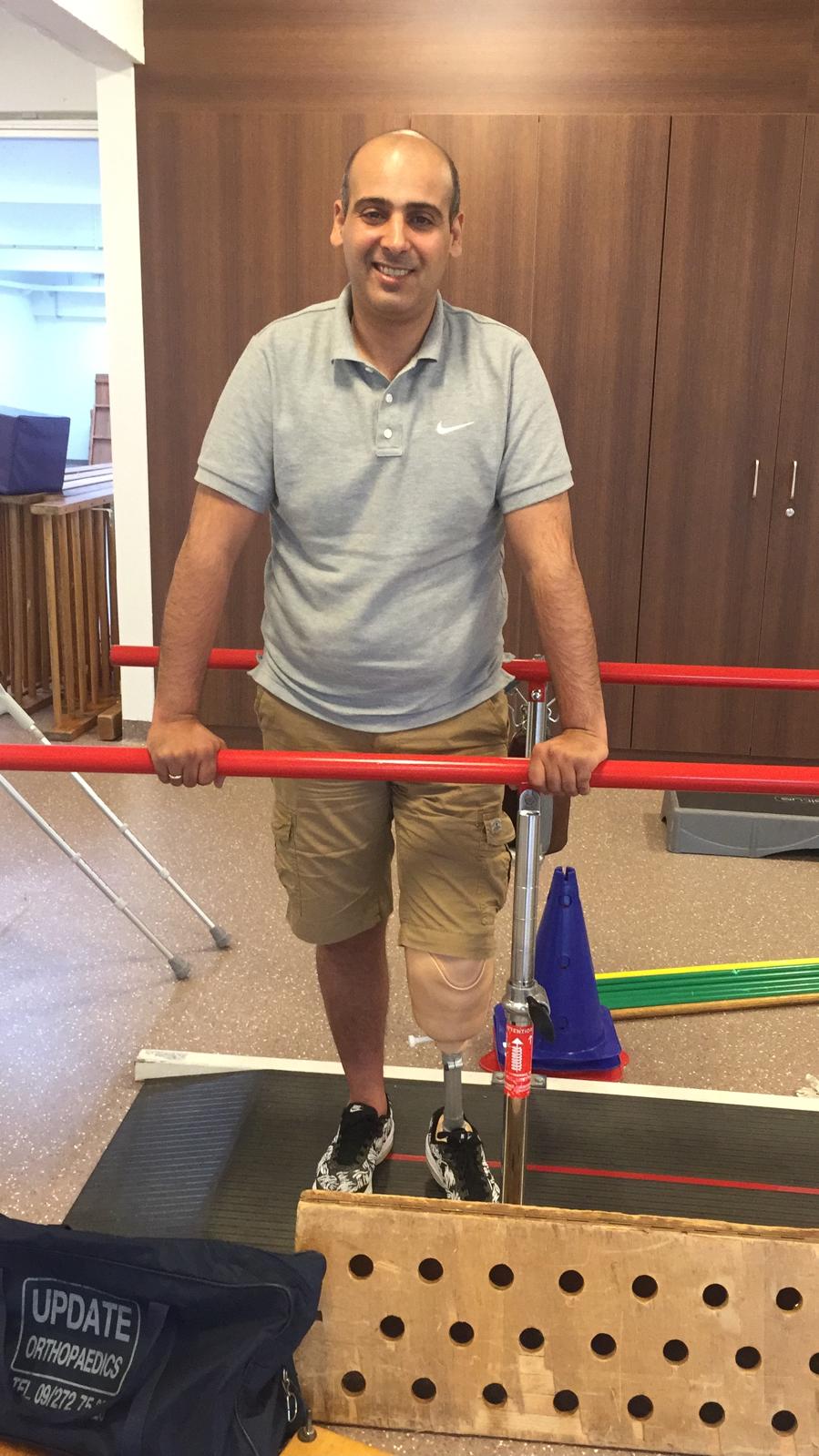
Lahalli is another victim of the bombings who lost his leg. Credit: Handout
He says the attacks "stole more than his health" – they also took years out of his ordinary family life.
"I did not see my children grow up," he said. "Between age 7 and 19, I just did not see them grow up. I was dealing with hospital visits, doctors, justice and administration."
