Good afternoon. It's Katie Westwood back holding the pen on Belgium in Brief today.
The political repercussions of last week’s violent demonstrations in Brussels are still being felt.
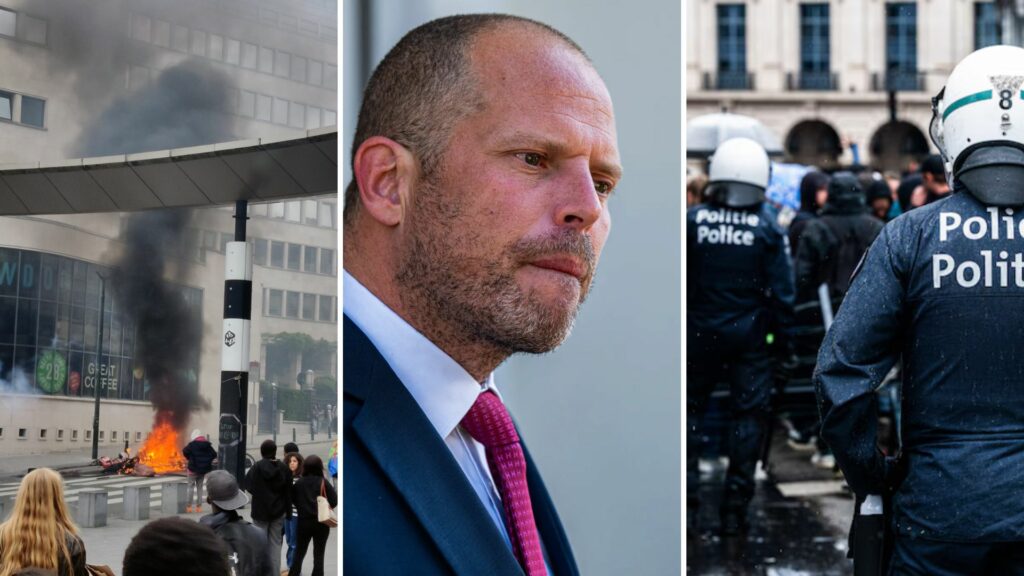
On Thursday and Friday, hundreds of students took to the streets protesting against reforms within the French-speaking education system. While most were there to simply show their dissent, a minority behaved appallingly, causing damage to public property and committing acts of violence.
In the wake of the protests, Defence Minister Theo Francken (N-VA) – never one to be backward in coming forward – decided to throw a bit of red meat to his political base by suggesting the young rioters should be sent to an army "bootcamp" for re-education purposes.
It's an old chestnut of an idea, often put forward by politicians who have no experience of being in the armed forces themselves.
I wonder what Belgium's military personnel think of it. Perhaps there are some old-school drill sergeants out there salivating at the prospect of knocking the country's wayward youth into shape. But I suspect many would prefer politicians like Francken to focus on the more serious task of forging a well-funded, professional armed forces, capable of delivering on the country’s NATO commitments.
As our Political Editor Maïthé Chini suggests, Francken's words served as a distraction from other conversations about last week's demonstrations. Not only were there concerns about the behaviour of the rioters, but there were also criticisms of the police, who have been accused of using heavy-handed tactics against demonstrators. Read the full story here.
Staying with the subject of the youth of today, reporter Christopher Richards delved into Belgium's figures on young people who are not in education, employment or training (doubly cursed with the hateful acronym NEETs).
Belgium’s NEET figures are good in comparison to other EU countries (and to the UK, where there has been an explosion of NEETs in recent years). Read all about it here.
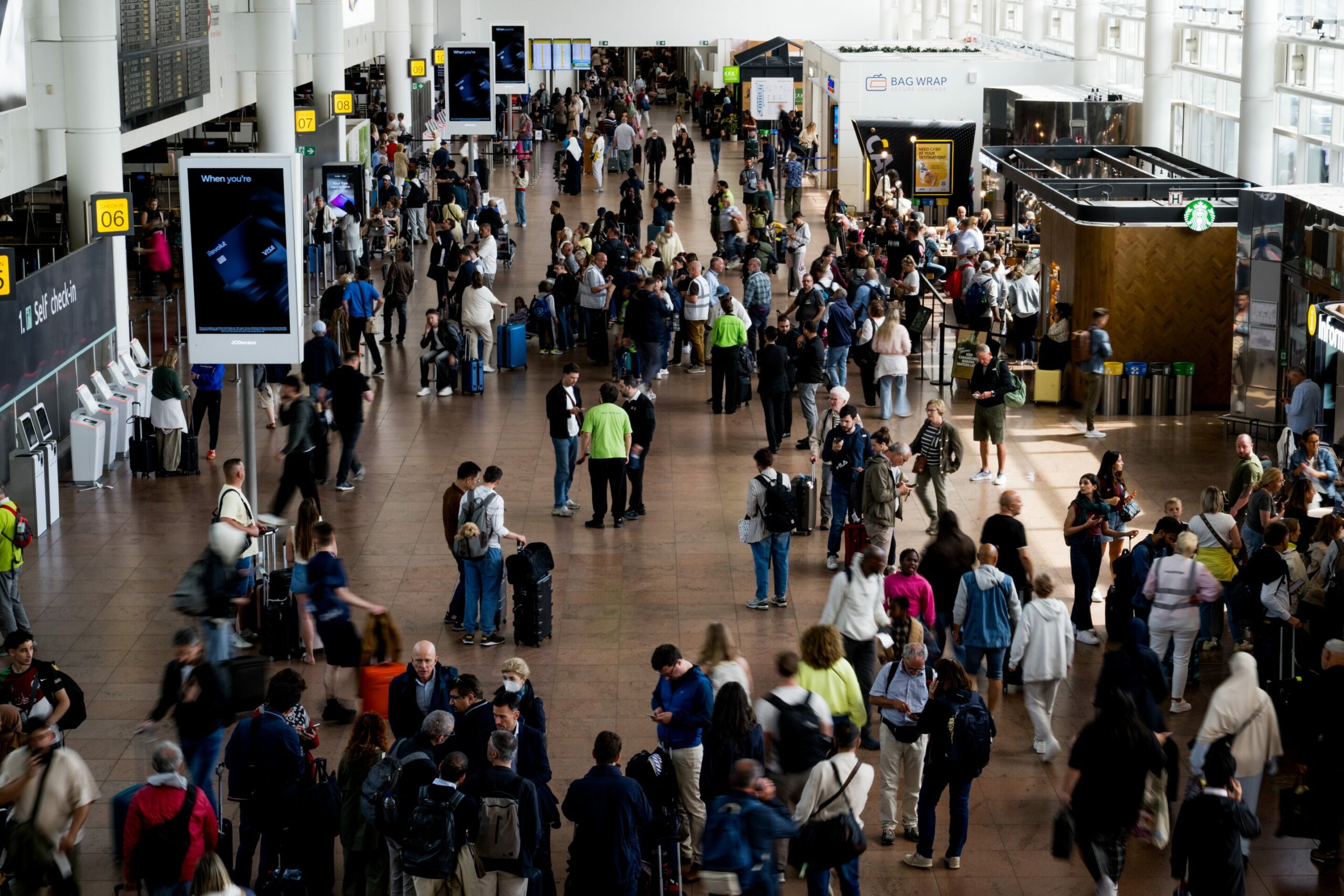
Elsewhere, reporter Rita Alves looks at serious teething problems in the EU's new border control system. Rita spoke to a Brussels Airport spokesperson about major delays at passport control for non-EU travellers arriving at the airport.
The spokesperson confirmed there have been queues of up to four hours as a direct result of checks first introduced late last year under the Entry-Exit System.
Finally, if you’re interested in buying property in Brussels and you want a better idea of where to get the most bang for your buck, check out Reza Farsi Madan’s overview of the most and least expensive places to buy an apartment in the Belgian capital.
Bye for now!
Belgium in Brief is a free daily roundup of the top stories to get you through your coffee break conversations. To receive it straight to your inbox every day, sign up below:
1. ‘Bootcamp for rioters’? Defence Minister wants army training after Brussels protests
While Theo Francken has condemned student protesters for their behaviour last week, the police have also come under scrutiny for allegedly heavy-handed tactics. Read more.
2. Brussels Airport passengers face four-hour queues due to EU border control rules
This is not the first time non-EU passengers have faced hours-long queues at passport control in Brussels Airport. Read more.
3. Youth unemployment has fallen across the EU – how does Belgium compare?
In 2015, the percentage of people aged 15 to 29 who were not in education, employment or training was 15.2% across the EU. By 2025, that percentage fell to 11%. Read more.
4. New night trains to Brussels Airport to run from next year
The additional trains to Brussels Airport are part of a wider plan to expand train services across the country. Read more.
5. The most and least expensive areas to buy an apartment in Brussels
In Brussels, apartment prices can vary sharply from one municipality to another. Read more.
6. ‘If you break it, you pay for it’: Interior Minister wants rioters to pay damage caused during protests
The proposal is part of a broader package of measures agreed by Belgium's federal government earlier this year. Read more.
7. Europe’s drug gangs are adapting faster than police can stop them, EU warns
Rather than relying solely on traditional smuggling routes, traffickers are increasingly turning to smaller ports and conducting transfers at sea to avoid detection. Read more.
