

Almost daily, we are bombarded with news of the ongoing climate crisis. Floods of unprecedented magnitude were recorded in Dubai, while the municipality of Bogotà was forced to restrict domestic water use due to extreme droughts. In areas of Spain, intensive pig farms compete with households for drinking water.
This last example is emblematic. Industrial animal production is already responsible for intense animal suffering and the inefficient conversion of plant protein into animal protein. Now, it may also compete for water with local communities in parts of Europe where water is becoming scarce. And let me add one more piece to this puzzle.
After causing unprecedented losses in domestic poultry and many species of wild animals worldwide, a couple of weeks ago, highly pathogenic avian influenza (HPAI) was detected in dairy cows who had become ill with an unknown disease in the US. Viral fragments of HPAI have meanwhile been detected in one in five samples of retail milk, with scientists trying to understand the far-reaching implications of this for public health.
Sustainable food system
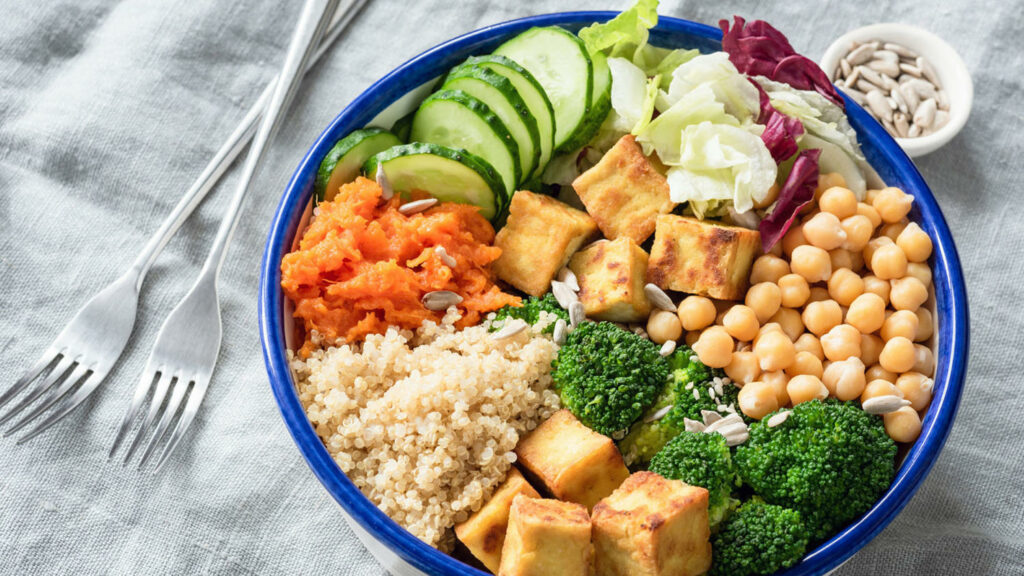
The climate emergency, the animal welfare crisis, and the risk of new pandemics are just some of the problems we urgently need to address for our food system to remain sustainable and resilient. It has become abundantly clear that protein diversification focusing on plant-rich diets is an essential part of the solution. Protein diversification is essential for food security and sovereignty.
Scientists agree that, due to the worsening climatic conditions and political instability, it is imperative to shift towards healthier diets with less animal products in Europe and other high-income countries. At the same time, the production of pulses (edible seed from a legume plant) and the greening of EU agricultural policies should be prioritised, also to reduce the dependency on imports of nitrogen fertilisers.
There is broad consensus on the need to change Western diets and multiple reasons why this is urgent. A recent report by the European Commission’s Chief Scientific Advisors in support of the proposed policy changes of the EU Farm to Form Strategy highlights that consumers are eating too many animal products. Far from being protein-deficient, we over consume animal proteins, with negative consequences for our health.
The report states in no uncertain terms that “[...] Our diets need to shift towards more plant-based ingredients, rich in vegetables, fruits, whole grains and pulses. Our diets should be limited in red meat, processed meat, salt, added sugar, and high-fat animal products, while fish and seafood should be sourced from sustainably managed stocks”.
Benefitting farmers too
The direction is clear, but the débacle of the Farm to Fork strategy in the soon-ending political term shows that progress can only be achieved by taking all stakeholders along in this journey with political courage.
For animal welfare advocates, protein diversification implies rearing substantially fewer animals and more widely adopting extensive or mixed systems where animals can have as good a life as possible.
I believe such an approach would also benefit farmers. Farmers are currently demonstrating against what they perceive as unreasonable red tape and meagre prices at the farm gate. Plans to reduce farmed animal numbers are faced with fierce opposition as livelihoods are perceived to be at stake, but the right public incentives (notably, through a targeted revision of the CAP) could ease such a transition.
We will always need farmers to produce food, just differently. Protein diversification could even boost the farmers’ future, if there is the political courage to stimulate such a shift.
For some, protein diversification means investing in insect farming for animal feed and human nutrition. However, this is arguably problematic because it means rearing trillions of animals whose sentience and welfare requirements are still poorly understood and whose impact on sustainability could be negative. As a mainly feed-driven industry, insect farming is further supporting the intensive animal farming systems that belong to the past."
And here is the crux of the matter, of course: politics. In Brussels we frequently hear that “the European Institutions cannot tell citizens what to eat”. However, one only needs to take a look at the Commission’s own promotion of agricultural products to see that it is already influencing consumption patterns, sometimes in a direction that is questionable from a public health perspective (e.g., wine and processed red meats are included in these campaigns).
Healthy diets
But even so, changing a food system goes far beyond promotional campaigns. It is rather about empowering people to adopt healthy, sustainable diets and giving everyone easy access to healthy, sustainable food. Food environments (food marketing, pricing and placement in supermarkets, availability, etc.) are essential in shaping dietary habits.
Giving information to consumers on healthy diets is insufficient in shaping new behaviours: “Policies should address the whole food environment, anywhere where food is obtained, eaten, and discussed, such as shops, restaurants, homes, schools, and workplaces, and increasingly also digital media.”
So far, this systemic element has been completely absent from European politics and the failure to adopt the framework on sustainable food systems is yet another missed opportunity of the closing political term.
Increasing the EU domestic production of plant-based proteins, diversifying protein production and promoting healthier, more plant-based diets can reduce dependency on imported feed and strengthen the EU's strategic autonomy. This will also mean that we will be less reliant on feed imports, which still remain a cause of global deforestation.
Similarly, the shift to healthy, more plant-based diets presents new business opportunities for farmers, notably through increasing demand for fruit and vegetables, as well as pulses for human consumption.
At the same time, we need to have science-based conversations around cultivated meat, a piece of the puzzle that is recognised for its potential to replace the large number of animals kept in factory farming conditions. Yet this topic too, has often fallen prey to fear-mongering and incorrect claims.
We believe that the ongoing and future strategic discussions on the European food system will offer ample opportunity to shape a bold pathway to deliver safe, healthy, and sustainable nutrition to all while protecting the environment and respecting animal welfare.
