
The UN Office on Drugs and Crime’s (UNODC) published on Monday a new World Wildlife Crime report showing that wildlife trafficking overall has not been substantially reduced over two decades.
“Wildlife crime inflicts untold harm upon nature, and it also jeopardizes livelihoods, public health, good governance and our planet’s ability to fight climate change,” said Ghada Waly, UNODC Executive Director.
“To address this crime, we must match the adaptability and agility of the illegal wildlife trade. This demands strong, targeted interventions at both the demand and the supply side of the trafficking chain, efforts to reduce criminal incentives and profits, and greater investment in data, analysis, and monitoring capacities."
She added that more consistent enforcement to tackle both supply and demand, effective implementation of legislation, including anti-corruption laws, and stronger monitoring and research are needed.
The third edition of the report examines trends, harms, impacts and drivers of the trafficking of protected wildlife species; evaluates the effectiveness of interventions to combat the trade; and provides policy recommendations.
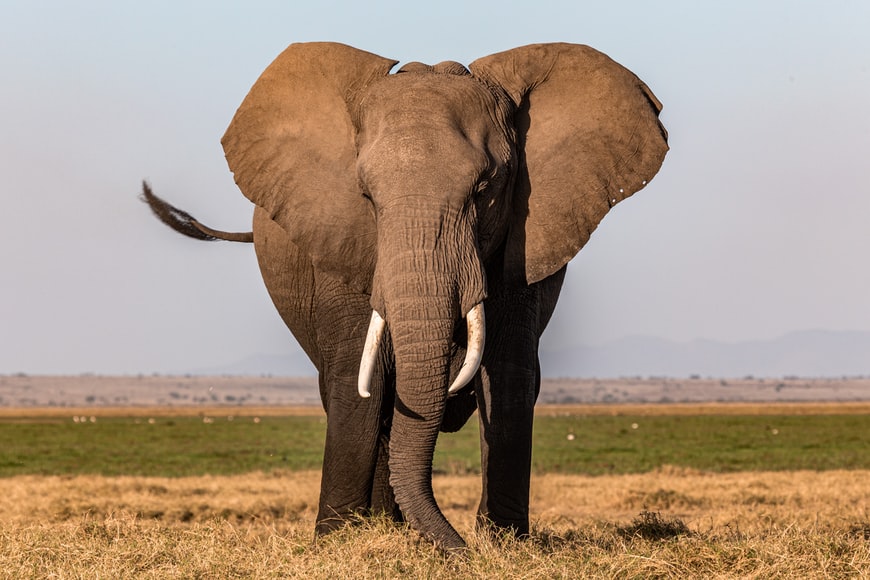
Despite positive signs in reducing trafficking impacts for some iconic species like elephants and rhinoceros, the global scope and scale of wildlife crime remain substantial, according to the report.
Seizures during 2015–2021 indicate an illegal trade in 162 countries and territories affecting around 4,000 plant and animal species. Approximately 3,250 of these species are listed in the Convention on International Trade in Endangered Species of Wild Fauna and Flora (CITES). Some of the species worse affected – like rare orchids, succulents, reptiles, fish, birds and mammals – receive little public attention.
Beyond the direct threat to the population of species posed by trafficking, the crime can also disrupt delicate ecosystems and their functions and processes – including their ability to help stabilize the climate and mitigate climate change. Wildlife crime also threatens the socioeconomic benefits people derive from nature, including as a source of income, employment, food, medicine, culture, and more.
Wildlife crime is interconnected with the activities of large and powerful organized crime groups operating in some of the world’s most fragile and diverse ecosystems, from the Amazon to the Golden Triangle. More focus could be placed on prosecuting wildlife traffickers under anti-corruption laws, the report notes.
On a positive note, recent analyses for elephants and rhinoceros demonstrated that a combination of efforts from both the demand and supply side – when coupled with high-profile policy attention, stricter market restrictions and the targeting of high-level traffickers by law enforcement – have yielded positive outcomes.
The European Commission appears to have contributed to the success. As previously reported, the Commission adopted in December 2021 new measures to ban most forms of EU trade in ivory. Under the new rules, intra-EU trade in worked ivory items is only permitted if the items in question pre-date 1947, and commercial transactions are only permitted with a certificate from Member States' authorities.
What is the EU doing to fight wildlife trafficking? A Commission spokesperson told The Brussels Times that the Commission in November 2022 adopted a revised action plan to put an end to illegal wildlife trade. The action plan will guide the Commission actions against wildlife trafficking until 2027. The Commission describes it as a collective effort at all levels – the EU, member states, UNODOC and civil society.
In Europe, illegal trafficking in waste and in wildlife species, pollution crimes, and illegal trading in hazardous substances are among the most serious environmental crimes. The revised directive on the protection of the environment through criminal law aims at deterring these crimes by more effective penalties and sanctions. The new directive was adopted in February 2024.
It is too early to draw any conclusions about the outcomes of the new action plan, the spokesperson said. The Commission is currently undertaking several policy studies and a project on demand reduction for exotic pets. Dedicated trainings for judges are also under preparation. The Commission also monitors the implementation of the action plan with the member states.
M. Apelblat
The Brussels Times
