
The runup to elections has the effect of opening up the public debate when usually the conversation zooms in on a predominant talking point. Popular favour no longer hinges on a single issue as we are invited to consider all aspects of civic life.
It's not that campaign period is a free-for-all; parties work hard to set the agenda according to their strengths. As US philosopher George Lakoff observes, "Political ground is gained when you successfully impose your framing as the 'common-sense' position."
But defining the common position in Belgium is complicated by the separation between language communities and the proportional representation voting system, which allows the public to choose candidates who align more closely with their local priorities, giving space for various issues to be treated at once.
Although Belgians of every province might really be more alike than dissimilar, national politics feeds on the differences. And in a city as diverse as Brussels, this makes it even harder to decide the key issues for the entire Capital Region. More feasible (and accurate) to zoom in on individual neighbourhoods to assess the situation.
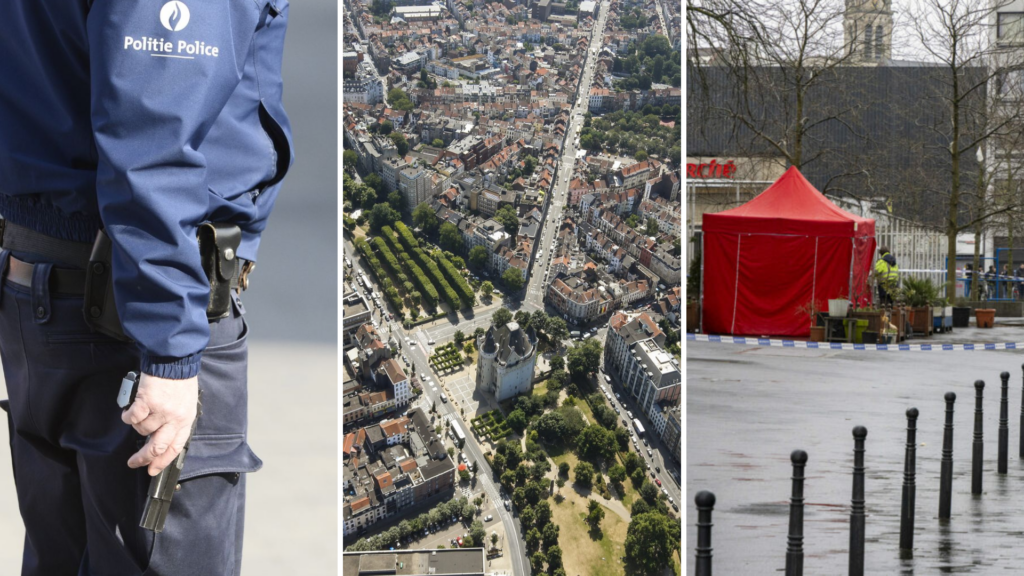
For a better sense of what most concerns voters in the city, Ciara Carolan visited the Porte de Hal area, which was put in the national spotlight earlier this year following a spate of drug-related violence which calls to act, though precisely how was less clear. Whilst police presence was increased and resources bolstered, how to provide long-term security remains open to conjecture.
Likewise, residents expressed various diagnoses and remedies: from army clamp-downs to improving working conditions and employment opportunities. And whilst safety is unquestionably a local priority, confidence in the proposals to secure this was distinctly lacking.
Belgium in Brief is a free daily roundup of the top stories to get you through your coffee break conversations. To receive it straight to your inbox every day, sign up below:
1. Europeans and their languages: Is multilingualism dying in the EU?
A century ago, French was seen as Europe's lingua franca, used by the elite in discussions of diplomacy and politics. But the European Union's latest language barometer shows English to be by far the most popular language – perhaps even to the detriment of multilingualism. Read more.
2. 'Security is the number one issue': What's the pre-election temperature around Porte de Hal?
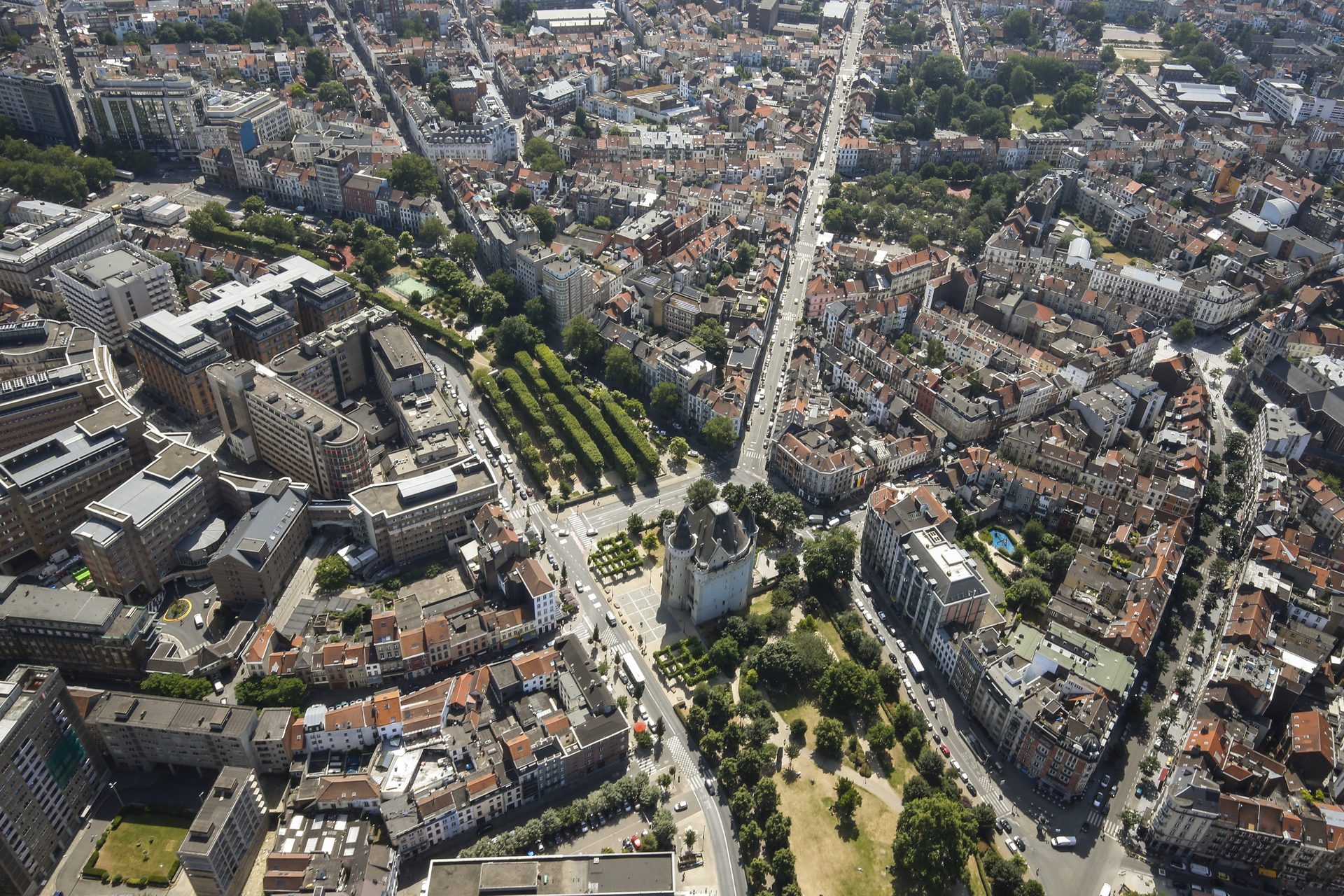
"It is dangerous here; there are knife attacks every day. We need a greater police presence. People are afraid." Read more.
3. 'Benidorm Flemish': Vlaams Belang hunt for migrant votes on Spanish riveira
In the last full sprint towards the elections, one of the leading members of the Flemish far-right Vlaams Belang party Filip Dewinter went on a striking campaigning trip – not to somewhere in Flanders, but to the Spanish Costa del Sol. Read more.
4. Belgian bathing water quality among the best in Europe
The EU's annual Bathing Water report was published on Tuesday and Belgium has once again passed the test with flying colours. Read more.
5. 13th edition of 'Dinner in the Sky' launches at the Atomium
The 13th edition of Dinner in the Sky, a gourmet dining experience suspended 50 metres above the Atomium’s esplanade in Brussels, kicked off on Thursday. Read more.
6. Justice Minister Van Tigchelt wants to be 'Minister of Security' in next government
With an ambitious plan for police reform, Federal Justice Minister Paul Van Tigchelt (Open VLD) is openly coveting for the role of Minister of Interior Affairs in the next government – preferably in combination with Justice, as a kind of "Minister of Security." Read more.
7. Hidden Belgium: The writer who was mad, bad and dangerous to know
It is almost impossible to read the plaque at Rue Ducale 51 in Brussels. You need to get up close to find out that the English writer Lord Byron spent two weeks in this town house in the spring of 1816. Read more.
