
Airbus and Thales Alenia Space (TAS), two key consortium members, are reviewing their participation in the European satellite communications project, Iris², citing risks, French news agency AFP learnt on Tuesday.
The two companies have reportedly conveyed their concerns to major project stakeholders, including Eutelsat, Hispasat, and SES, intimating a possible withdrawal from the consortium.
According to an insider, the issue is not that the project lacks value but, rather, its unfulfilled conditions require a “risk reduction phase.” This has to do with both technological and financial risks linked to such an innovative venture.
Asked for a response, neither Airbus nor Thales Alenia Space wished to comment.
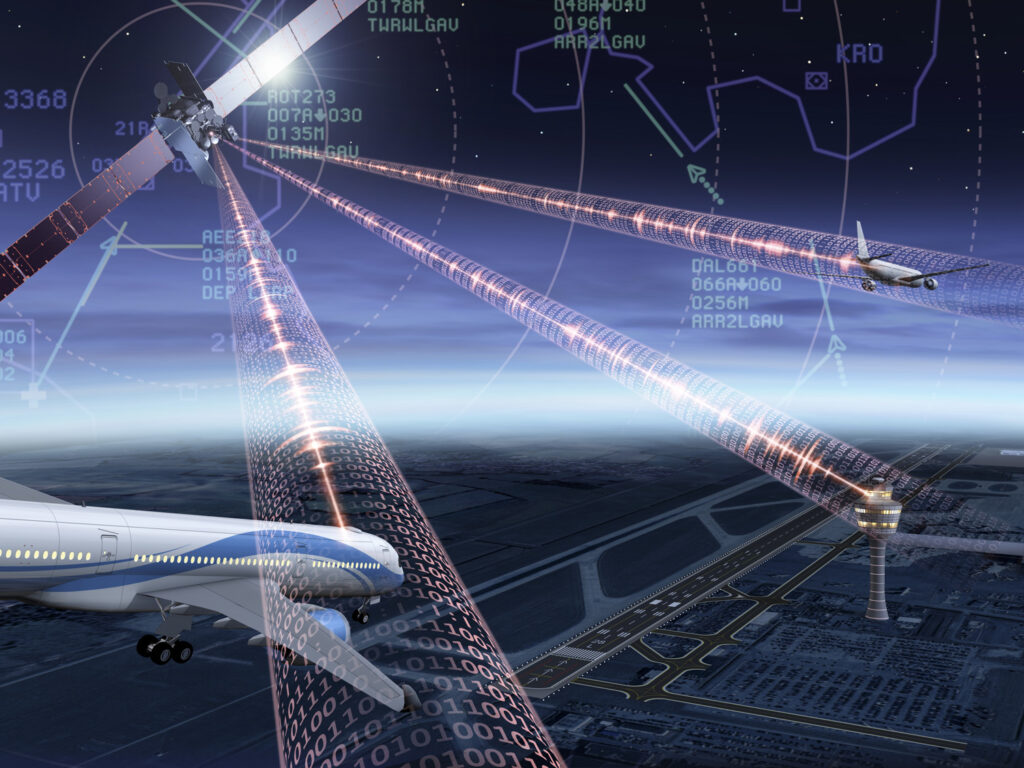
Iris², the European Union’s landmark project following the Galileo satellite-positioning and Copernicus climate-monitoring initiatives, envisages a multi-orbital satellite network. Plans include launching 170 satellites into low orbit between 2025 and 2027.
The project aims to provide the EU with secure connections, particularly for military use, and even when land-based infrastructure fails, amid increasing cybersecurity threats.
The project is also designed to eradicate areas without high-speed connection in Europe.
The Iris² project is estimated to cost €6 billion, of which €2.4 billion will come from the EU budget and €750 million from the European Space Agency, while the remainder is to be covered by private sector investment.
The contract was due to be signed six months ago, but discussions have so far proved inconclusive.
