
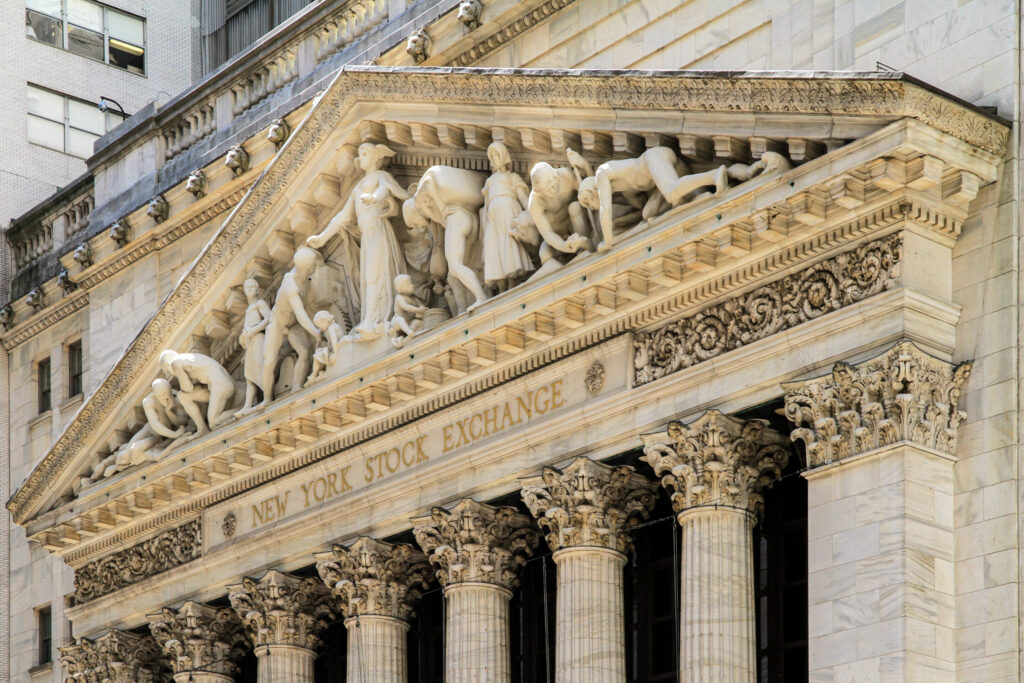
Stock exchanges around the world have been rocked by worse-than-expected employment figures in the US, which showed up in a report published Friday and subsequently sparked fears of a recession.
The selloff of stocks that was triggered by this report on Friday has continued on Monday, with historic losses in the world's most important markets. In Asia, declines were especially notable as on Monday, Tokyo’s Nikkei exchange saw a 12% drop – its largest fall since the stock market crash in 1987. Japan’s main index hit its lowest point in seven months. Over the past three trading days, the Nikkei has been significantly hit, losing over 20% in value from the record high just last month.
Investors are worried that the US Federal Reserve has delayed interest rate cuts too long and is now playing catch up. Last week, the Federal Reserve kept interest rates at a standstill, hinting at starting with cuts in September to boost the economy. But investors were spooked as it was revealed that unemployment has grown to the highest level since October 2021, fuelling fears that the Federal Reserve has been too slow to act
This slowdown in employment growth across the United States has exacerbated worries about a potential downturn, in the world’s largest economy and the American labour market.
Meanwhile, the world's wealthiest individuals saw their net worth tumble, with Jeff Bezos (founder of Amazon) losing $15.2 billion (€13.9 billion). Berkshire Hathaway – the holding company of Warren Buffet, arguably the most revered investor – sold almost half of its shares in Apple last week, a surprise move that indicated a lack of confidence in technology markets.
What does this mean for Europe?
As the world's largest economy, fluctuations in the US markets have repercussions around the world. In Europe, share values have fallen – particularly in the banking and technology sectors. The Bel20 index in Brussels has seen a 3.35% downturn to 3,880.55 points shortly after trading opened on Monday. All stocks within the main Brussels index recorded significant decreases.
But economists aren't doom-mongering yet. Speaking to L'Echo, analysts for Deutsche Bank contextualised the losses. They noted that summer is typically a time when trading is reduced, meaning that markets are more volatile. They added that Hurricane Beryl, which hit the Gulf Coast in early July, likely cost the US economy billions of dollars. Whilst the damage was sizeable, it was also an isolated event rather than a structural flaw that undermines markets.
