
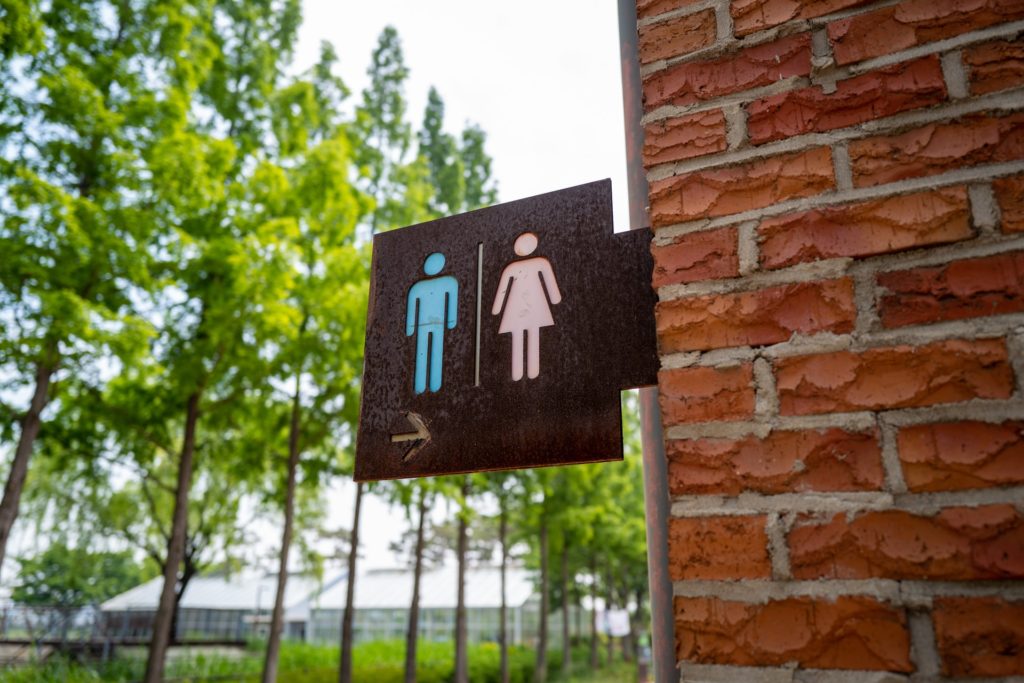
Mixed toilets in Belgian schools are "good for equality, accessibility and student well-being," according to philanthropic organisation the King Baudouin Foundation, but 65% of students remain opposed to the idea.
A survey of more than 2,800 respondents (including students, teachers and parents, of whom 71% were female and 26% were male) by the King Baudouin Foundation found that in 69% of schools in French-speaking Belgium, girls' and boys' toilets are separate.
Meanwhile, in 21% of schools there are some mixed-gender toilets, and in 6% of schools all toilets are mixed (4% of respondents did not know their school's situation regarding mixed toilets).
Survey results indicate that there are more mixed toilets in non-denominational and smaller schools, and that those with entirely mixed toilets are predominantly nursery schools.
65% of students opposed
The foundation noted that the question of gender and toilets is "divisive", as 61% of respondents were against mixed toilets, rising to 65% among students.
Students opposed to the idea cited concerns about loss of security and privacy, risk of sexual assault, incompatibility with certain religions and cultures, as well as worries about increased avoidance of toilets by girls and a deterioration in cleanliness.
However, 29% of respondents said they were in favour of mixed toilets, although this falls to 20% among students. Students in favour were mainly those who had already experienced mixed toilets in their schools, people who identify as LGBTQ+ and boys.
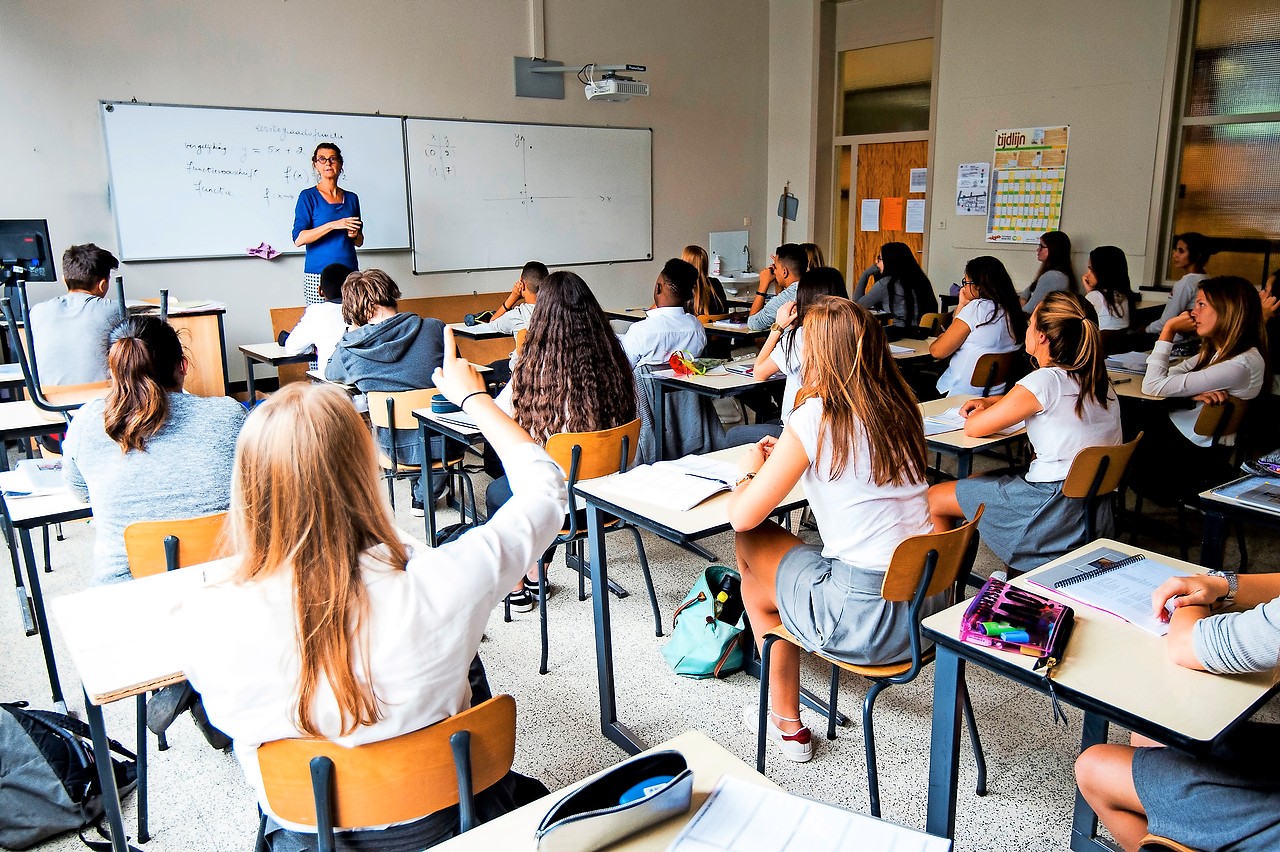
Credit: Belga / Jasper Jacobs
As students return to school in the coming weeks, the King Baudouin Foundation has said that breaking from the norm and providing mixed toilets could promote gender equality, improve the well-being of all students and make toilets more accessible to all.
Respondents in favour of mixed toilets cited easier access, as they reduce the often longer waiting times in girls' toilets, as well as improved well-being for students of certain minorities through symbolic recognition of their identity, and promotion of cohesion and equality among students.
Related News
- Flanders wants gender neutral toilets to help transgender people
- Where the waste goes: An insight into Brussels' unknown underworld
- SNCB announces plans for gender neutral bathrooms
The survey was conducted at the initiative of the BYX Fund, which is managed by the King Baudouin Foundation. Since 2013, the fund has supported more than 400 schools in Brussels and Wallonia to make their toilets welcoming, focusing on safety, comfort, hygiene and privacy.
The survey made a number of recommendations and identified key success factors for schools considering "de-gendering" their toilets. The foundation said that any toilet arrangements must be adapted to meet students' needs of privacy, security and comfort, as well as meeting diversity requirements and fitting the specific context of each school.
"The establishment of an inclusive culture within the school, promoting equality between students, the involvement of all and the fight against certain taboos, is also a determining element," the foundation said.
The theme of toilets at school will be at the heart of a conference organised by the BYX Fund on 19 November 2024, coinciding with World Toilet Day and the tenth anniversary of the fund.
