
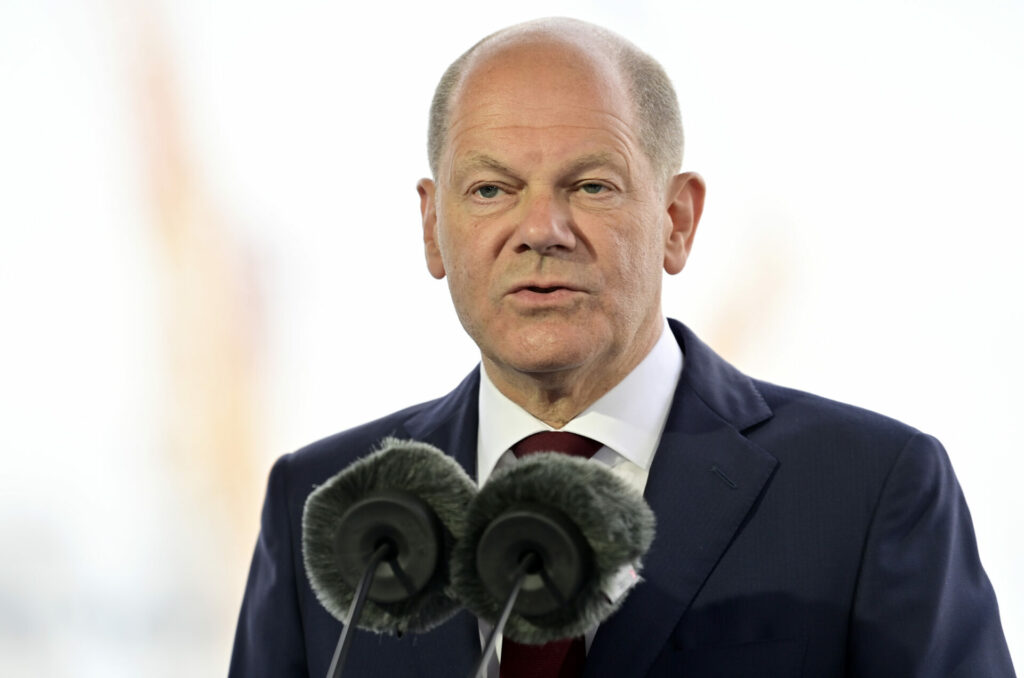
German's political parties have agreed on 23 February as the date for the country's early general elections, following the collapse of the government coalition last week.
The final decision on the election date must be made by German President Frank-Walter Steinmeier, according to the Christian democratic alliance, CDU/CSU, and reported by the German news agency DPA.
Last Wednesday, the German coalition government of Chancellor Olaf Scholz’s SPD, the Greens, and the liberal FDP collapsed. Scholz dismissed his Finance Minister, Christian Lindner of the FDP, over disagreements on the budget and economic policy, prompting the liberals to quit the government.
Initially, Scholz indicated that he would seek a confidence vote from the Bundestag on 15 January, pushing early elections to March. However, the opposition pressed for a quicker vote. Last week, Scholz had already signalled his willingness to negotiate the election date.
Scholz expressed readiness for a vote before Christmas if his own party leader from SPD, Rolf Mützenich, and the CDU/CSU leader, Friedrich Merz, reached an agreement. According to DPA, this was reached on Tuesday.
CDU General Secretary Carsten Linnemann had said earlier on Tuesday that federal elections would likely be held on 16 or 23 February and that a compromise was close.
"It is important to quickly provide clarity,” Linnemann said. "People are completely disoriented and don’t know where this country is heading."
"If the confidence vote occurs in December and the election date is set, everything will calm down, and we can begin the election campaign," he added.
