
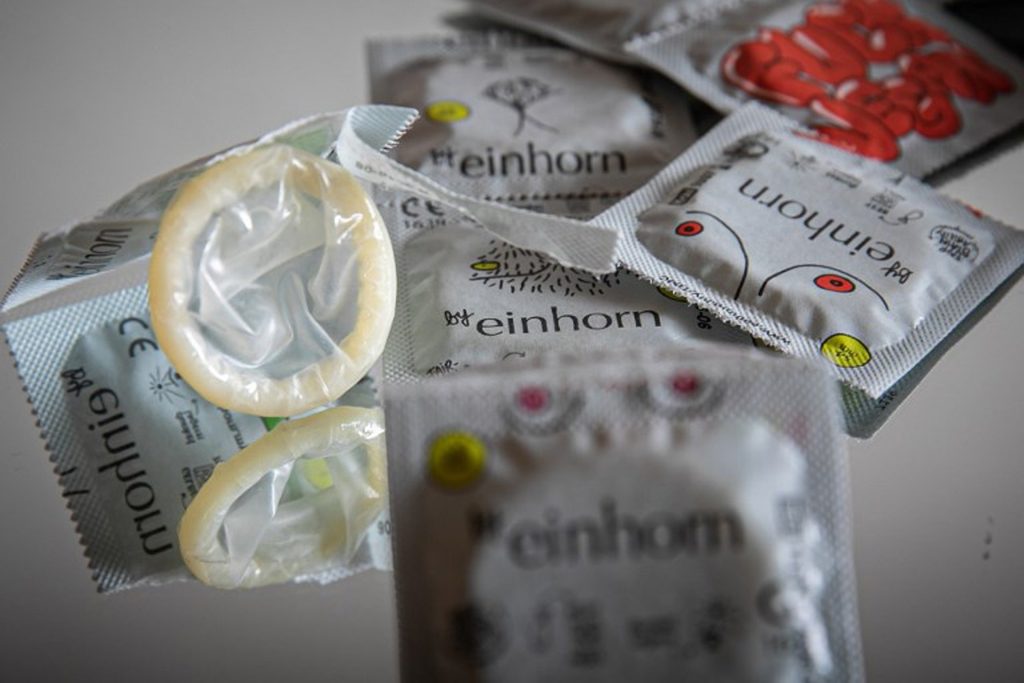
The rate of sexually transmitted infections (STIs) has shot up globally in the past three years, partly due to young people's disenchantment with condoms.
In a report published on Wednesday, Belgium's national health institute Sciensano noted that STI cases soared domestically and internationally in 2023. Apart from a dip during the Covid-19 pandemic, the rise has continued uninterrupted since 2020.
In Belgium, chlamydia remains the most common STI, with an estimated 218 diagnoses per 100,000 inhabitants in 2023. This marks an 8% increase since 2022 and a 24% increase since 2021.
The infection was previously mainly diagnosed among women, but cases among both genders were practically the same in 2023. A 41% rise in men between 2021 and 2023 was most prevalent among 20- to 34-year-olds.
Gonorrhoea has seen a sharp rise, with 147 diagnoses per 100,000 inhabitants, up 42% since 2022 and 90% since 2021. It was diagnosed five times more in men than in women last year, with a 100% increase in men and a 97% increase in women since 2021.
Syphilis is the least common of the top three STIs, with 73 diagnoses per 100,000 inhabitants: a 25% increase since 2022 and 17% since 2021. It continues to be the least reported STI and predominantly affects men.
Why the rise?
Sciensano attributes spiking rates to changing sexual behaviour, particularly among young people. This age group often have more than one sexual partner and use condoms less frequently.
The report highlighted a recent study which showed that 33% of participants who had had sexual intercourse in the last six months "sometimes" used a condom, 40% never did and 28% (almost) always did.
Inconsistent condom use was often due to a "negative attitude towards condoms."
"It is likely that young people had less access to sex and relationship education during the Covid-19 pandemic, due to confinement and distance learning," the report continued. "It is therefore important to provide correct information on sexual health and to raise awareness of the specific risks and prevention methods, paying particular attention to young people."
Sciensano expressed concern about the overall STI trend and noted a worrying increase in HIV cases in Belgium over the past three years, following a period of decline. It also reminds citizens that 'Mpox' (formerly called monkeypox) can be sexually transmitted.
