
The practice of gifting property, money and shares has risen by almost 20% in Belgium, figures from the Federation of Notaries (Fednot) showed. The average age at which people donate shows donors wait most of their life before taking action.
Notaries' offices recorded 35,645 donations in the first nine months of 2024, 18% more than in the same period in 2023. There were almost 25,000 gifts of real estate and some 11,000 donations of movable property. These gifts are often made as part of inheritance planning. Some people also donate for personal reasons.
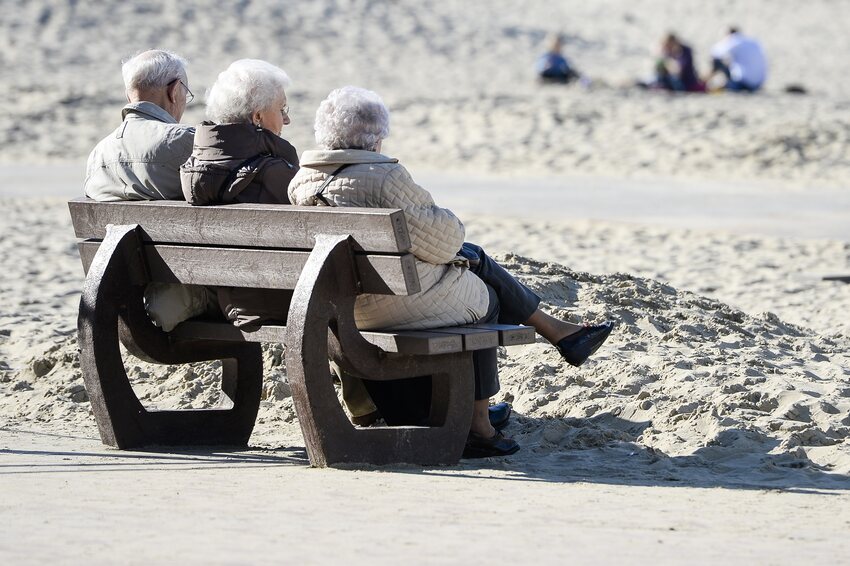
For the first time, Fednot examined the average age of each donor and recipient. Those donating cash or shares are on average 77 years old, while those donating real estate are on average 72. This indicates that a significant proportion of donors wait most of their life before taking action.
The average age of those who received a gift of movable property was just under 49 so far this year, while for property, the average age was 42.8. In Brussels, recipients of real estate (44.35 years) and movable property (38.95 years) were younger than the national average, while donors were on average half a year older than the national average.
Fednot also revealed large discrepancies in the number of gifts made per region. The majority of donations were made in Flanders, with around 68% of real estate donations and 65% of movable property donations.
"Flemish people are more proactive in arranging their inheritance," said notary and Notaris.be spokesperson, Helena Verwimp. "The number of wills, inheritance agreements and adjustments to marriage contracts is also higher in Flanders compared to other regions."
Influenced by rules
Across Belgium, people can either register a gift and pay a gift tax, or choose not to declare it, in which case a so-called 'suspicious period' applies. If the donor dies within a certain number of years, recipients will have to pay (more expensive) inheritance tax to pay for the donation.
Rules on gifting vary per region. In Wallonia, no tax has to be paid unless the donor dies within five years of offering the gift.
In Flanders, this period is currently three years. However, this will be extended to five years from 1 January 2025. The aim is for more people to register their donation and therefore pay tax on it. Even though this rule has not yet come into force, Verwimp said the rise in gifts linked to this change.
In the Brussels region, the period is limited to three years. However, people don't have to pay inheritance tax, regardless of whether the donor dies within three years of the gift. This explains the low number of gifts in the region (around 1,000 property donations and 1,850 gifts of movable property).
Related News
- One in three Brussels landlords considering selling up
- 'Not seeing wood for trees': New website helps people deal with red tape after a death
The gift tax paid by the person donating again depends on the region. Usually, people can expect to pay 3.3% for gifts that are given between spouses and between legal cohabitants, and 5.5% for gifts for all other people. Gift taxes in Flanders and Brussels are 3% for gifts to direct relatives and 7% for gifts for all other people.
Verwimp stressed that whether or not gifting is advisable differs from case to case. "Gifting without a financial buffer is not a good idea," she said. For example, people donating their home must ensure that they still have sufficient funds to pay for medical expenses or stay in a retirement home later in their lives.
