
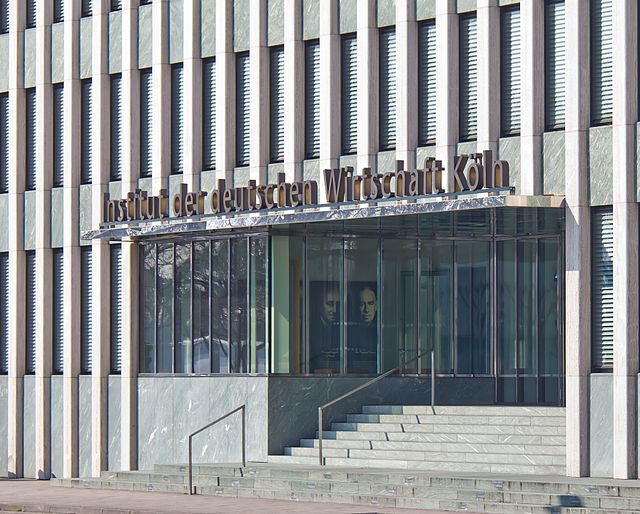
A growing number of sectors in the German economy, including the chemicals and automotive industries, are forecasting job cuts in 2025, a sign of the transformation of the labour market in a difficult economic climate, the German Economic Institute, IW, reported on Friday.
According to a survey of 49 organisations conducted by IW between late November and early December, the number of employers' federations forecasting reduced employment over the next twelve months will rise to 25 in 2025, compared to 23 that were pessimistic about employment in 2024 and 16 in 2023.
This survey suggests "a structural change in the German labour market as a result of economic and cyclical adjustments, confirming the outlook for falling employment in 2025," notes IW.
This negative employment outlook affects, in no particular order, the value chain linked to construction - including real estate - machine tools, the automotive industry and its subcontractors, steel and metalworking, agriculture, plastics processing and tourism.
In the automotive sector, announcements of redundancy plans have multiplied in recent months, and other sectors are also struggling, claiming to be penalised by high energy, materials and labour costs and excessive bureaucracy.
Steelmaker Georgsmarienhütte, in the west of the country, is using short-time working to alleviate the long-term crisis in the sector but fears mass redundancies.
In previous surveys, companies tended to want to maintain their workforce despite the anticipated drop in production, due to staff shortages. However, this retention effect diminished sharply in 2024, notes IW.
At the end of 2024, seven sectors, including pharmaceuticals, aerospace, energy, water and recycling, said they wanted to hire more, according to the institute.
