
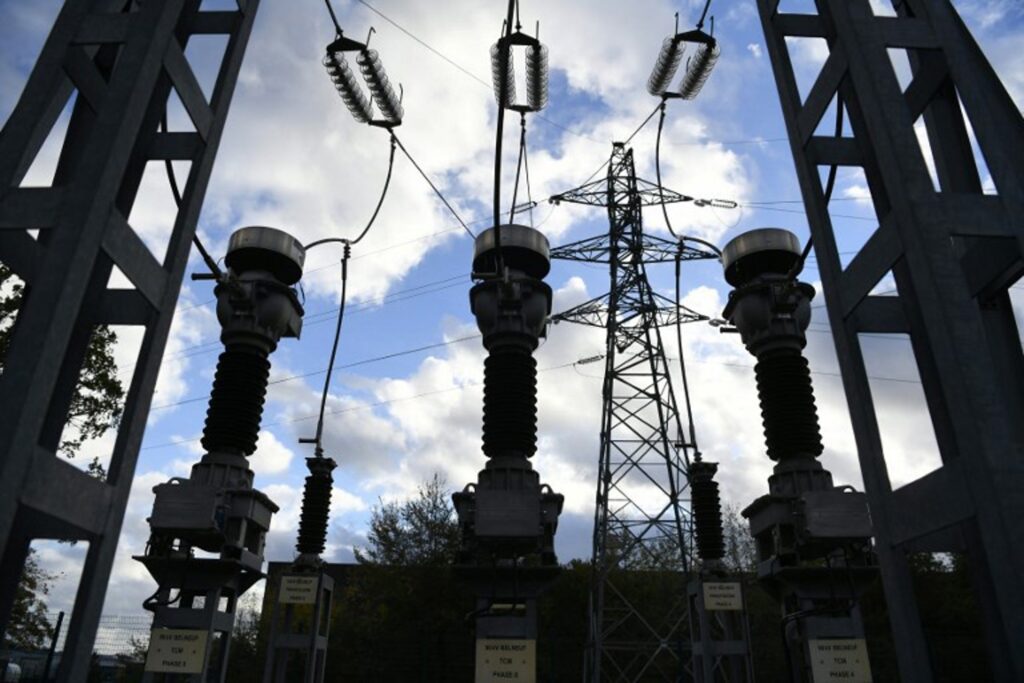
Belgium imported a large amount of electricity from France last year, not because of shortages but for cheaper electricity, according to data from grid operator Elia.
The country's total electricity consumption in 2024 was 80.5 TWh, slightly more than the 78.9 TWh in 2023 but still below the five-year average from 2017-2021.
Nearly 87% of this electricity was produced domestically. The remaining 13.2% was imported, predominantly from France. Belgium imported a net 12.6 TWh due to the high availability from French nuclear power plants.
For the second consecutive year, Belgium was a net importer of electricity. Two years ago, when French nuclear plants had technical issues, the country exported more electricity than it imported.
The vast import of French nuclear electricity mainly affected Belgium's gas-generated power. Electricity from gas power plants dropped to a historic low in 2024, as reported by Elia.
Nuclear decrease
"Lower electricity prices in France drive more imports and push Belgian gas production out of the market. Other factors include still high gas prices, increasing renewable production, and slow electricity consumption growth," stated the grid operator.
Gas accounted for 17.6% of Belgium’s electricity generation in 2024, compared to over a quarter in 2023.
Nuclear power constituted 42.2% of production in 2024. With the closure of Doel 1 and 2 and Tihange 1 this year, this share is expected to decrease significantly.
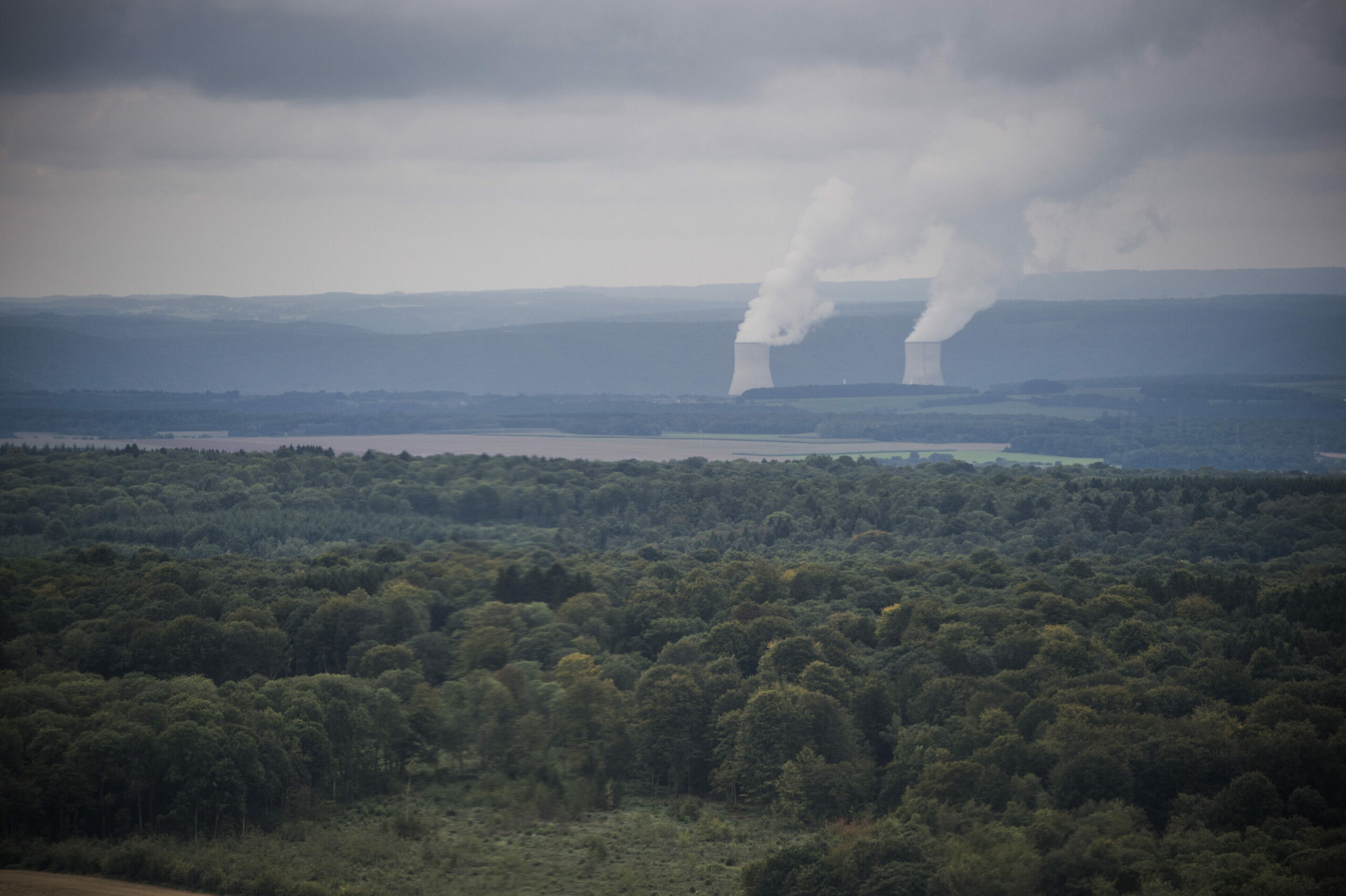
Chooz nuclear power plant in France, seen from over the Belgian border in 2015. Credit: Belga
The share of renewable energy, generated by sun and wind, in Belgium’s energy mix increased from 28.2% to 29.8 percent. The total production was 20.8 TWh, slightly less than the 21.5 TWh in 2023, which had exceptionally favourable conditions for wind energy production.
Notably, electricity generated by solar panels increased, with capacity rising by 23%, bringing total production to 8.3 TWh—almost 16 percent more than in 2023, setting an absolute record.
Elia’s data also revealed that the average price of electricity fell by 28 percent in 2024, to just under €70 per MWh.
Although still higher than before the energy crisis, it is four times lower than in 2022, during the peak of the crisis. Negative prices occurred nearly 5% of the time, especially on sunny and windy days with low consumption, such as during the holiday period.
