
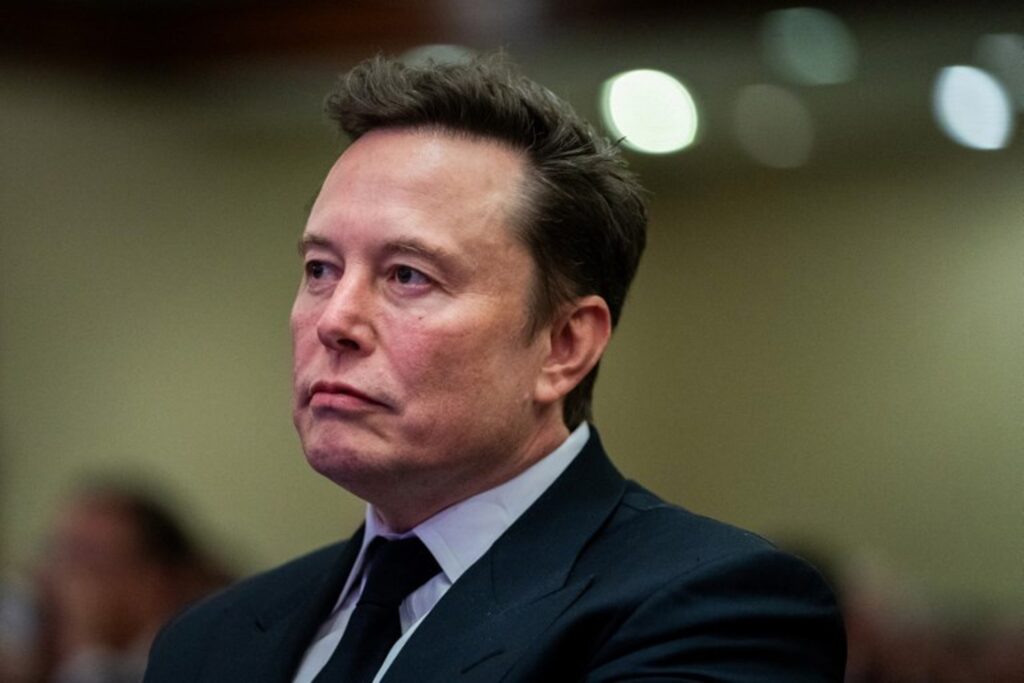
South African tech giant Elon Musk is hosting a livestream conversation on X with the leader of the German far-right party AfD on Thursday, ahead of the country's snap elections in February. Why is the world's richest man interfering in European politics?
From weighing in on Nigel Farage's ability to lead right-wing populist party Reform UK, to reports of communication service deals with Italy, the soon-to-be unofficial member of US President-elect Donald Trump's second administration has made headlines with his takes on European politics.
The latest announcement of the livestream with AfD's Alice Weidel has fuelled growing concerns over foreign actors interfering in European democracies.
While the conversation itself is allowed under the right to freedom of speech, the European Commission has asserted it will monitor the extent to which it complies with its Digital Service Act (DSA). The Act aims to ensure large online platforms do not pose a risk to civic discourse and electoral processes.
Nonetheless, Musk's intentions and future influence in European politics are a point of discussion not only in the media but also among experts.
Not just strategy
The tech tycoon's trip into European politics could in part be about strategy and influence, according to VUB professor and politics and journalism expert Ike Picone. "[Musk] is first and foremost interested in securing his assets, like many other tech billionaires."
Picone believes that siding with right-wing parties, which support fewer regulations and monitoring of online platforms, is beneficial for Musk. "Big tech companies have said that Europe has been stifling innovation for decades. Regulations must therefore be avoided."
Peter van Aelst, a media and politics professor at the University of Antwerp, shares this view and believes Musk is trying to increase his influence.
Both agree that the billionaire's actions also likely stem from ideological beliefs. "There is something there that he strongly believes [...] he is not subtly pushing some right-wing discourse. It's like he's in the front row, screaming the most extreme ideas and supporting the most extreme people," van Aelst said. "If it was purely strategic, he would do it differently."
Warning Signs
On Tuesday, French President Emmanuel Macron said that ten years ago no one could have imagined that the owner of one of the world's largest social networks would be "intervening directly in elections".
But media owners meddling in electoral processes in Europe is not necessarily new, the researchers say. An example is Australian-American media mogul Rupert Murdoch. "There was this running joke that if you wanted to become Prime Minister of the UK, you had to pass through Murdoch. If he endorsed you, you would win," said Picone.
While there were previous "warnings" about the role of social media platforms, their power and influence on politics have only recently been revealed. "It slowly became clear that algorithms make selections and can also be political."
Van Aelst also draws the Murdoch comparison, but sees Musk's behaviour and outspokenness as a point of difference. "You could say he's some sort of Murdoch on speed," said van Aelst. "Murdoch used some of his newspapers to have his political influence [...], but it was much more indirect [...] Musk bought himself a megaphone via X."
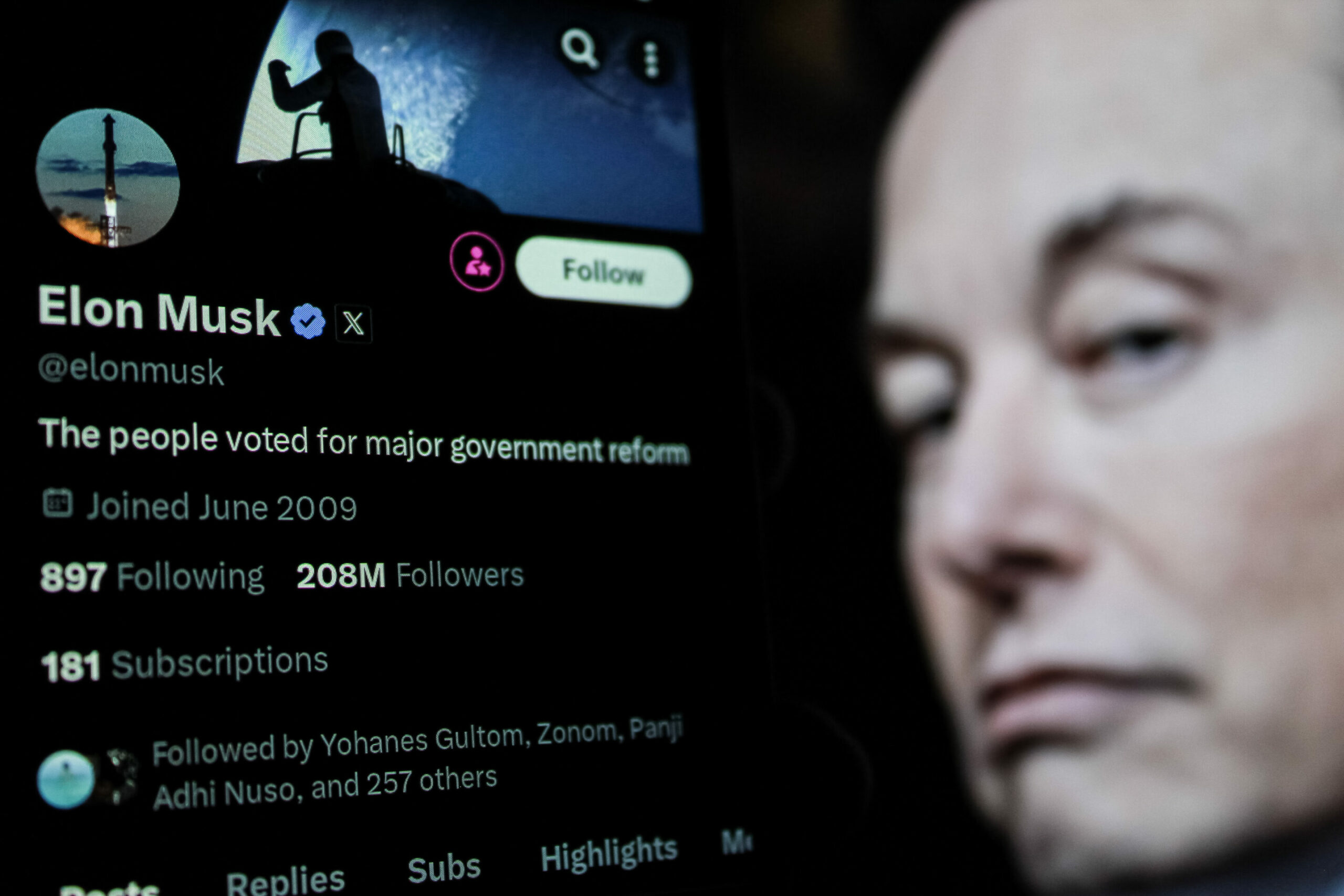
'The people voted for major government reform', Elon Musk's X profile bio reads, 20 December 2024. Credit: Belga
Is Europe ready?
How the Commission will monitor the X livestream remains unclear. When approached by The Brussels Times, the EU executive did not provide concrete details on its monitoring plans.
Nonetheless, during Monday's press briefing, a Commission spokesperson explained that "systemic risks" may pose a problem. This includes the "boosting" or promoting of the livestream.
The role of algorithms in promoting content has been central in discussions of the impact of online platforms. However, both Picone and van Aelst believe there is not sufficient access to information on how the platforms' algorithms operate.
Additionally, the speed at which technology develops can complicate legislation implementation. "The intrinsic issue with technology and regulation is that it's bound to run behind. But that shouldn't be a reason not to have it," said Picone.
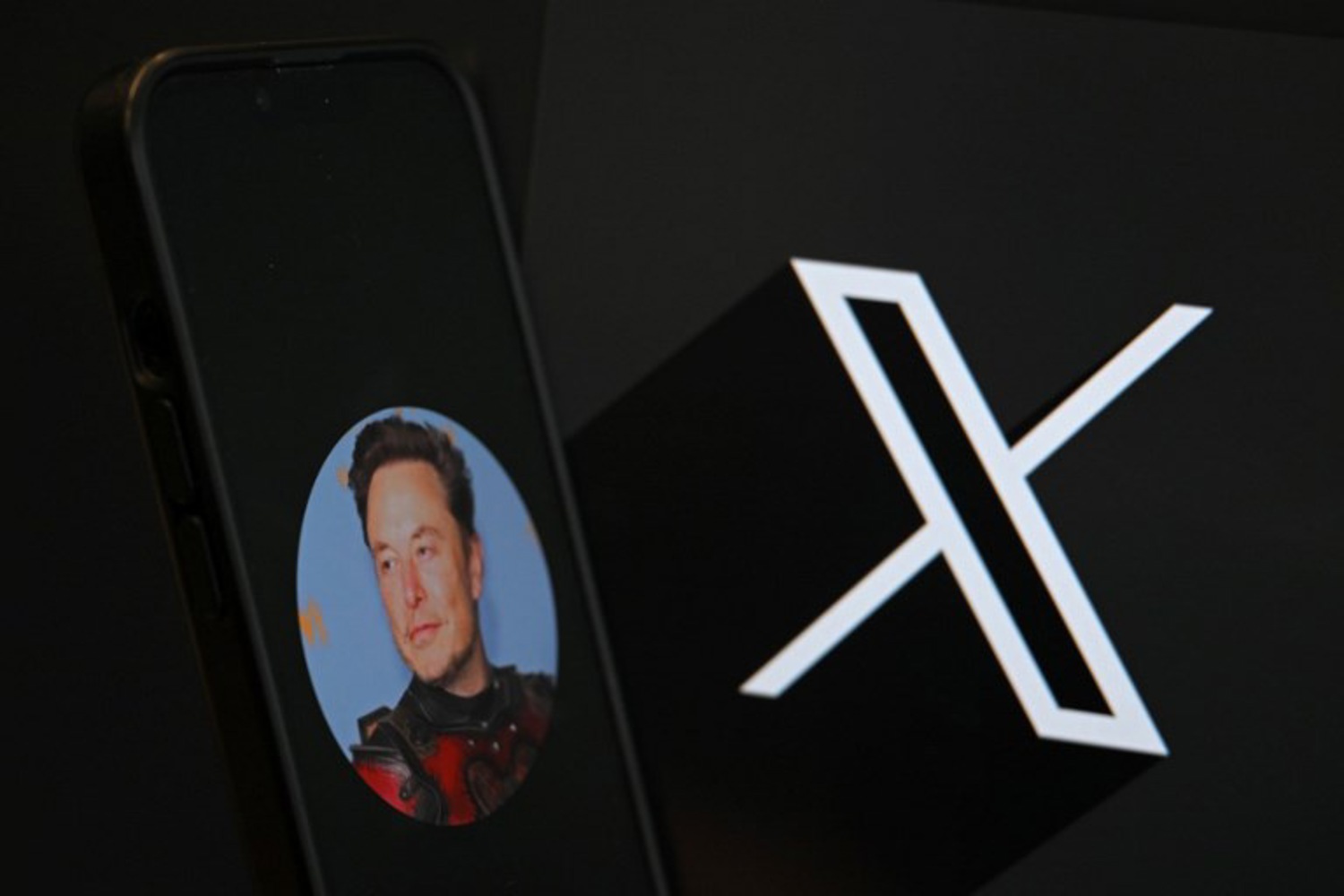
Credit: Belga / Nicolas Tucat / AFP
Views vary across Europe on how to deal with platform regulation. "We talk about the EU like it is a single actor. But Europe is a house with many different [opinions]. The extreme right has its own, and they will look at this debate very differently," van Aelst said.
Regardless, Picone remains optimistic that existing regulations could address any potential issues which could arise from Musk's involvement in European politics. "The DSA is a solid foundation and a good start to hold these companies accountable," said Picone. "But we will have to see whether it's enough."
