
Russian liquefied natural gas (LNG) imports to Europe rose by 19.3% last year, with Belgian company Fluxys' terminals being the central hub, according to De Standaard, citing a report from several environmental organisations including Bond Beter Leefmilieu.
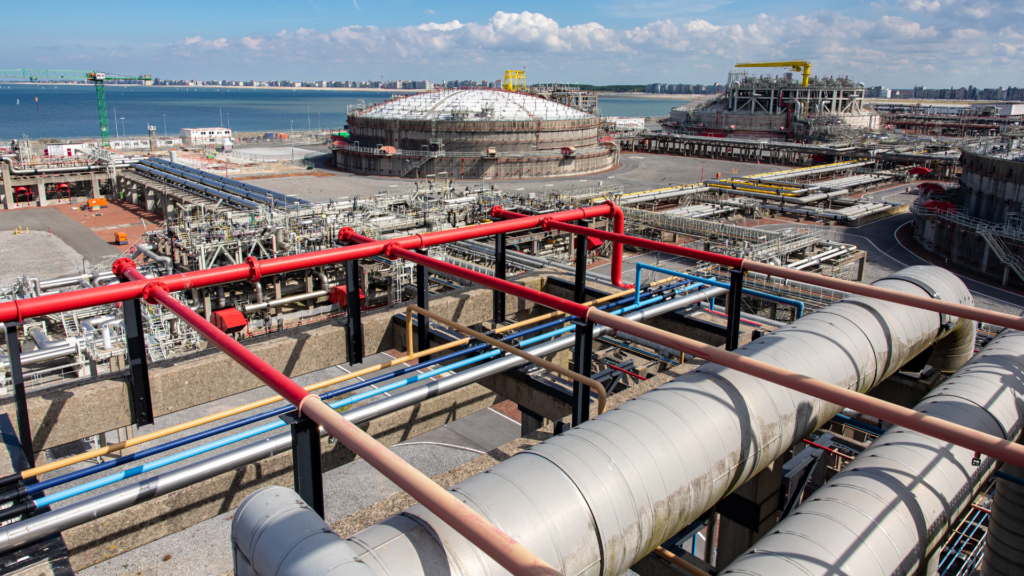
The ports of Zeebrugge and Dunkirk are crucial for transporting Russian gas. Upon arrival from northern Russia, the LNG is converted into common gas and distributed across Europe via pipelines. Zeebrugge can also store LNG, which is then sent to Russian gas companies' Chinese clients.
"Russian LNG flow to the EU rose by 9% in 2024 compared to the previous year. LNG imports for EU consumption (excluding transshipment, such as at Zeebrugge) increased by 19.3%," stated Bond Beter Leefmilieu and German environmental organisation Umwelthilfe. Their analysis is based on data from Kpler, a specialised analysis platform, and German and Belgian administrations.
Russia is the second-largest LNG importer to Europe after the United States. Nearly half of this fossil energy enters Europe through the ports of Zeebrugge and Dunkirk.
The organisations call for thorough tracking of all gas volumes, from their origin to the consuming EU Member State. However, in a statement to De Standaard, Fluxys insists that such information cannot be disclosed due to client confidentiality.
