
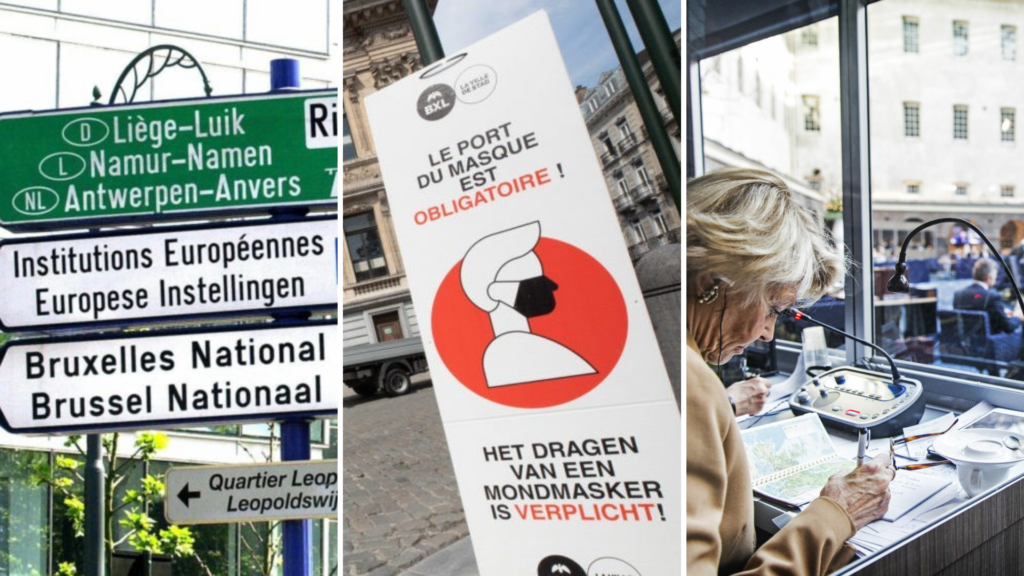
In a continent with such a diversity of languages concentrated in a relatively compact space, communication itself is an ever-fascinating talking point that touches everyone.
And Brussels is the crucible of this linguistic mélange, not only as the beating heart of EU affairs which are conducted in the languages of all the 27 Member States (and others besides), but also as the axis around which Belgium's language communities turn. The country makes an enormous effort to ensure parity between the French and Dutch -speaking populations, going to great lengths to balance power between the two – even if this comes at the expense of a functioning government, as is the case in Brussels currently.
As Europe grows more connected and movement across the continent is simplified, people disperse, dialects evolve, and tongues are twisted. Keeping track of who speaks what and where presents a significant exercise in research and data mapping. But that's just what has been done with the launch of a website that gives country-specific insights into language use across Europe.
In Belgium, the findings highlight the uptake of English, which is now the most-spoken language among 15-34 year-olds. Despite not being an official language, English is effectively the bridge that unites young Belgians at a time when French learning in Flanders or Dutch in Wallonia is still insufficient for them to be at ease in each others' mother tongue.
The dominance of English is especially noteworthy when we see that for the 35-54 age group, French is far more widespread with 72.8% the most-spoken language, ahead of Dutch (52.6%) and English (51.8%). Essentially, the generational language "jumps" are very strong in Belgium, which the researchers behind the tool assume to be a result of social media increasing exposure to English.
All of which poses questions about the future of languages across the continent: Which languages will disappear? What will be the essential languages of tomorrow? Will Belgium relax its language laws to promote social integration?
Belgium in Brief is a free daily roundup of the top stories to get you through your coffee break conversations. To receive it straight to your inbox every day, sign up below:
1. English now most widely-spoken language among young Belgians
Belgium is the only country in Europe where the most spoken language among its youth is not (one of) its official language(s). Read more.
2. A gold rush for the top media spot in Brussels
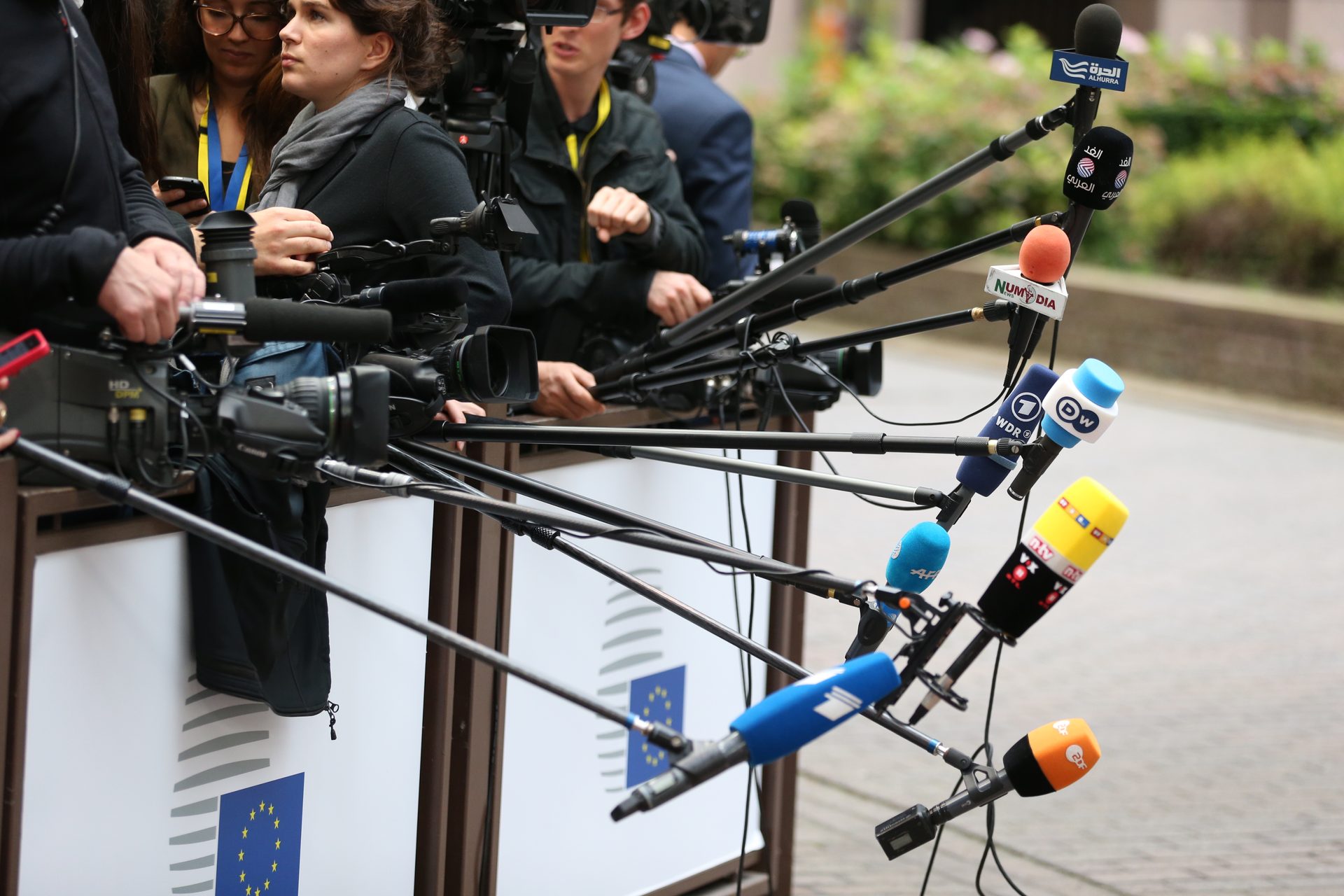
Today's Brussels media landscape is like when pioneers and opportunists risked their lives to get to the gold-rich rivers of California, writes Javier Espinoza. Read more.
3. Don’t build more houses, save Brussels industry – Belgian trade union
"We don't want to pit the two against each other but we do want to preserve existing industrial sites for industrial use." Read more.
4. Brussels formation: PS emergency government proposal deemed ‘inadmissible’
The French-speaking socialists have proposed to appoint the region's minister-president by a secret ballot to get out of the current impasse. Read more.
5. Belgian photographer behind First Lady’s portrait
The portrait is a significant departure from the First Lady's official portrait in 2017 – also taken by the Belgian photographer. Read more.
6. University students and staff reiterate demand for a boycott of Israeli academic institutions
Students, academics stage protest in Brussels to press demands for a boycott of Israeli academic institutions. Read more.
7. How to find a cleaner in Brussels
Slightly out of character for Brussels, the process of finding someone to clean your house is relatively simple – if you know how to go about it. Read more.
