
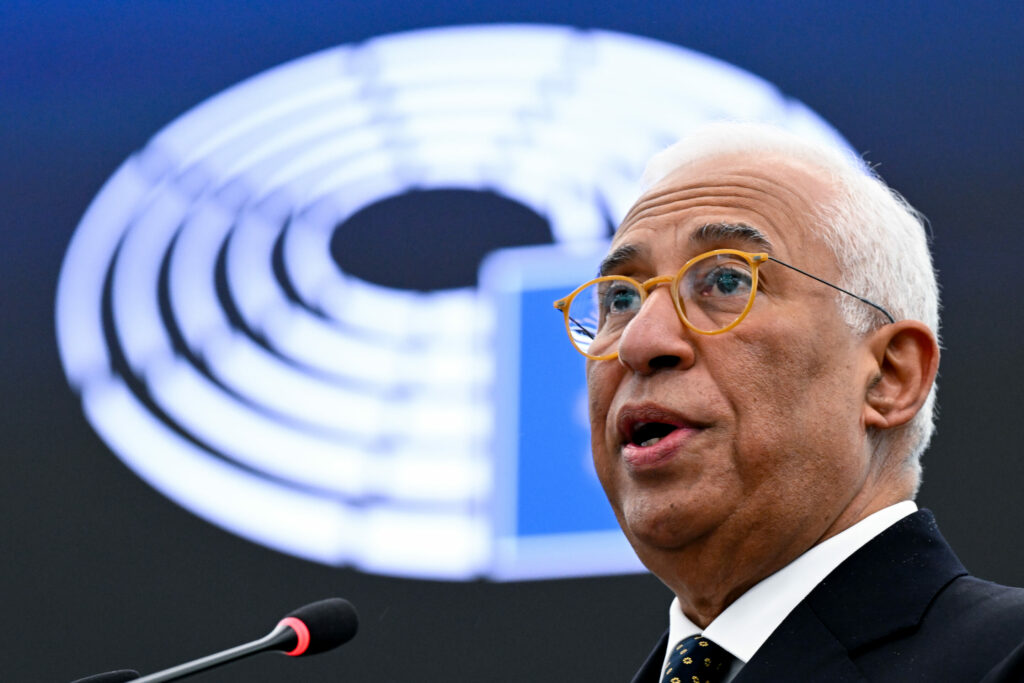
US President Donald Trump’s decision to sanction the International Criminal Court (ICC) “threatens” its "independence," warned European Council President António Costa on Friday on social media.
"Sanctioning the ICC threatens the independence of the Court and undermines the entire system of international justice," stated Costa, who leads the body representing the leaders of the 27 EU Member States.
The European Union expressed its regret over the American decision and stated that it may consider taking measures in response, according to an EU spokesperson, who did not specify what those measures might be.
The ICC "plays a crucial role in upholding international criminal justice and combating impunity," including in Ukraine, the spokesperson added.
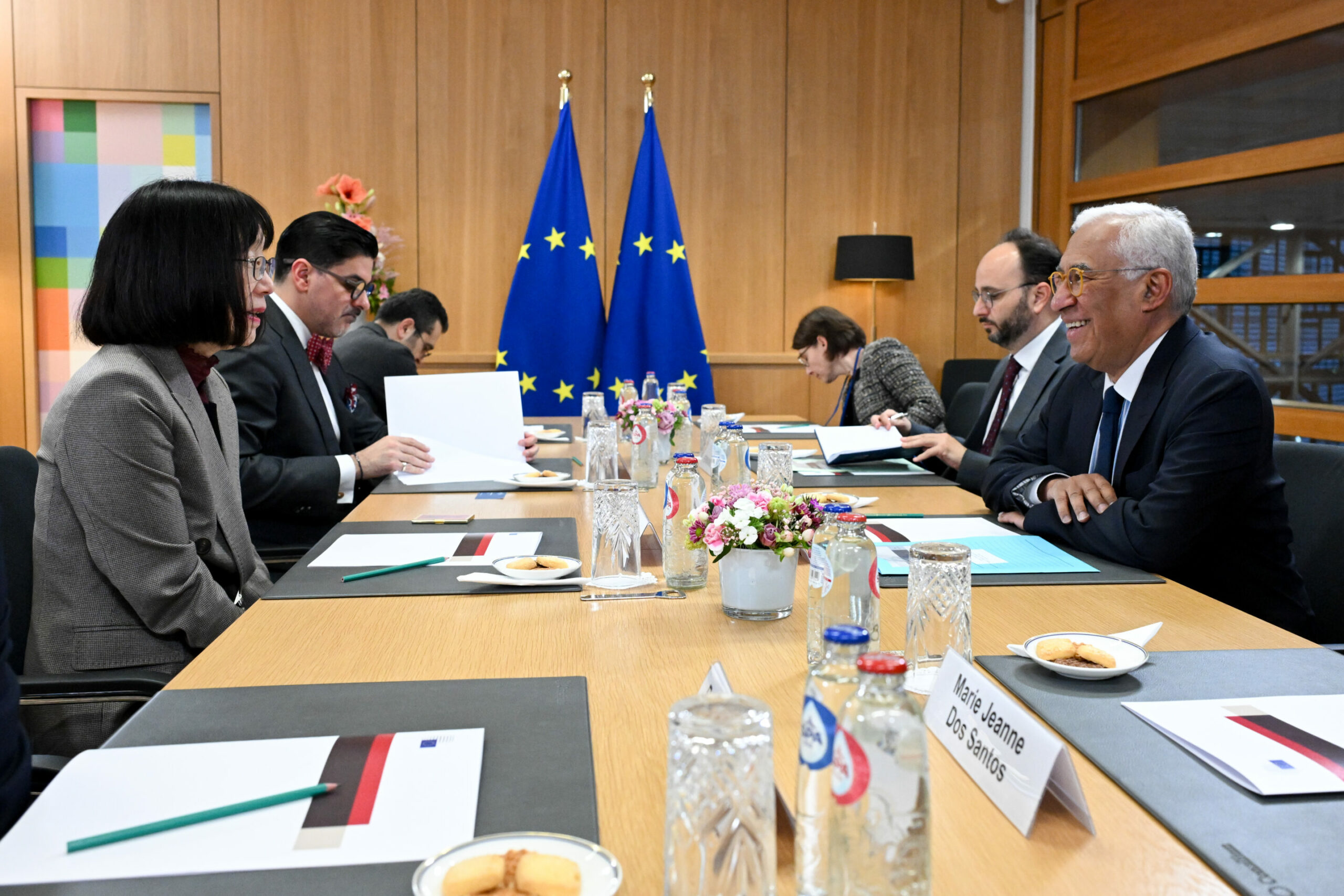
António Costa, President of the European Council, meets Tomoko Akane, President of the International Criminal Court (ICC), on 6 February 2025 in Brussels. Credit: EU
In a meeting on Thursday in Brussels with the ICC’s President Tomoko Akane, Costa reiterated the "essential role" of the international court in "delivering justice to victims of some of the world’s most horrific crimes," he said in a message on X.
President Trump signed an executive order on Thursday imposing sanctions on the ICC, accusing it of "taking illegitimate and baseless actions against America and our close ally Israel."
The order, released by the White House, bans ICC officials, employees, and agents, as well as their immediate family members and anyone believed to have assisted the ICC’s investigations, from entering the United States.
In response, the International Criminal Court (ICC) condemned US President Donald Trump's decision to impose sanctions and vowed to continue delivering global justice.
"The ICC condemns the publication by the United States of an executive order aimed at imposing sanctions on its staff and undermining its independent and impartial judicial work," the ICC said in a statement.
"We call on our 125 member states, civil society, and all nations worldwide to unite for justice and fundamental human rights."
