
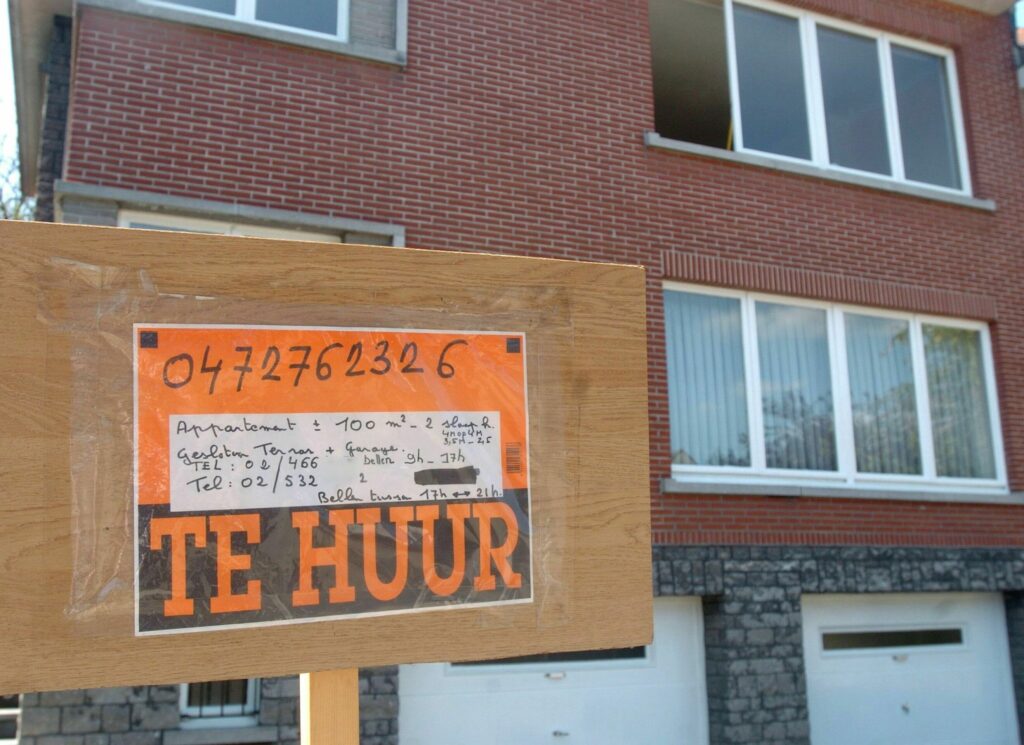
Navigating the competitive Brussels rental market can be challenging, with scams rife and tricky landlords commonplace. The Brussels Times has created a guide to ease the process.
In the capital region, the Brussels Housing Code (Code bruxellois du Logement / Brusselse Huisvestingscode) has defined the rules for renting out property since 2018.
On 5 April 2024, the outgoing Brussels Government decided to amend the Brussels Housing Code to ensure greater security for tenants and fight illegal evictions. The changes came into force on 1 November. These include rules on deposits, pets, evictions, rent increases, fire and water damage, protection against landlords, and family rent reduction.
From knowing your rights to avoiding scams, find all you need to know below.
1. Read your contract carefully before signing
Before you sign on the dotted line, consider certain essential elements: the length of lease, inventory check, rental deposit (more on this below), notice to leave and maintenance and repairs.
The contract must be signed in one of Brussels’ official languages (French or Dutch). There are three types of rental agreement: very short-term contract (less than six months), short-term (up to three years) and long-term (three to nine years).
As a tenant, you may terminate your lease early depending on your contract. However, you will have to pay compensation to leave a long-term or short-term contract early (e.g. three months’ rent if you leave during the first year of a long-term lease). It is not possible to leave a very short lease early.
Credit: Wikimedia
As per the new rules short-term leases can now only be renewed once with the same tenant. If both the landlord and tenant decide to renew the lease again, the contract converts to a nine-year term, counting from the date on which the original short-term lease took effect, at the end of the first extension (or after the second year).
A landlord must give short-term tenants three months' notice before the end of renewal to avoid converting the lease into a long-term lease. Landlords now face heavy penalties for "illegally evicting" tenants.
2. Avoid scams
The Belgian capital's rental market is highly competitive. People are desperate to find accommodation and scammers routinely set up fake profiles to lure them in.
To avoid scams, always check a person's profile before sending a message, ask to call before viewing a property, and never transfer money before signing a contract.
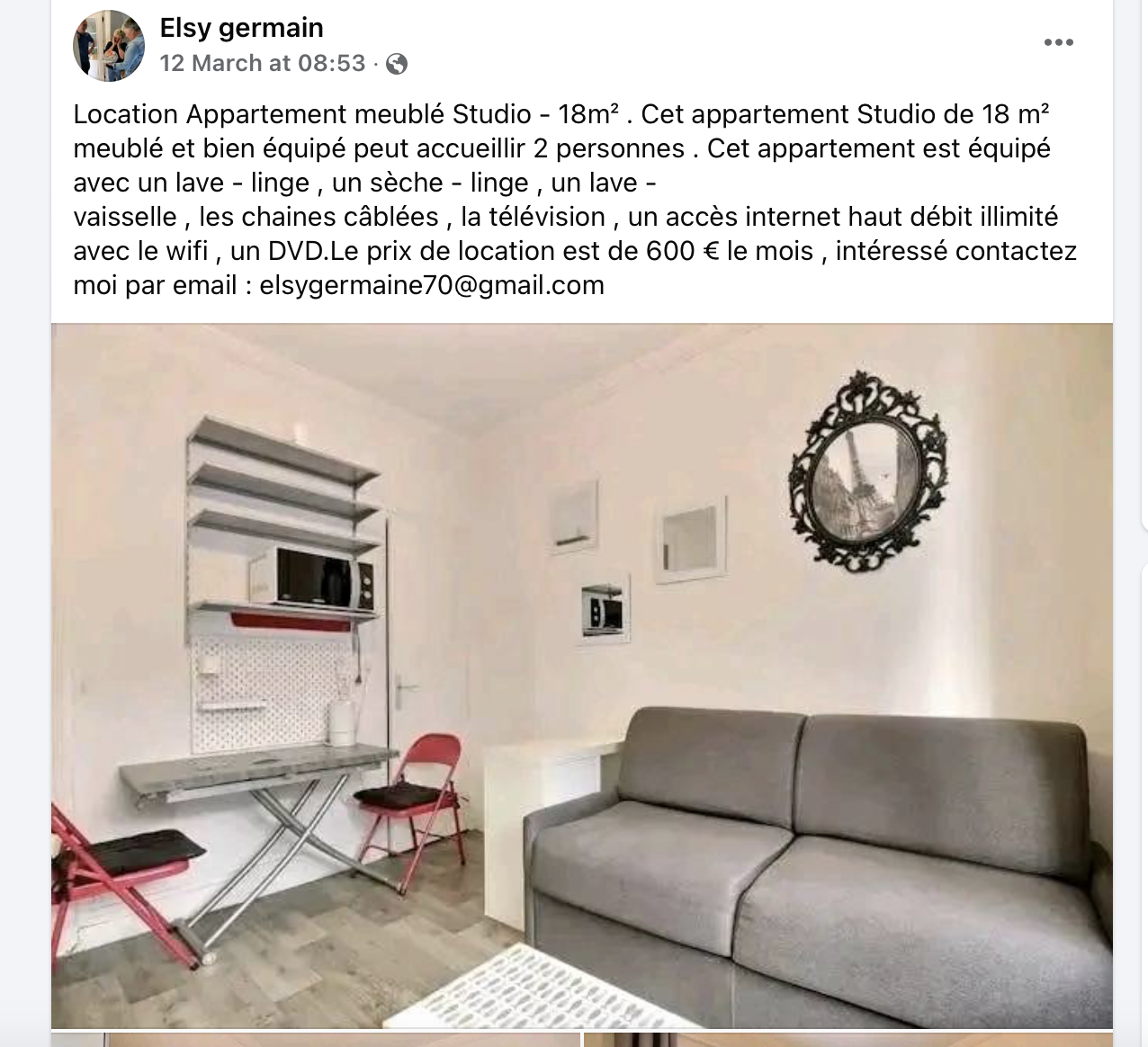
Example of a Facebook scam. Telltale signs include strange formatting, cheap rent, fake profile and email address.
In Brussels, starting prices range from €400/month for a small studio or room in a flatshare to €1000/month for a one-bed apartment. If the price is too good to be true, it probably is.
Report all suspected instances of scams and fraud to the Federal Police through their online form.
3. Don't pay a deposit of more than two months' rent or in cash
As per the new rules in the Housing Code, the rental deposit – a sum of money which indemnifies the landlord if his property is damaged – can no longer exceed two months' rent (excluding bills).
Previously, some landlords in Brussels would demand a deposit worth three months' rent, which was difficult to pay for many tenants. However, this can no longer be done.
Landlord can also no longer request deposits in cash. If a tenant does pay in cash, the landlord must deposit it in an designated and separate account.
The deposit must be repaid a maximum of two months after tenants have left the property, unless there is a dispute. Failure to do so will result in the landlord having to pay the tenant a penalty worth 10% of the deposit. This will be multiplied by the number of months of delay.
4. Want to live with a pet? Go ahead
Landlords can no longer refuse tenants with a dog or cat. However, a lease can stipulate that only an “acceptable” number of pets is allowed and that they cause no nuisance and are not aggressive. Landlords can intervene if they receive complaints from neighbours about this.

People walking their dog as the temperatures reach 24°C in Brussels, Friday 25 May 2012. Credit: Belga / Nicolas Maeterlinck
5. Register at the commune
EU/EEA/Swiss nationals living in Belgium for more than three months must register their primary residence at the local commune to obtain a residency card. Non-EU citizens moving to one of Brussels’ communes must register within eight days of arrival.
Many landlords in Brussels previously did not allow tenants to register at the local commune for tax reasons. However, according to the new rules, they are no longer allowed to do this and every tenant is entitled to register their address.
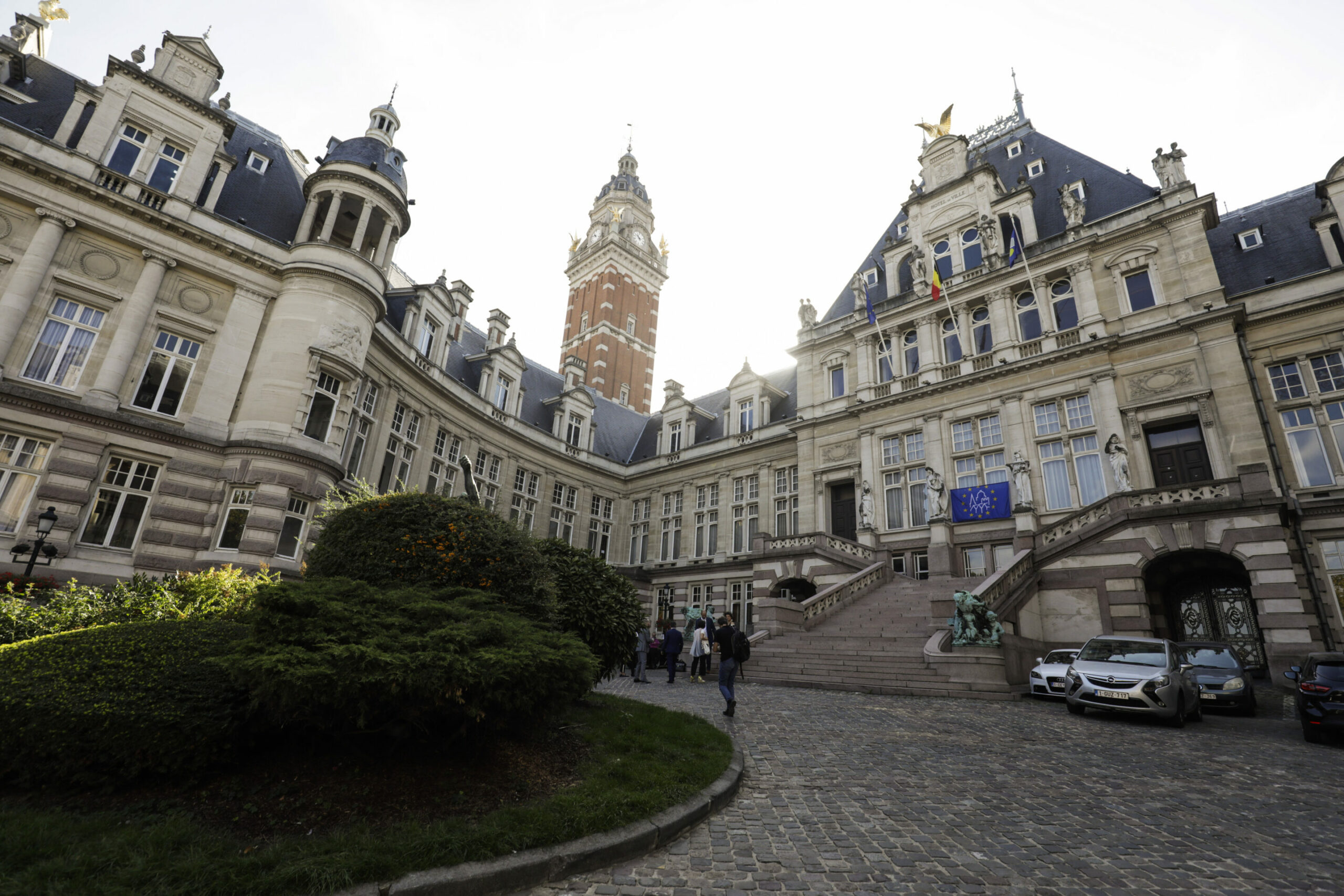
Saint-Gilles town hall. Credit: Belga / Thierry Roge
6. Beware of landlords raising the rent
Before the new rules, landlords often disproportionately raised the rent. The Walloon Campaign for the Right to Housing (RWDH) said in June 2024 that “many landlords are unaware of the calculation methods, and may therefore apply a higher, illegal increase.”
However, Brussels landlords who let properties on short-term leases (less than three years) can no longer raise the rent on top of indexation.
This rule applies both in cases of early termination or at the lease’s expiry. If a landlord does want to increase the rent, they must present the tenant with a long-term lease (nine years). This will give tenants more security.
To ensure compliance, landlords must state the rent paid by the previous tenant. Failure to do so could lead to a fine of up to €200.
Rent may, however, be increased after renovation works that improve the property's energy performance – provided that the rent increase is proportional to the costs incurred and the energy savings for the tenant.
7. Protect yourself against slumlords
As a tenant, it is a crucial to protect yourself against landlords who rent out poorly maintained or unhygienic properties. A landlord can no longer terminate the lease if a tenant complains to the Housing Inspectorate.
If the commune has to relocate the residents of a non-compliant property due to its poor condition, the tenant can recover the costs incurred from the landlord.
Landlords of properties that do not meet the safety, health and equipment requirements will be penalised.
Related News
- From contracts to termination: What are your rights as a renter in Brussels?
- One in three Brussels landlords considering selling up
- 'Do not touch my rent': Brussels introduces new rent indexation tool
8. Take out insurance
Tenants are liable for fire and water damage, unless they can prove that the damage occurred through no fault of their own.
Tenants must therefore now take out insurance against fire and water damage before moving into a property. They must provide proof of payment of premiums each year, unless otherwise agreed by the parties.
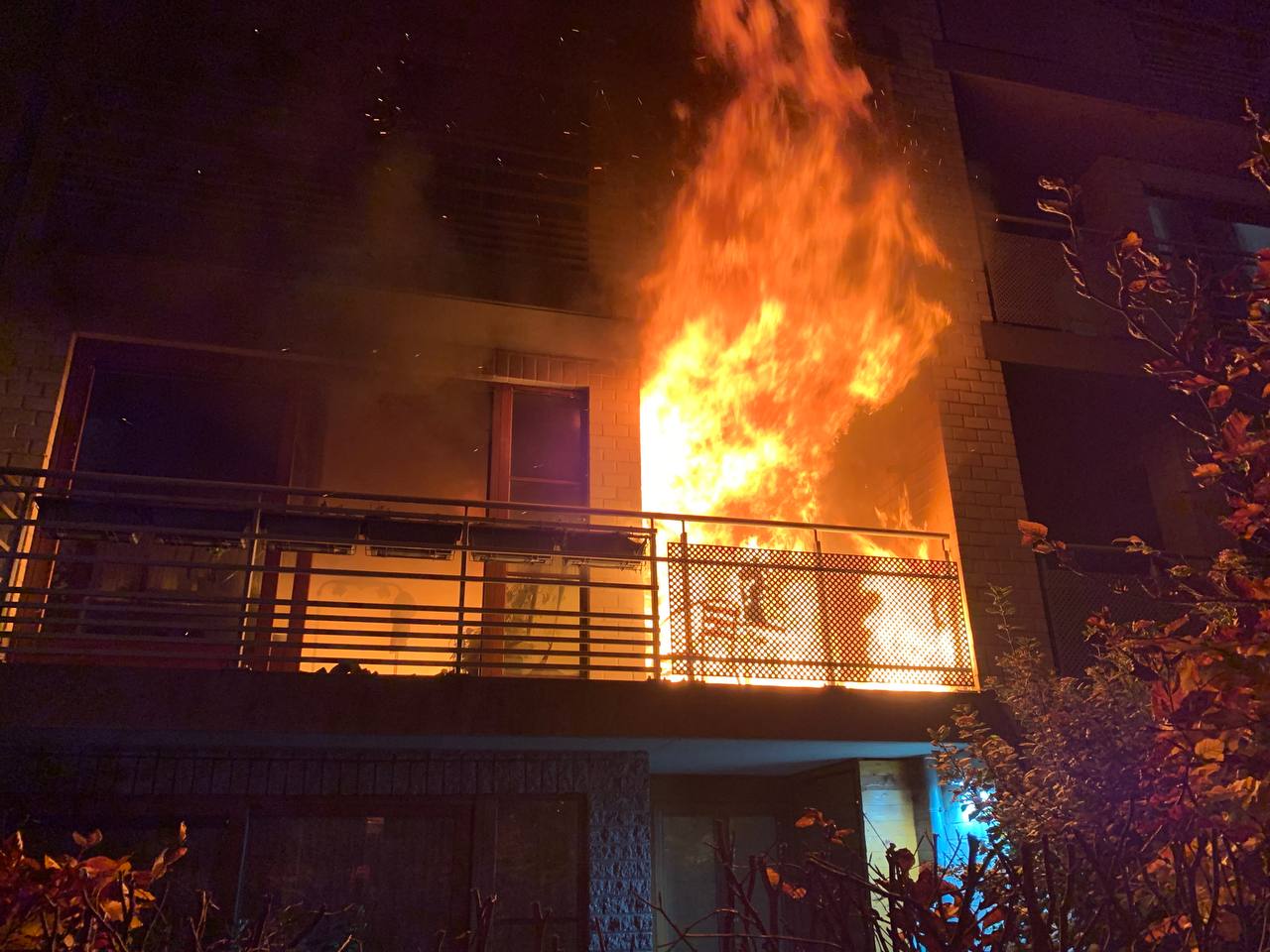
Credit: Brussels Fire Brigade
9. Don't pay for major repairs
The landlord is responsible for carrying out all major repairs due to natural wear and force majeure (events beyond the control of either party), such as roof repairs, are the landlord's responsibility.
However, the tenant must repair any damage that they cause, and carry out ongoing maintenance and repairs such as replacing lightbulbs, descaling taps, servicing heater, etc.
10. Want to sublet? Ask your landlord
In Belgium, tenants can legally sublet their room/apartment provided they have the landlord's consent.
The primary tenant must send the draft subletting agreement (including all identifying information about the subtenant) to the landlord by registered mail at least 15 days before it is signed. The tenant must inform the subtenant that they are bound by a principal lease.
If the landlord terminates the principal lease, the primary tenant must notify the subtenant within 15 days of receiving the notice, indicating that the sublet will end on the same date as the principal lease.
