
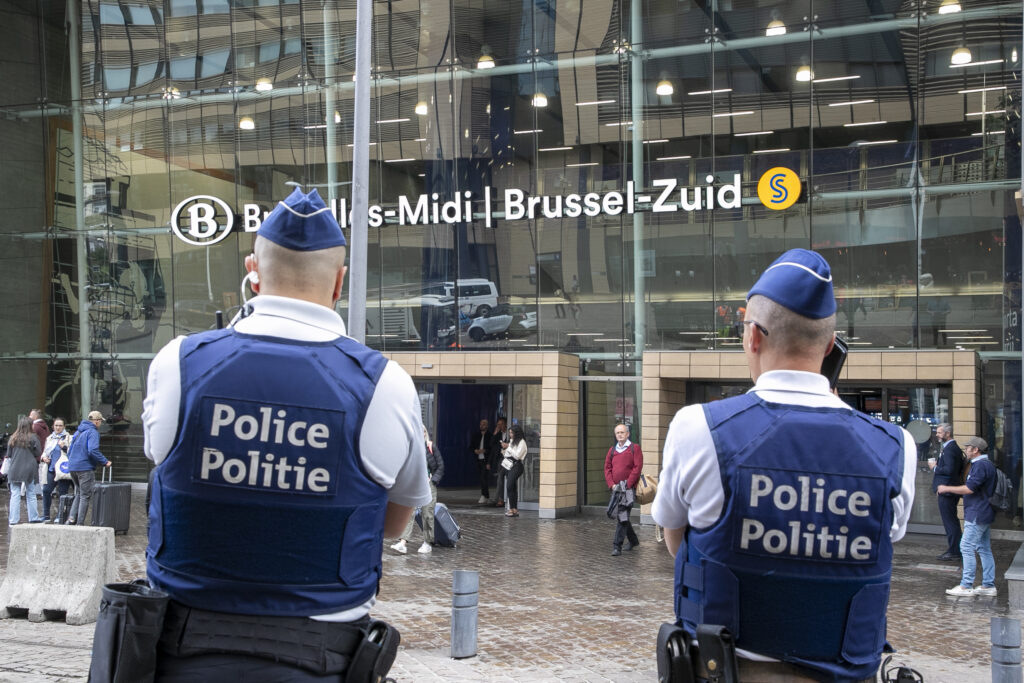
Several frontline police officers from various Brussels zones have expressed conditional support for the merger of the city’s six police zones, provided it comes with a reform of the KUL framework that determines federal funding allocations for each police zone in the country.
Speaking anonymously, these officers, who claim to represent the majority view, have shared their concerns in a letter to the Belga News Agency, pointing out "anomalies and abuses" in their daily duties.
"Following the announcement of the police zone merger, numerous political leaders and local police executives have spoken, often claiming to represent frontline officers," the officers state. "We are disheartened to see political figures and leaders broadly speaking out for personal interests," they assert.
The officers argue that revising the KUL framework, which dates back to the 1990s, would enhance their operational capacities while preserving local services that should not be centralised, such as intervention patrols and community engagement activities. They emphasises that these roles require deep local knowledge and direct interaction with residents, which only a decentralised structure can provide.
In the letter, they recognise that the merger of police zones presents a valuable chance to improve police operational efficiency. It would also particularly facilitate better information sharing across different zones.
'Political pressures'
Currently, for a police officer to access a report from another zone, they must request it from colleagues and wait for the investigation’s progress. A unified, centralised system would allow direct access to these reports, thereby enhancing investigative speed and fluidity.
However, the officers are concerned that the merger could expose some abuses linked to the political manipulation of the police force. It is common in certain zones for mayors to request police for tasks unrelated to public safety, such as chauffeuring to meetings in police vehicles. Similarly, there is sometimes undue pressure on officers to obtain information from judicial reports, even when they have no right to access these documents.
In areas like Brussels-Midi (Anderlecht, Forest and Saint-Gilles), there are pressures on officers to reduce the number of reports to maintain favourable statistics, especially before elections. These practises compromise the transparency and integrity principles that should guide police work.
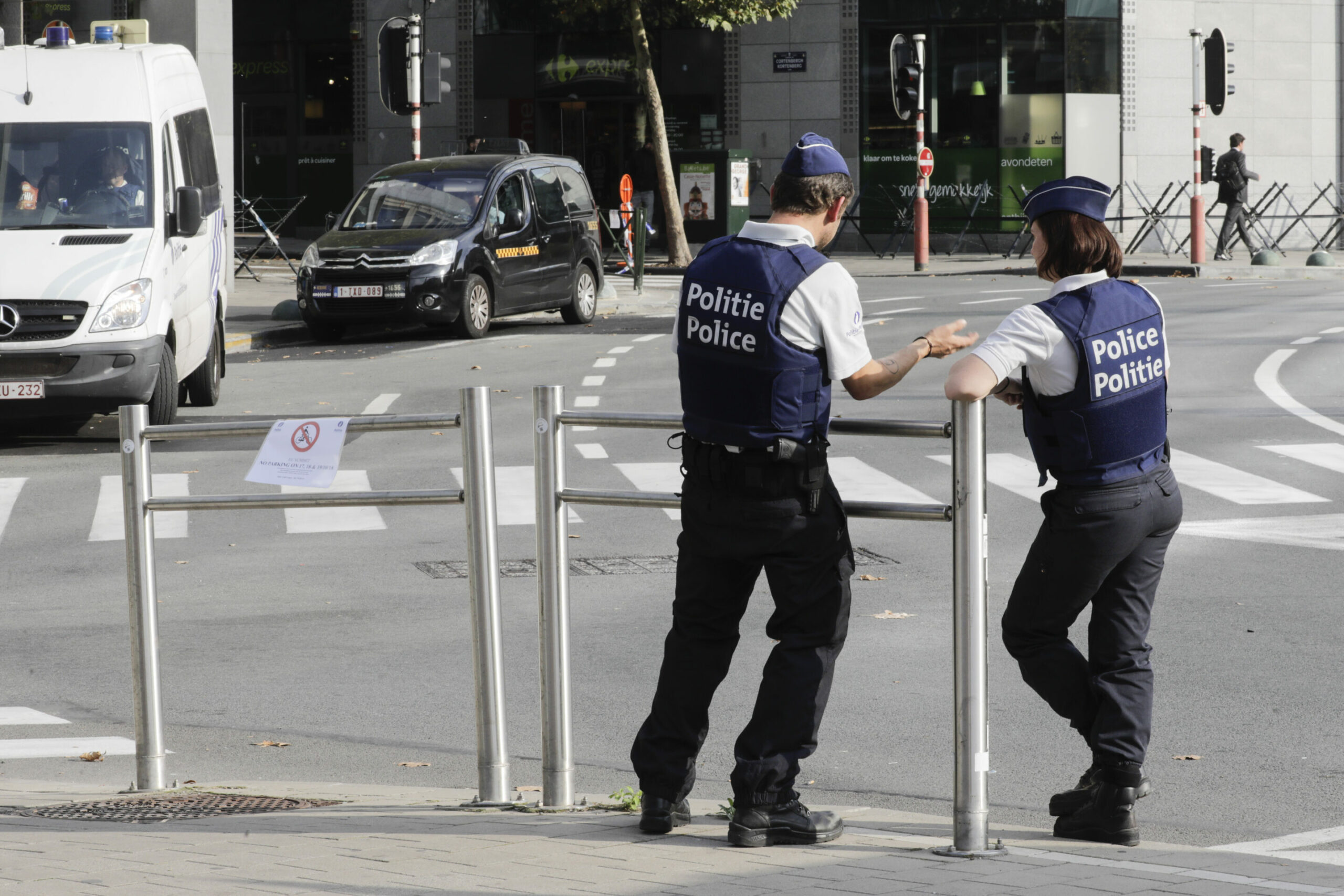
Police officers at Schuman during the EU summit on 17 October 2018. Credit: Belga / Thierry Roge
The proposal to use community inspectors to compensate for personnel shortages is not a sustainable solution, the officers argue. Mobilising these officers for operational missions deprives police zones of essential resources for their core safety and community engagement missions.
They also cite examples of how police resources are allocated, such as replacing prison guards during strikes or accompanying politicians during public events. The federal police, which are meant to support local police, also suffer from personnel and financial shortages.
The merger could, however, offer solutions to personnel and equipment management challenges through resource sharing, allowing under-resourced zones to benefit from more equipped ones. This collaboration could enhance overall effectiveness and ensure better responses to community needs.
The officers remind that crime does not stop at municipal or police zone boundaries and draw parallels with an anonymous letter from other officers shared by L’Echo in March, criticising the security policy in the Midi zone. They linked the dissolution of community units to repeated shootings in this part of the city.
The merger of police zones could be beneficial but must be accompanied by structural reforms and a review of existing standards, they conclude.
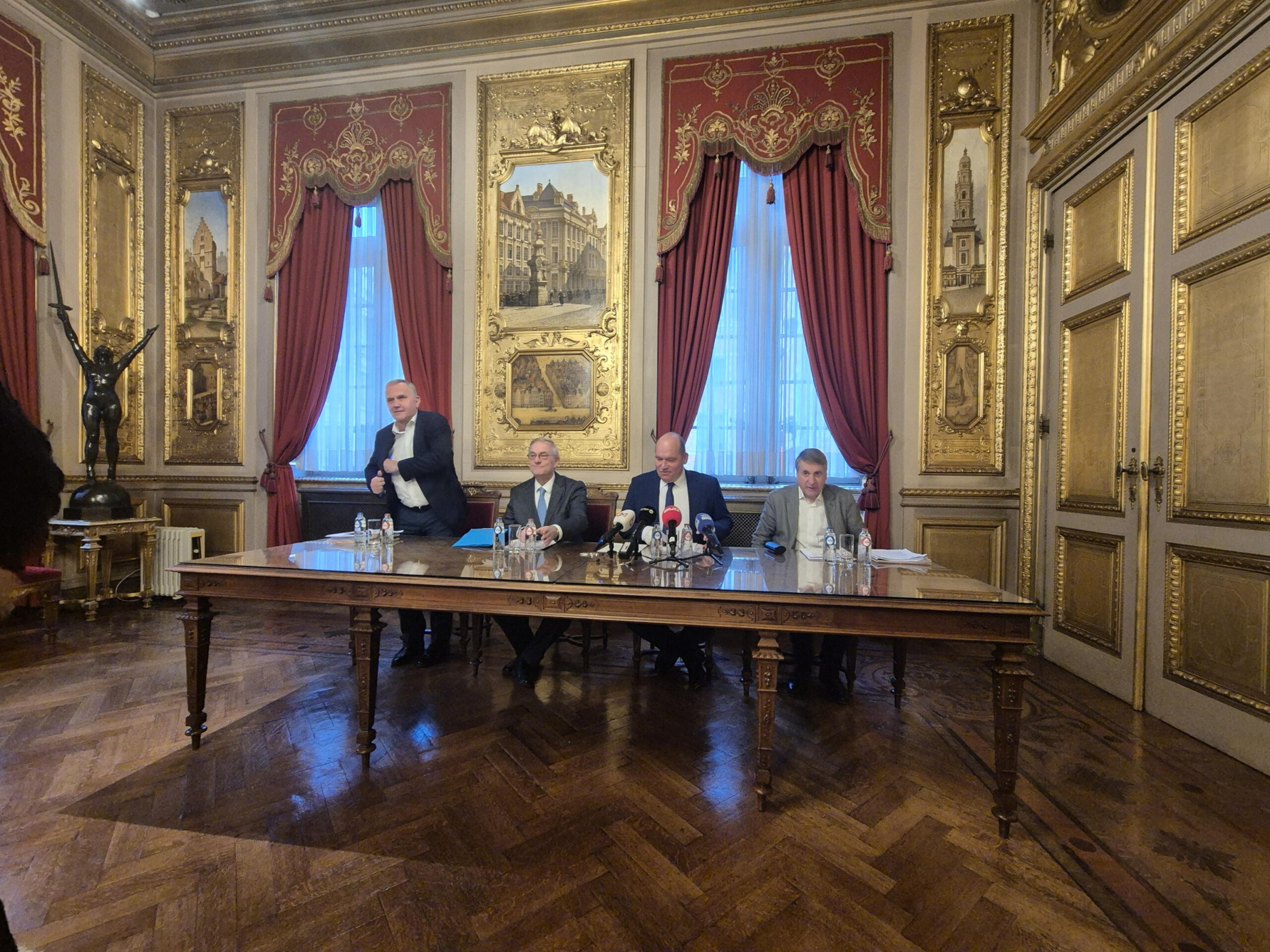
Press conference against police mergers. L-R: Woluwe-Saint-Pierre mayor Benoit Cerexhe, Etterbeek mayor Vincent De Wolf, Brussels-Ville mayor Philippe Close and Woluwe-Saint-Lambert mayor Olivier Maingain on 22 January 2025. Credit: Belga
“It should not serve as an excuse for political manipulation or improper pressures. The main goal should remain the improvement of public safety, respecting transparency, integrity, and community principles.” The merger should thus come with appropriate funding and a code of ethics "for politicians and management."
"We are here to fulfil our core duties, not to cater to political agendas," the officers said.
The merger of the Brussels police zones is expected to take effect by 2027, according to the plans presented by Interior Minister Bernard Quintin (MR) last week. The long-term aim is to reduce the number of zones from 178 to around 40 nationwide.
