
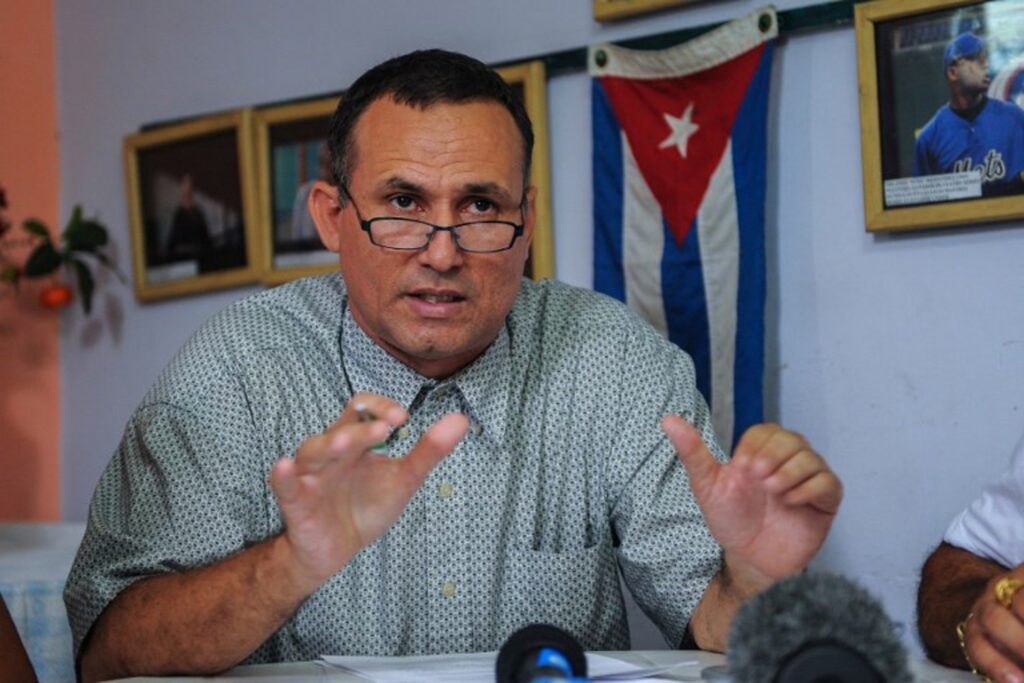
Cuba has accused the European Union and the Embassy of the United States in Havana of "interference" after both parties denounced the arrest of two prominent dissidents.
On Tuesday, Cuban authorities revoked the parole granted in January to José Daniel Ferrer (54) and Felix Navarro (72) claiming they violated their probation conditions.
The men were initially released as part of a deal brokered with the Vatican after the island was removed from the US blacklist of countries supporting terrorism.
On Wednesday, the European Union issued a statement urging Cuban authorities to "reconsider this decision and release all individuals incarcerated for exercising their right to freedom of expression and assembly."
The day before, Washington had also condemned the "harsh treatment and unjust detention" of "Cuban patriots."
Cuba's diplomatic response on X criticised the EU's statement as "interference and disrespect concerning national sovereignty matters on which it has neither rights nor moral authority."
The Director of US-Cuba Bilateral Affairs at Cuba's Foreign Affairs Ministry, Alejandro Garcia, also accused the US embassy in Havana of "interference." It claimed the embassy had violated international law and the Vienna Convention on diplomatic relations.
Related News
- Belgium one of 16 EU countries to request exemption from defence budgetary rules
- EU wants to discuss European investment in US
"Cuba is under no obligation to tolerate the US embassy acting openly as an anti-government activist and inciting citizens to act against their own country and violate their parole conditions," Garcia stated.
Since the start of the year, American chargé d'affaires Mike Hammer has visited several dissidents in Cuba, posting photos on social media of his meetings with José Daniel Ferrer and Felix Navarro at their homes.
