
The UK's two main political parties are at risk of losses in Thursday’s local elections, which may signify the rise of the far-right and the fragmentation of a political landscape traditionally dominated by Labour and the Conservatives.
This election marks the first in England since Labour, led by Prime Minister Keir Starmer, came to power in July. It also serves as a test for Conservative leader Kemi Badenoch, who took charge at the end of last year following the party's general election defeat.
Polls suggest that the anti-immigration Reform UK party, led by Brexit figurehead Nigel Farage, is likely to gain ground, alongside the Liberal Democrats and the Greens. This may indicate a trend towards vote-splitting, observed during the general election.
"British politics seems to be fragmenting," wrote political analyst John Curtice in The Telegraph this week, noting that Thursday's election may be the first where up to five parties play significant roles.
Surveys reveal British dissatisfaction with the two main parties, citing concerns about sluggish economic growth, irregular immigration figures, and struggling public services.
'Embedded fragmentation'
Under the single-round electoral system favouring large parties, Labour secured a landslide parliamentary majority in July with just 33.7% of the vote, the lowest proportion for a winning party since the Second World War.
The Conservatives won 24% of the vote and 121 seats in the 650-seat Parliament, marking their worst-ever electoral defeat.
Reform UK secured five seats, an unprecedented result for a far-right party in the UK. The Liberal Democrats increased their seats by 61 compared to the previous election, while the Greens went from one to four seats.
These results indicate that “fragmentation is already embedded,” according to Rob Ford, a political science professor at the University of Manchester, speaking to AFP.
Ford anticipates losses for both the Conservatives and Labour in these elections, though not equally, as the Tories are defending two-thirds of the local councillor seats up for grabs.
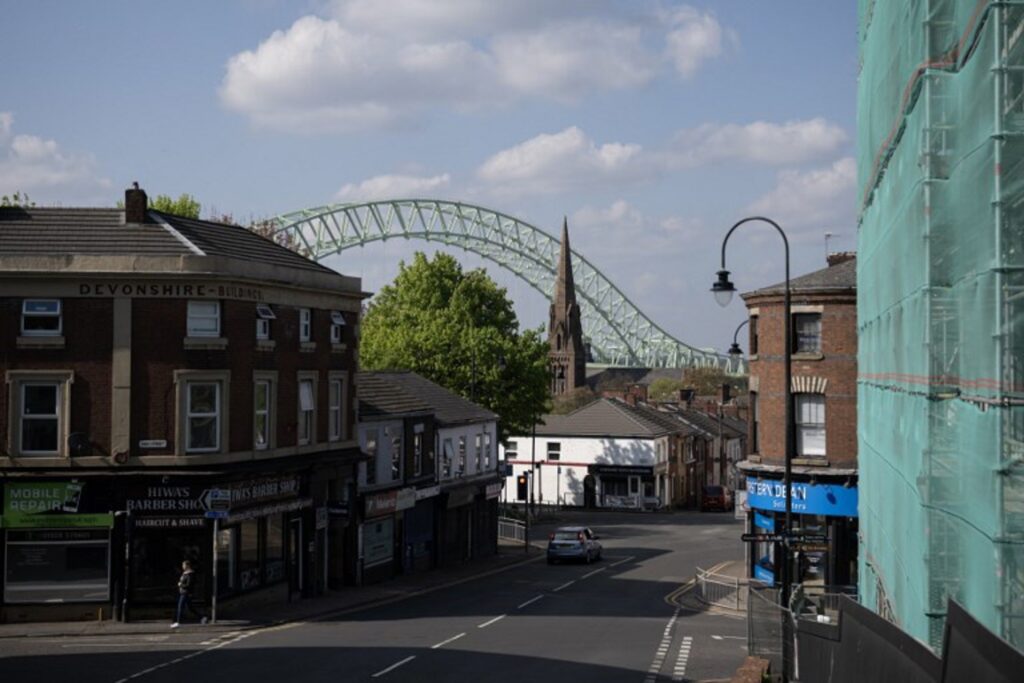
A total of 1,641 local council seats are contested – just a fraction of England's 17,000 – a long with six mayoral positions and one parliamentary seat in the Runcorn and Helsby area (north-west). Reform UK, campaigning against irregular immigration, is bookmakers’ favourite to win this by-election.
Labour faces a challenging return to power after 14 years in opposition.
Keir Starmer, whose popularity has waned in surveys, has not succeeded in reviving the economy and has faced significant criticism for cutting certain social benefits.
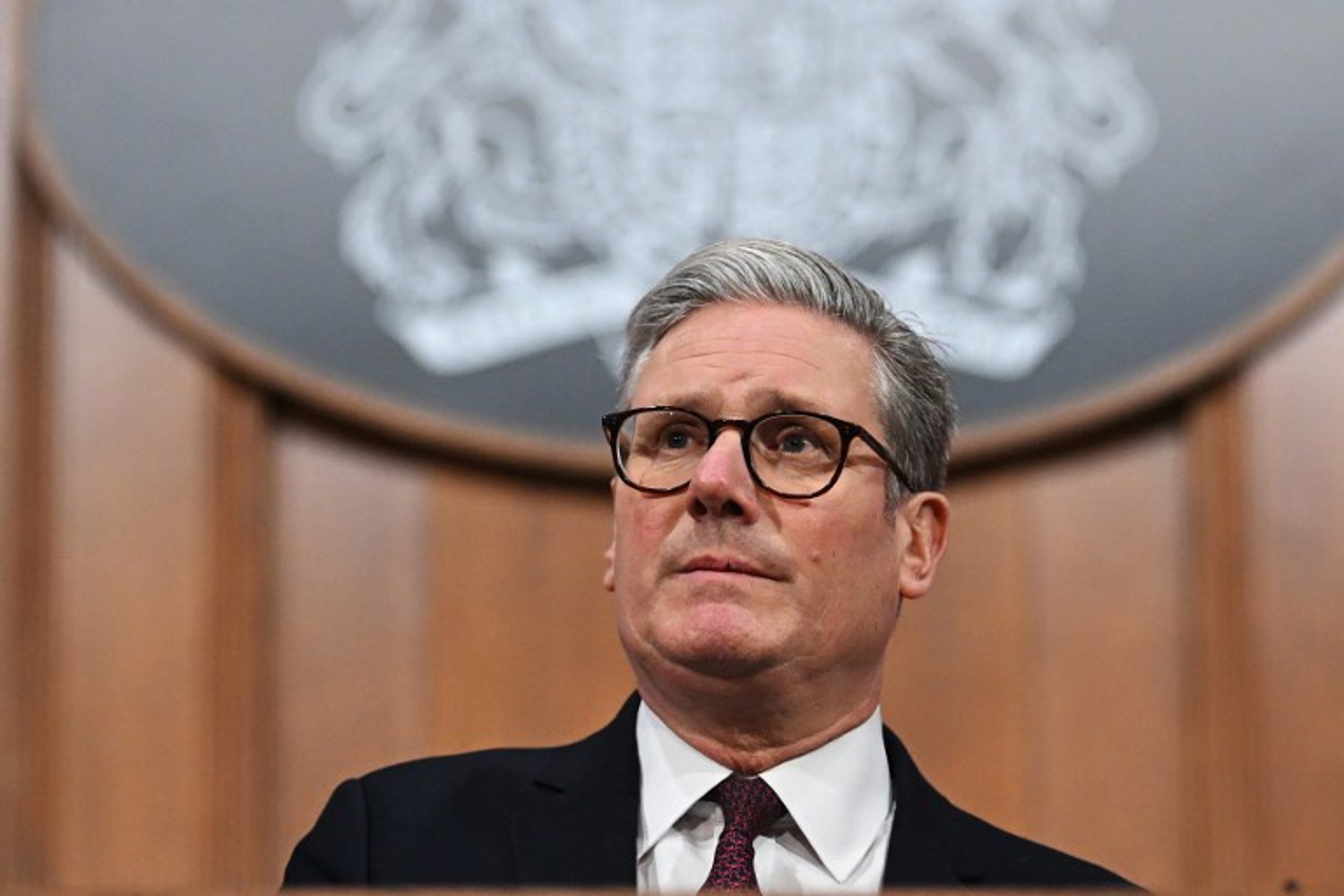
Britain's Prime Minister Keir Starmer holds a press conference in the Downing Street Briefing Room after hosting virtual meeting with international leaders to discuss support for Ukraine, in central London on 15 March 2025. Credit: Belga / AFP
The Runcorn by-election was prompted by the resignation of Labour MP Mike Amesbury, who received a suspended sentence for assault during a night-time altercation.
Although Labour won the constituency with 53% of the vote in July, far ahead of Reform at 18%, Starmer has acknowledged it will now be "difficult" for his party to win.
Nationally, Reform leads with 26% of intended votes, surpassing Labour (23%) and the Tories (20%), according to a YouGov poll released on Tuesday. A victory on Thursday would further entrench Farage's party ahead of the next general election, expected in 2029.
Related News
- Trans women are not 'biological' women, UK Supreme Court rules
- Travelling to UK? Belgian police warn of new ETA scams
Polling stations opened at 07:00 (06:00 GMT) and will close at 22:00, with results expected from Friday morning.
The seats being contested were last filled in May 2021, during the peak of former Conservative Prime Minister Boris Johnson’s popularity, predicting heavy losses for the Tories and fuelling rumours of a possible coalition with Reform.
The Conservatives are also under pressure from the Liberal Democrats, the traditional third party, aiming for gains in the affluent southern regions.
Labour's shift to the right exposes it to the growing threat from the Greens on its left flank.
