
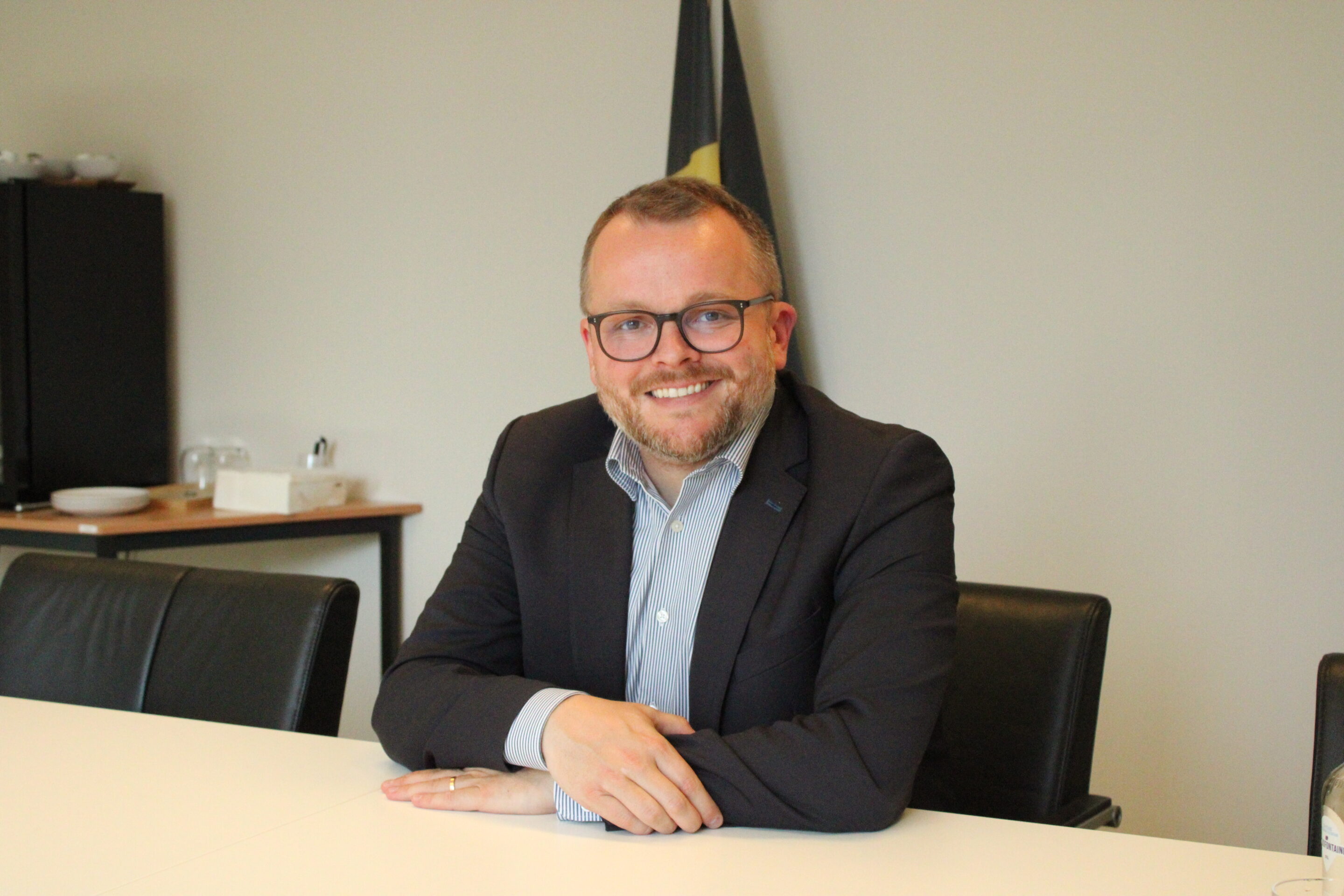
Mathieu Bihet (MR), often dubbed "Atomic Boy" in the press, has emerged as Belgium's most vocal defender of nuclear energy. In an exclusive interview, he tells The Brussels Times: "This isn't just a technical matter – it's a moral reckoning."
The nickname "Atomic Boy" came as a joke but stuck as a brand. "Better than having my name attached to a corruption scandal or a tax," he winks, recounting the interview of Mathieu Buxant on Bel RTL – the journalist who first coined the label. It quickly became clear that the Federal Energy Minister isn't defensive about his passion for nuclear energy – he's defiantly proud of it.
The cost of walking away
On 31 January 2003, Belgium passed a law to gradually phase out nuclear power. It set a clear deadline: 2025. The decision, rooted in a coalition deal between Francophone liberals (MR) and greens (Ecolo), was considered progressive at the time – part of a European shift toward renewables and away from what was viewed as risky, outdated atomic energy.
"I was 12 years old," Bihet says. "It was a different era. The ecological narrative had a strong influence – nuclear was dangerous, nuclear was unmanageable, and we thought renewables would cover all the energy we needed."
But 22 years later, the promises of 2003 have collided with new realities. Electricity demand has soared. Fossil fuel dependency remains high. And despite billions invested in renewables, intermittent sources like wind and solar have not (and cannot) fully replace steady baseload power. Let alone hydroelectricity which Belgium certainly cannot depend on.
"You need electricity to phase out fossil fuels. You need it for heat pumps, for electric vehicles industry. And we don't have enough of it," Bihet explains. "So the idea of turning away from our only large-scale low-carbon energy source just doesn't hold."
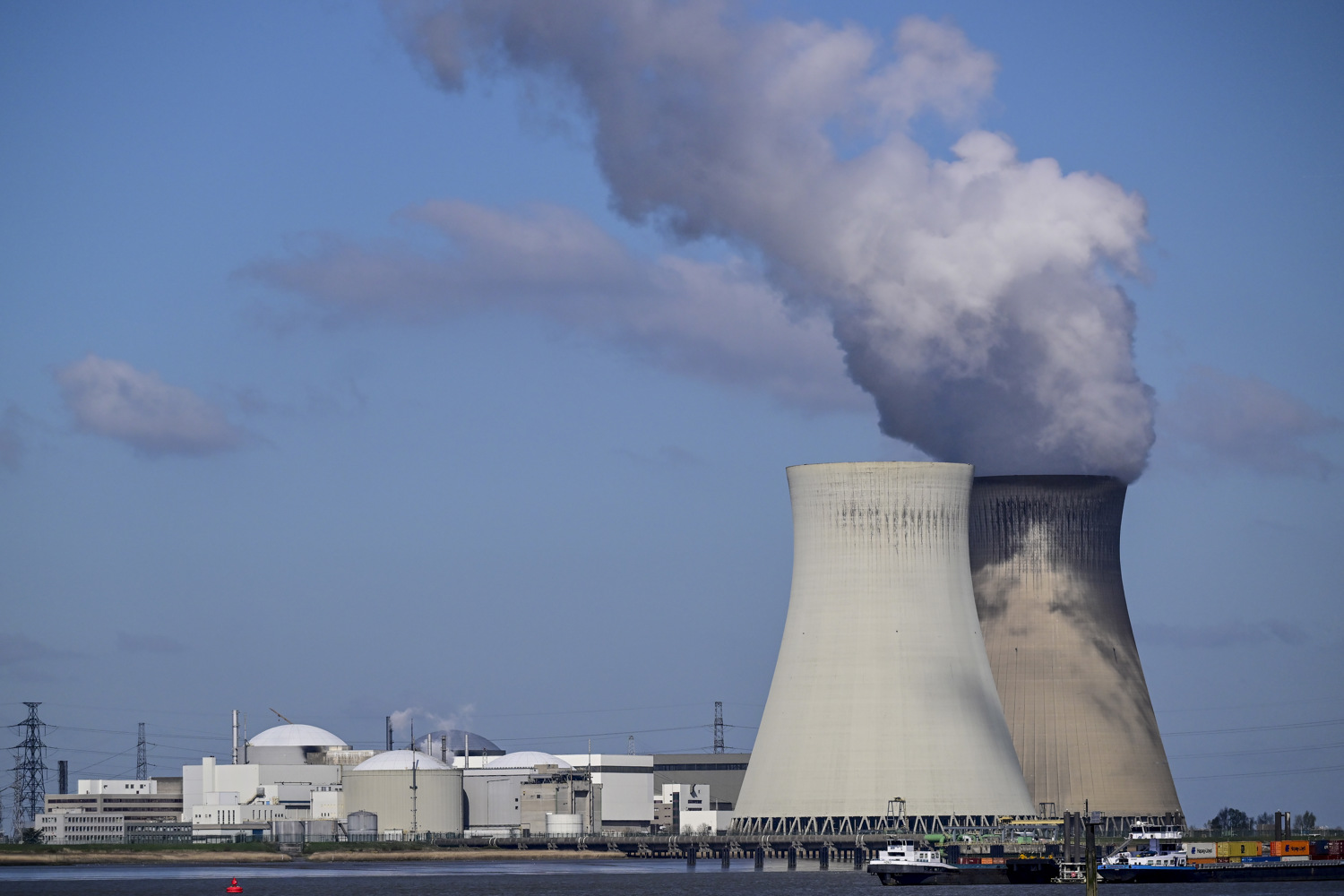
The Doel Nuclear Power Station in Beveren pictured on Monday 31 March 2025. Credit : Belga/Dirk Waem
Nuclear energy remains the main source of domestic electricity in Belgium. The electricity production from it is "linear", meaning that power plants operate most of the time at 100% of their capacity, providing a baseload to the grid.
However, reactors are not available all the time. On average between 2008 and 2023, Belgian nuclear power plants were available 77% of the time, with peaks (92% in 2021) and troughs (51% in 2015).
It's not just Belgium which is having a rethink. Italy, the Netherlands, Sweden and even Germany – where nuclear exit once seemed politically irreversible – are now reassessing their long-term energy security. "The wind is shifting in Europe," Bihet says. "Everyone sees it."
Beyond ideology
If there's a leitmotif to Atomic Boy, it's consistency. He returns to the word often – sometimes with irony, sometimes with pride. "I may have many flaws," he quips, "but inconsistency isn't one of them."
What he means is that, even before he became minister, he had made the case for keeping nuclear in the mix. And he's critical of what he sees as past ideological rigidity, particularly from Belgium's green party. "The decision to shut down the reactors was ideological," he says. "The decision to reopen them is pragmatic."
Bihet doesn't consider nuclear as a panacea, but as part of a larger balancing act. He was quick to insist that the energy transition can't succeed without massive renewable investment. Offshore wind, solar panels, hydrogen electrolysis – these all have their place. But without stable, low-carbon baseload energy, they risk falling short.
He likens the energy grid to a financial portfolio: "You wouldn't put all your savings into one stock. Not all your eggs in one basket. Energy should be the same – diversified, resilient, balanced.”
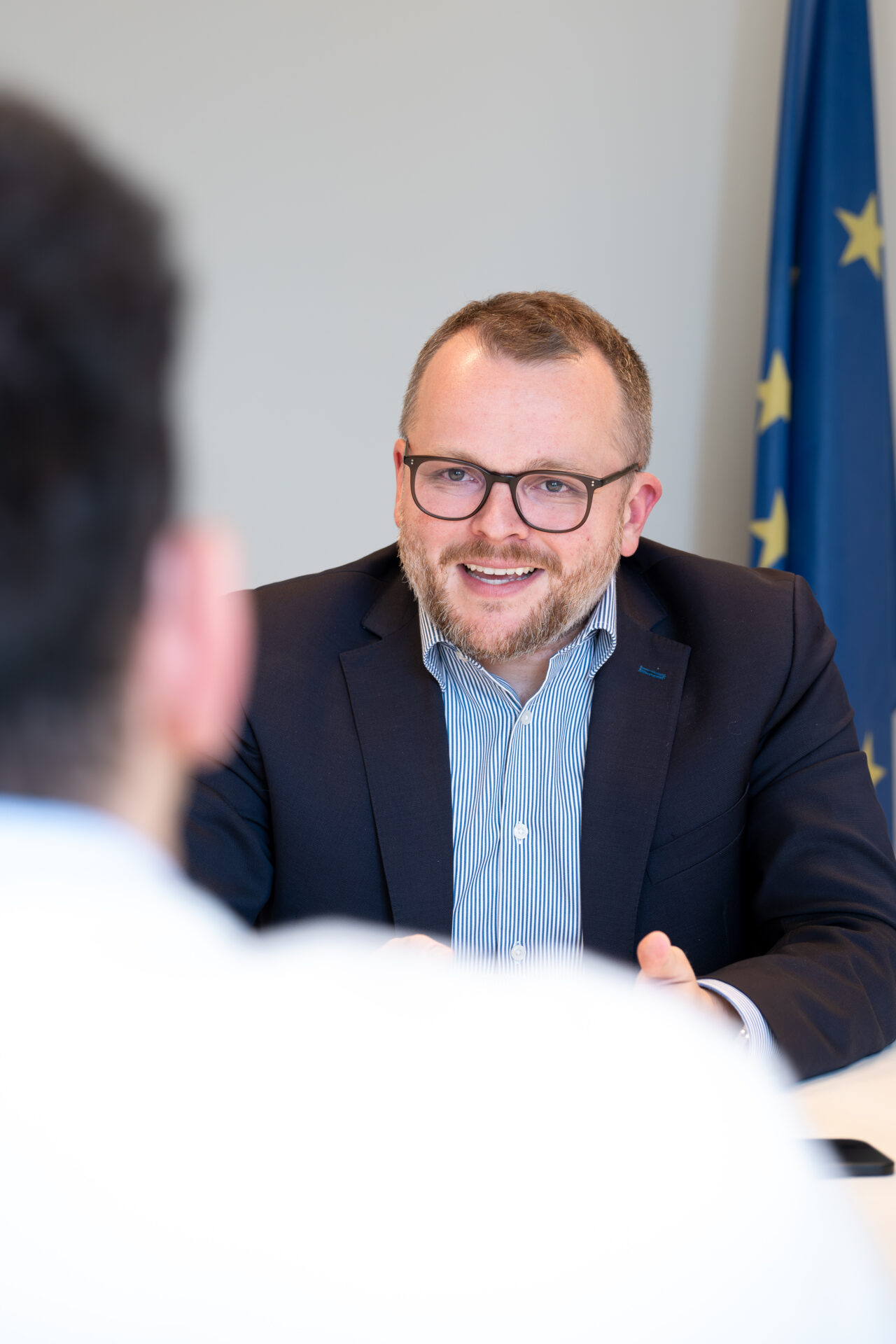
Mathieu Bihet, Federal Energy Minister of Belgium in an exclusive interview with The Brussels Times. Credit: Anas El Baye
One of the most compelling parts of Bihet's case is how he turns the nuclear safety argument on its head. Far from being a risk, he argues, nuclear's longevity and regulation make it more stable than many alternatives.
"If a reactor is set to close in six months, no one will invest in it," he says. "But if it's going to run for 20 years, you invest. That's safer."
The metaphor he uses is disarmingly simple: maintaining a nuclear plant is like owning a car. If you know it's going to the scrapyard soon, you don't replace the tyres. But if you plan to drive it for years, you keep it in top condition.
Still, he concedes, nuclear isn't flawless. It runs constantly, regardless of grid demand – and lacks the flexibility of newer modular designs. "But no energy source is perfect," he says. "Wind is intermittent. Solar stops at night. Coal is dirty. You have to balance."
The hypocrisy of imports
Bihet's tone sharpens when the conversation turns to imported energy (+15% in 2024). For years, Belgium shut down parts of its nuclear fleet while importing electricity from France – most of which was, ironically, nuclear. Or worse, from Germany, where coal has staged a comeback.
"What's the logic?" he asks, visibly frustrated. "We leave nuclear, only to buy nuclear. Or coal. It's a political illusion – and it made us vulnerable."
He points to the Ukraine war and the ensuing gas crisis as the moment Europe was forced to look in the mirror. "We realised how dependent we were – on Russian fossil fuels, on foreign supply chains. Strategic autonomy became more than a buzzword."
Renewables and realism
We spoke at length about solar panels – especially their supply chain. While Bihet supports domestic solar expansion, he's concerned about how the panels are produced.
"If the carbon cost of making a solar panel outweighs its benefits, what's the point?" he asks, referencing energy analyst Jean-Marc Jancovici's well-known critique. "And if we import them from countries that don't follow the same environmental standards – are we really going green?"
When asked about ethical standards, he firmly asserted that the issue falls under regional, not federal, jurisdiction. The question was prompted by scandals surrounding the solar panel supply chain, which a 2023 report revealed to be tainted by forced Uyghur labour in China.
Still, Bihet is no pessimist. He believes in renewables, but wants to see them hand in hand with nuclear, clean energy. "We need wind. We need solar. We need hydrogen. But we also need to be realistic."
As the interview wraps up, there is a quiet urgency in his tone – not the usual political calculation, but the pressure of time. He made it clear that this was not him being Atomic boy, pro-nuclear, but this was a pragmatic approach for Belgium and Europe. The energy transition is no longer theoretical.
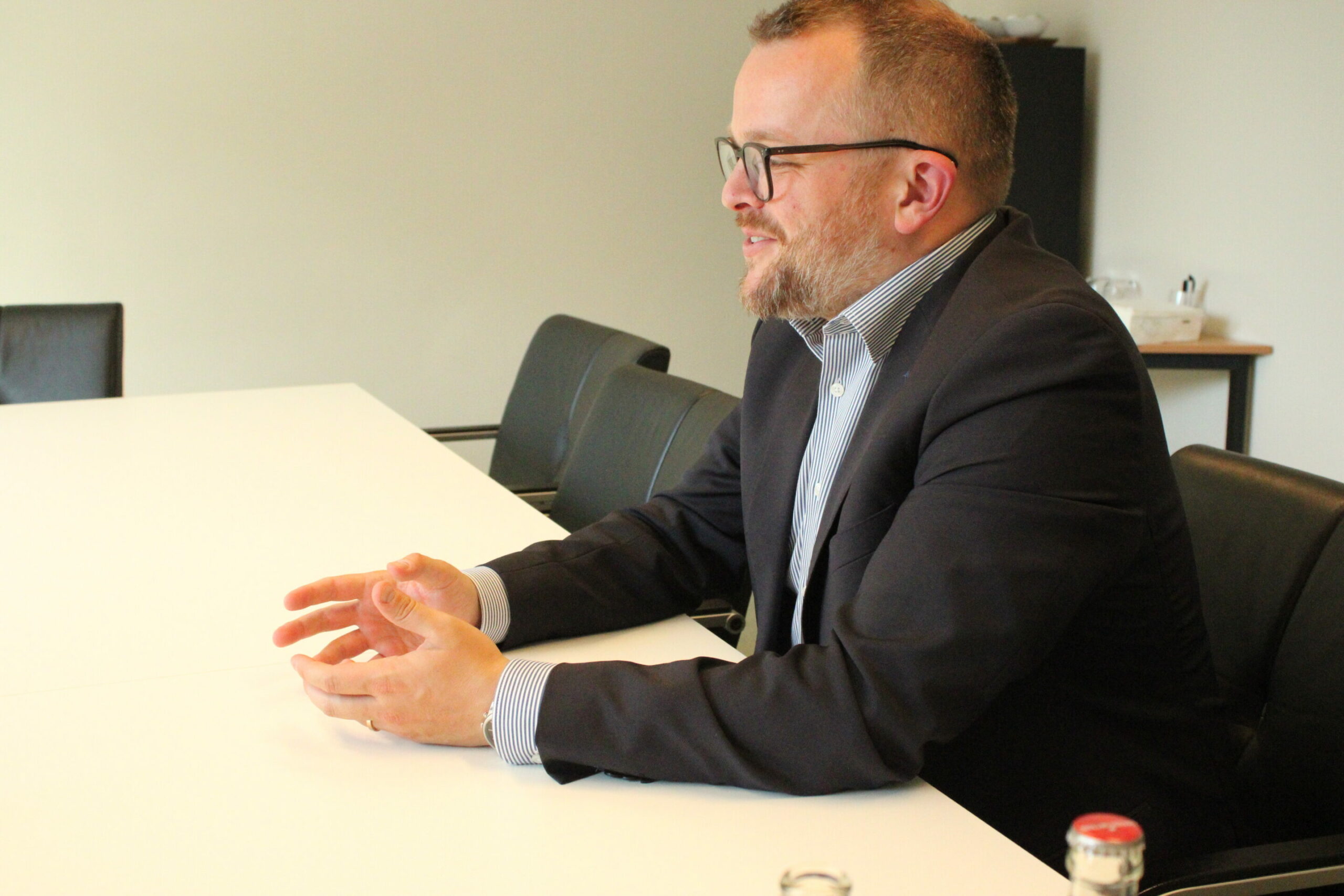
Mathieu Bihet, Federal Energy Minister of Belgium in an exclusive interview with The Brussels Times. Credit: Anas El Baye
The decision to shut down all reactors by 2025 was based not so much on a pragmatic detailed energy transition plan as on 'principle'. Nuclear was cast as the enemy: too dangerous, too expensive. But ideology, however righteous, is a poor substitute for infrastructure. And Belgium, like much of Europe, is now discovering the hard limits of wishful thinking.
The return to nuclear energy is not a triumph of one political camp over another. It's a reckoning. A moral reckoning. A moment when slogans must make room for facts, when conviction yields to compromise. Because in the end, Belgium's slow U-turn on nuclear power is a lesson in the cost of mistaking intention for strategy. The climate crisis, the geopolitical instability of the 2020s demand uncomfortable choices – and the courage to make them.
