
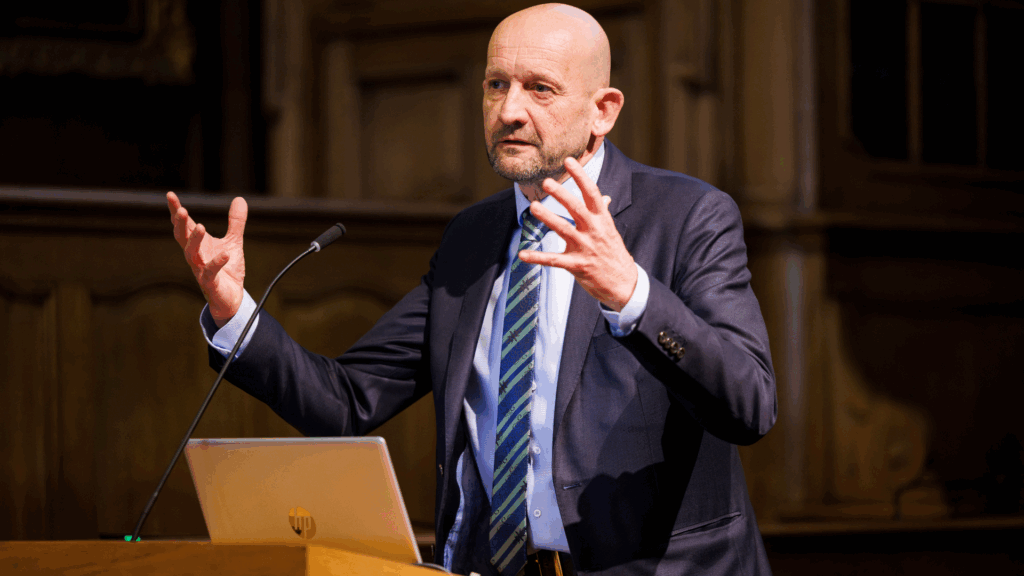
Researchers at KU Leuven have shown that expecting mothers don't have to choose between their lives and their babies in the face of cancer. However, funding issues threaten the progress of the life-changing research.
When an expecting mother was diagnosed with cervical cancer about ten years ago, her options were limited to terminating her pregnancy to receive treatment or roll the dice on her health.
However, in an appointment with Dr. Frédéric Amant and a colleague, she asked for another solution. "We started looking into the literature and we told her maybe there is another option, but there are many uncertainties," recalled Dr. Amant.
Nonetheless, she accepted what at the time was an atypical approach. "She said I have a better chance [of survival] because my cancer was diagnosed early due to my pregnancy, so I want to offer the same chances for my child," explained Dr. Amant.
What ended up being a successful case was also the start of Dr. Amant's years of research on the impact of cancer treatments on pregnant women. "We saw so many unresolved questions that we said 'okay, this is something where we could change the field, where we could fill the gap, where we could add clinically relevant data'," he said.
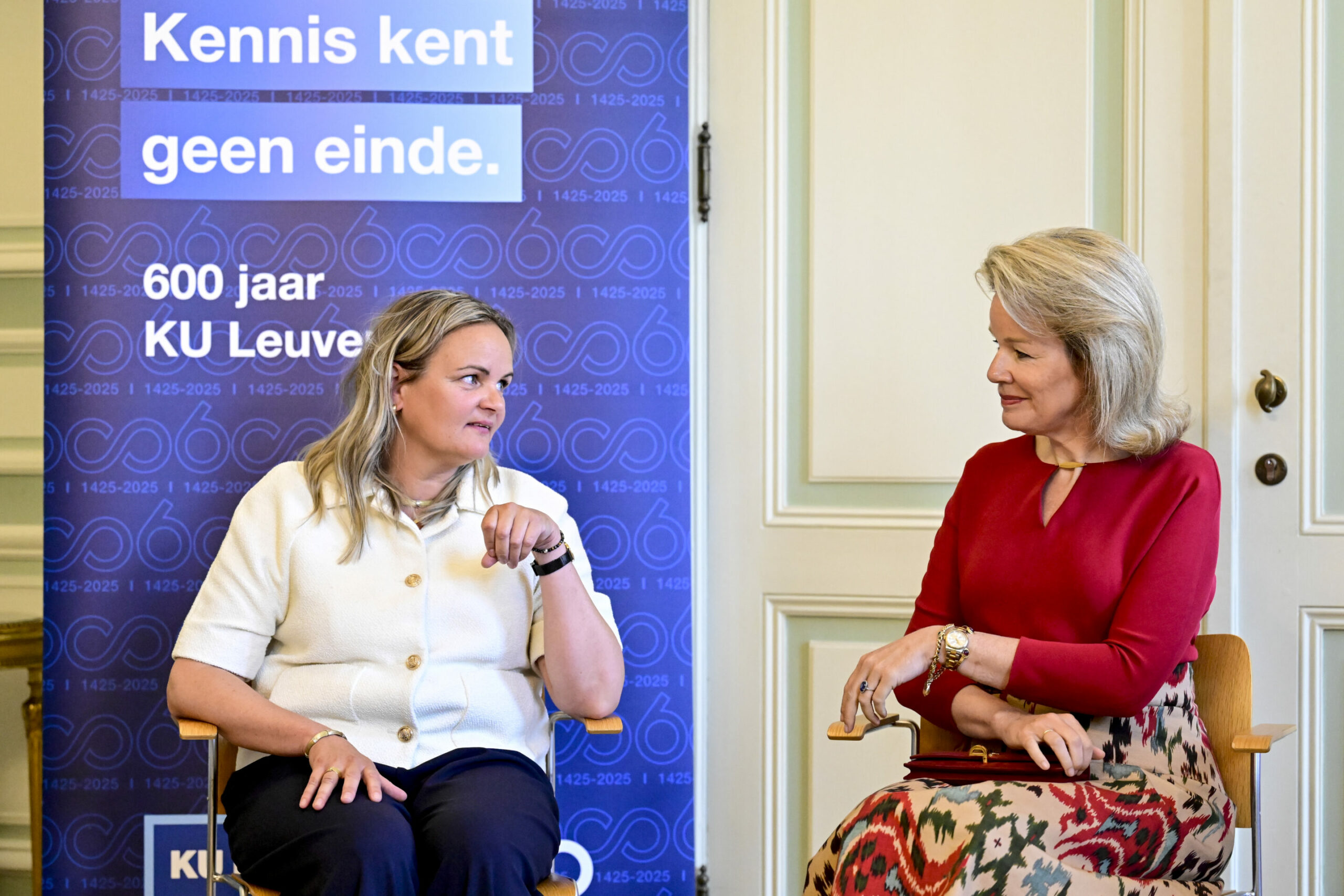
Queen Mathilde of Belgium pictured during a scientific symposium organised by KU Leuven on the occasion of the 20th anniversary of the research programme on cancer and pregnancy in Leuven on Tuesday 6 May 2025. Credit: Belga/Dirk Waem
On Tuesday, KU Leuven celebrated 20 years of research into cancer during pregnancy. One highlight for Dr. Amant, who leads a team of researchers at the university, is the progress in the field. "We started from a situation where pregnancies were interrupted, delayed or early delivery was induced," he said. "Today we have solid data that shows that cancer treatment, in particular chemotherapy, is not dangerous to the foetus."
The placenta is key when it comes to protecting a foetus during chemotherapy, Dr. Amant explains. "The placenta plays a different role for different drugs, so it's very difficult to generalise," he said. "But overall, the levels at the foetal side are lower than at the maternal side."
The results of the years of research have expanded treatment options as doctors are now generally more confident in treating pregnant women with cancer, according to Dr. Amant.
The consequences are life-changing. "One of the children who was born after chemotherapy during pregnancy did her high school project on cancer during pregnancy [...] that was for me a full circle moment," Dr. Amant said.
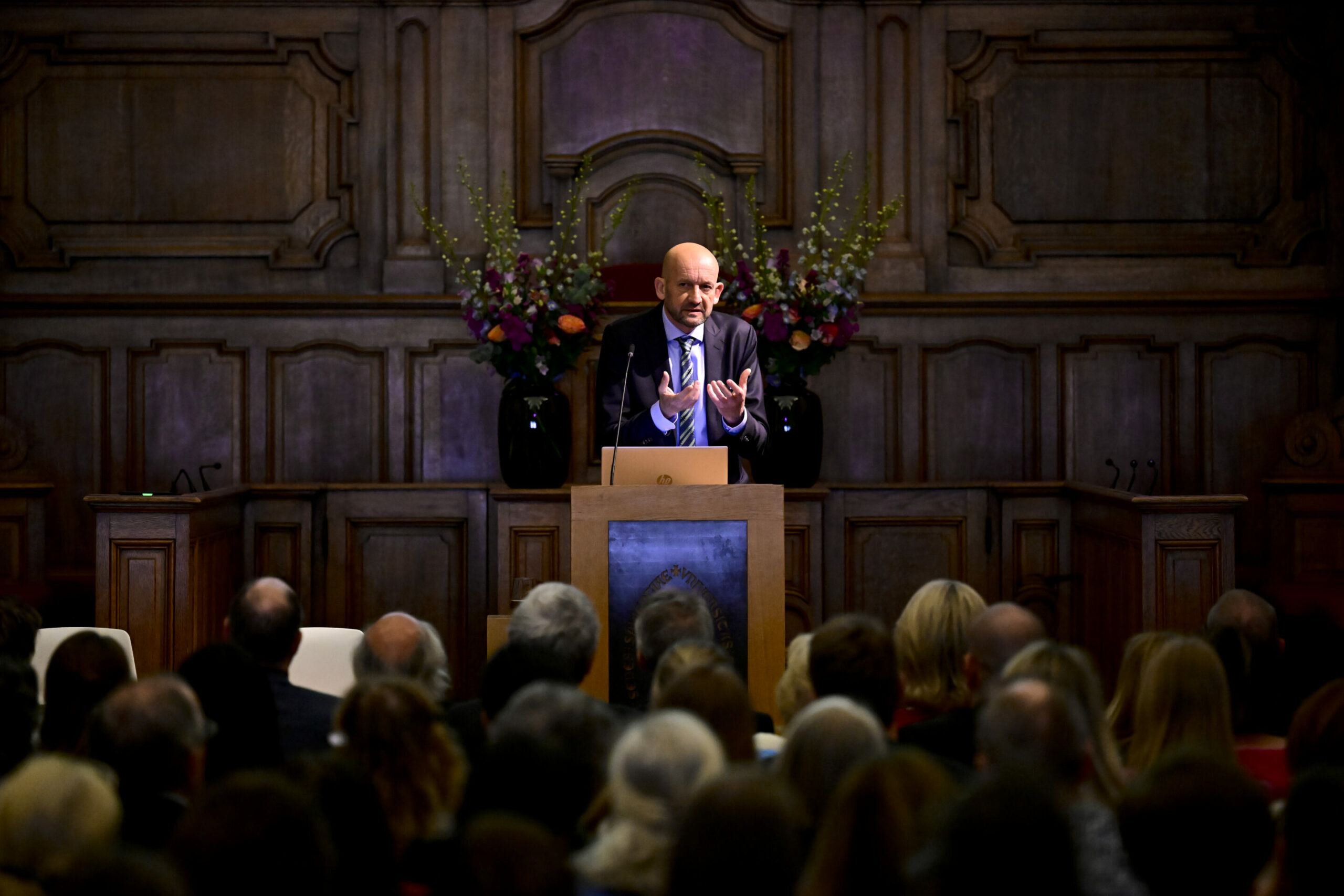
Dr. Frédéric Amant pictured during a scientific symposium organised KU Leuven. Credit: Belga/Dirk Waem
This shift in the field was due to strong data derived from research, something which requires funding. However, as Dr. Amant's research team provides more answers, the interest in funding more complete studies has declined. He attributes this in part to a lack of interest in funding investigations into longer-term impacts of treatment.
Additionally, the lack of "novelty" makes it difficult to compete for grants. "They say the most important questions have been answered. So we lose competition with other countries," he added.
As a consequence, projects have been halted. "We had to stop the follow-up of the children [who were treated as foetuses] because of a lack of resources," he said.
The need for funding is crucial due to the importance of potential long-term effects but also the unknown impact of newly developed cancer drugs. "So if you find someone with funding, send them to me. We really need more resources," Dr. Amant said. "You can mention it in the article. You never know who is reading."
