
The European Commission plans to ban the import of Russian gas by the end of 2027, as outlined in a new proposal aimed at increasing Europe’s energy independence, bolstering security, and cutting off funding to Russia’s war chest.
In May 2022, shortly after Russia’s invasion of Ukraine, the European Commission initiated a strategy to reduce dependence on Russian fossil fuels. Measures such as accelerating the green transition, implementing energy savings, and diversifying energy supplies led to an annual reduction of 60 billion cubic metres in gas imports between 2022 and 2024.
However, the EU bought more Russian gas in 2024, importing 52 billion cubic metres last year—32 billion via pipelines and 20 billion in liquefied natural gas (LNG), representing about 19% of the EU’s total gas imports.
The port of Zeebrugge plays a significant role as a hub for Russian LNG.
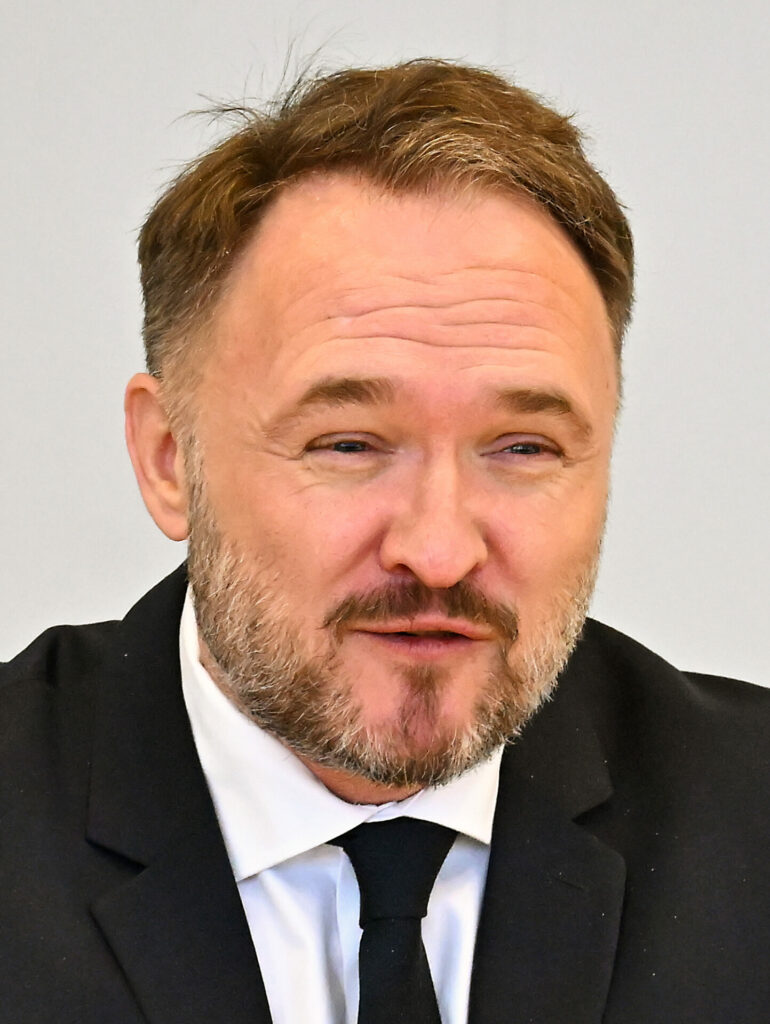
The European Commission has emphasised that excessive reliance on energy imports compromises security. It will propose a phased plan to reduce dependency on Russian fossil fuels to prevent severe impacts on the countries involved, Energy Commissioner Dan Jorgensen said on Tuesday.
Next month, the Commission will present legislative proposals to ban new contracts with Russian suppliers, both long-term and on spot markets, with the aim of reducing Russian gas supplies by one-third by the end of the year. By 2027, all Russian gas imports should cease.
Member States are required to draft plans by the end of the year detailing how they will contribute to phasing out imports of gas, nuclear energy, and oil from Russia.
