
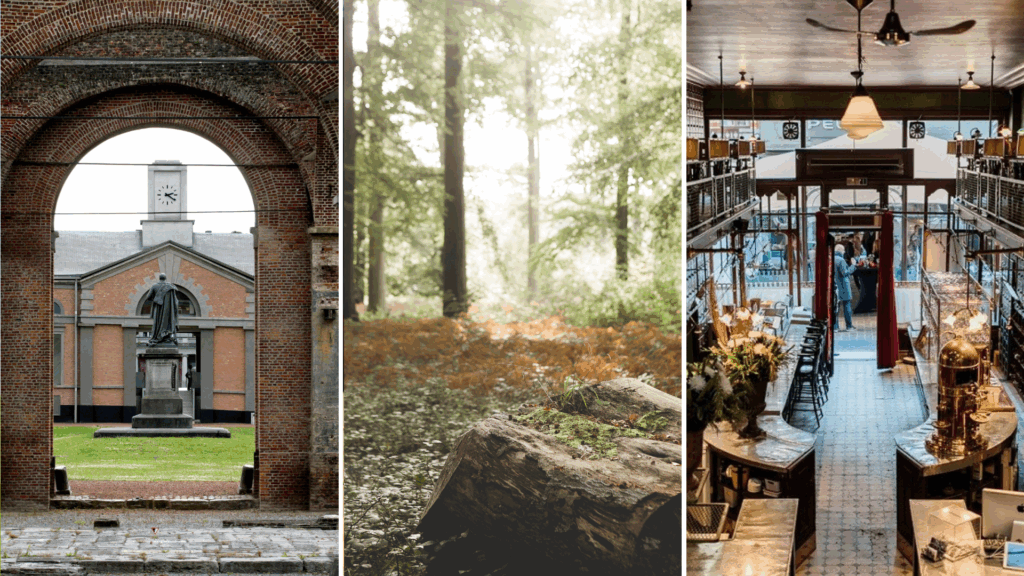
Belgium boasts 16 UNESCO world heritage sites, providing ample opportunities to head out, soak in some culture and soak up some sun.
The days are getting warmer, and anyone looking for a stimulating cultural excursion in Brussels or further afield should consider visiting a UNESCO world heritage site.
World Heritage sites were established in 1972 as a way to safeguard locations of "outstanding universal value". There are 1,233 sites spread across the world – some are cultural phenomena, some are natural and some are both.
Sixteen of these wonders are located in Belgium. The Brussels Times has selected several of the must-sees but urges the reader to check out as many of them as possible!
One of the Great Spa Towns of Europe
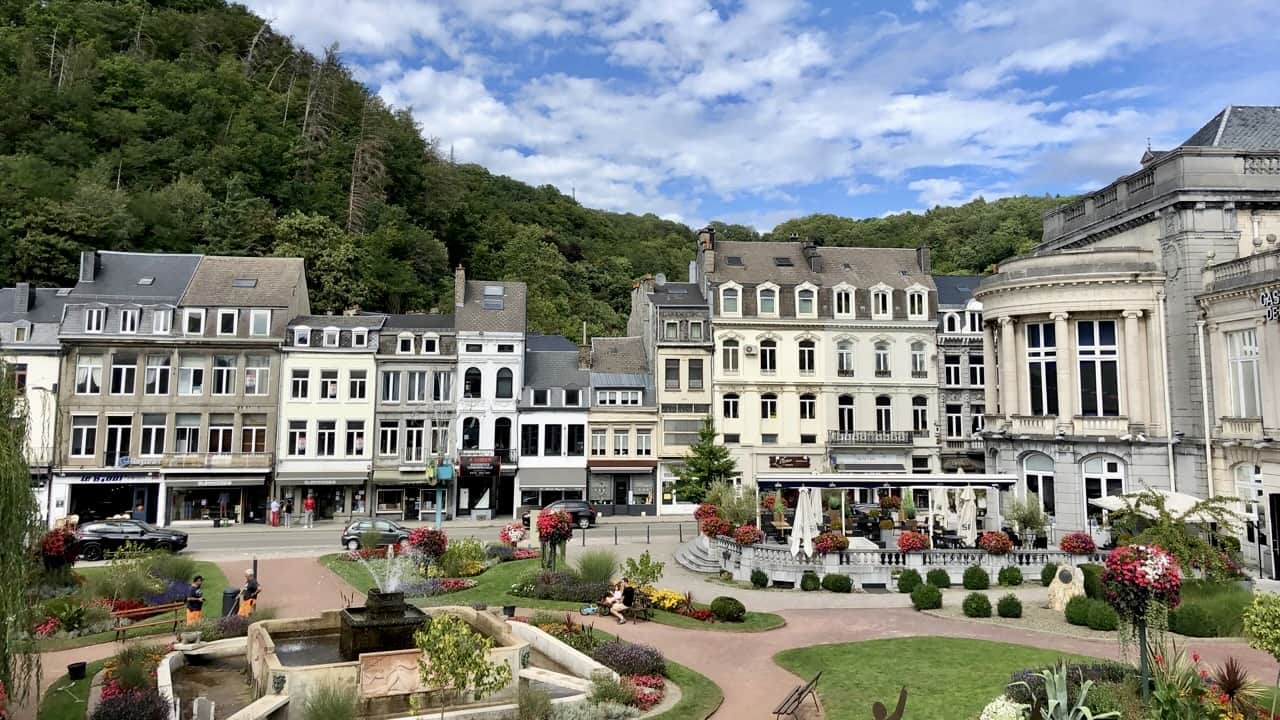
Spa, Belgium is one of the Great Spa Towns of Europe, according to UNESCO. The organisation designated these locations World Heritage in 2021 for their traditions surrounding nearby mineral water springs. The Belgian town is also where the word 'spa' originates from.
Since the early eighteenth century, Spa and its counterparts (Bad Ems, Baden-Baden and Bad Kissingen in Germany, Baden bei Wien in Austria, Vichy in France, Montecatini Terme in Italy, the City of Bath in the UK and Františkovy Lázně, Karlovy Vary and Mariânské Lâznë in the Czech Republic) have offered thermal water treatments with medicinal and scientific properties.
Spa is known as the "pearl of the Ardennes" and offers visitors the chance to drink its iron-rich waters, take a funicular to a hilltop spa and bathe in copper baths.
More information here.
The Spiennes Neolithic Flint Mines
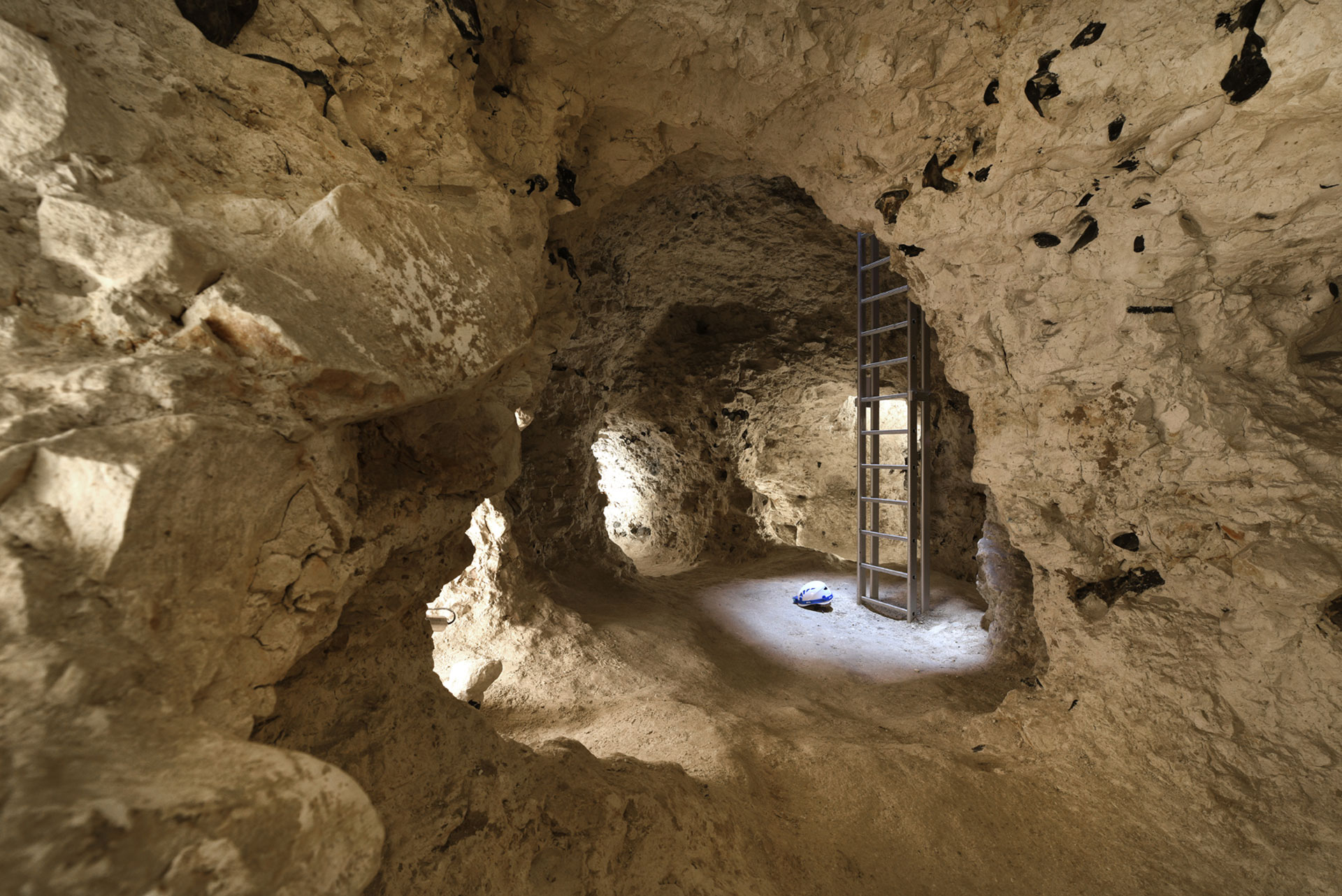
Credit: Visit Wallonia
Europe's largest mines are nestled away in Wallonia. The Spiennes Flint Mines are an enormous network of galleries connected to the surface by vertical shafts dug by Neolithic populations.
Located on two chalk plateaus six kilometres southeast of Mons, the mines span 100 hectares and showcase some of the most advanced mining techniques of the Neolithic period. Their significance continued into contemporary history as they were used as dugouts by the armies of Louis XIV. The mine's flint was then used to produce guns in the nineteenth century.
Under-10s, people with certain illnesses and pregnant women are not permitted to enter the mines for health reasons, but anyone else can book a visit ahead of time.
More information here.
Plantin-Moretus Museum
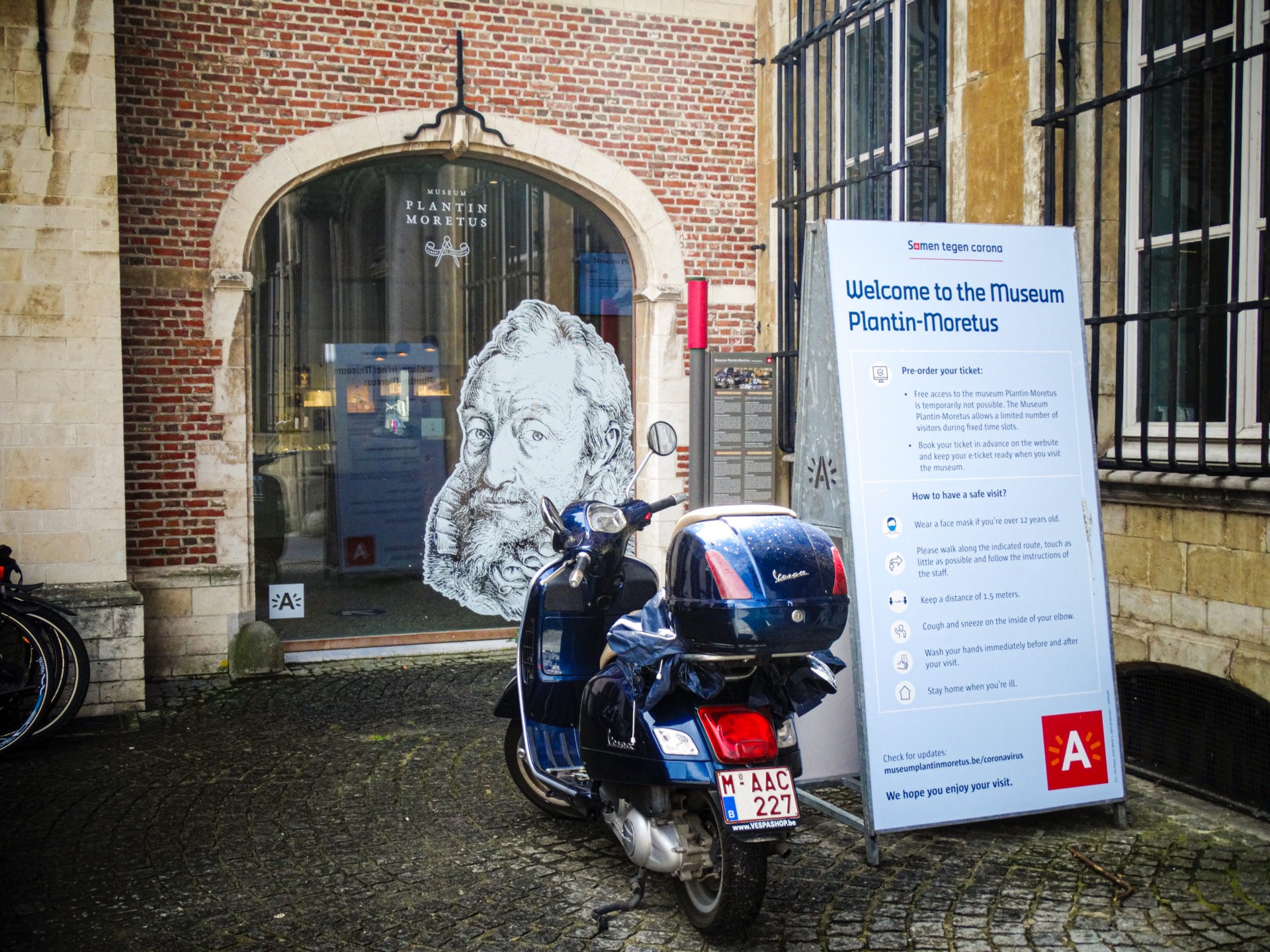
Museum Plantin-Moretus Antwerp. Credit: Jilke Tielemans/The Brussels Times
A trip to Plantin-Moretus Museum in Antwerp reveals the city's lavish printing history dating all the way back to the Renaissance. Along with Paris and Venice, Antwerp was one of Europe's most important printing industry hubs in the late sixteenth century.
The museum, the only surviving Renaissance printhouse, is named after printer-publisher Christopher Plantin and contains a vast collection of printing artefacts, showcases valuable architectural styles, an impressive library and a range of artwork including a Rubens painting.
More information here.
First World War funerary and memorial sites
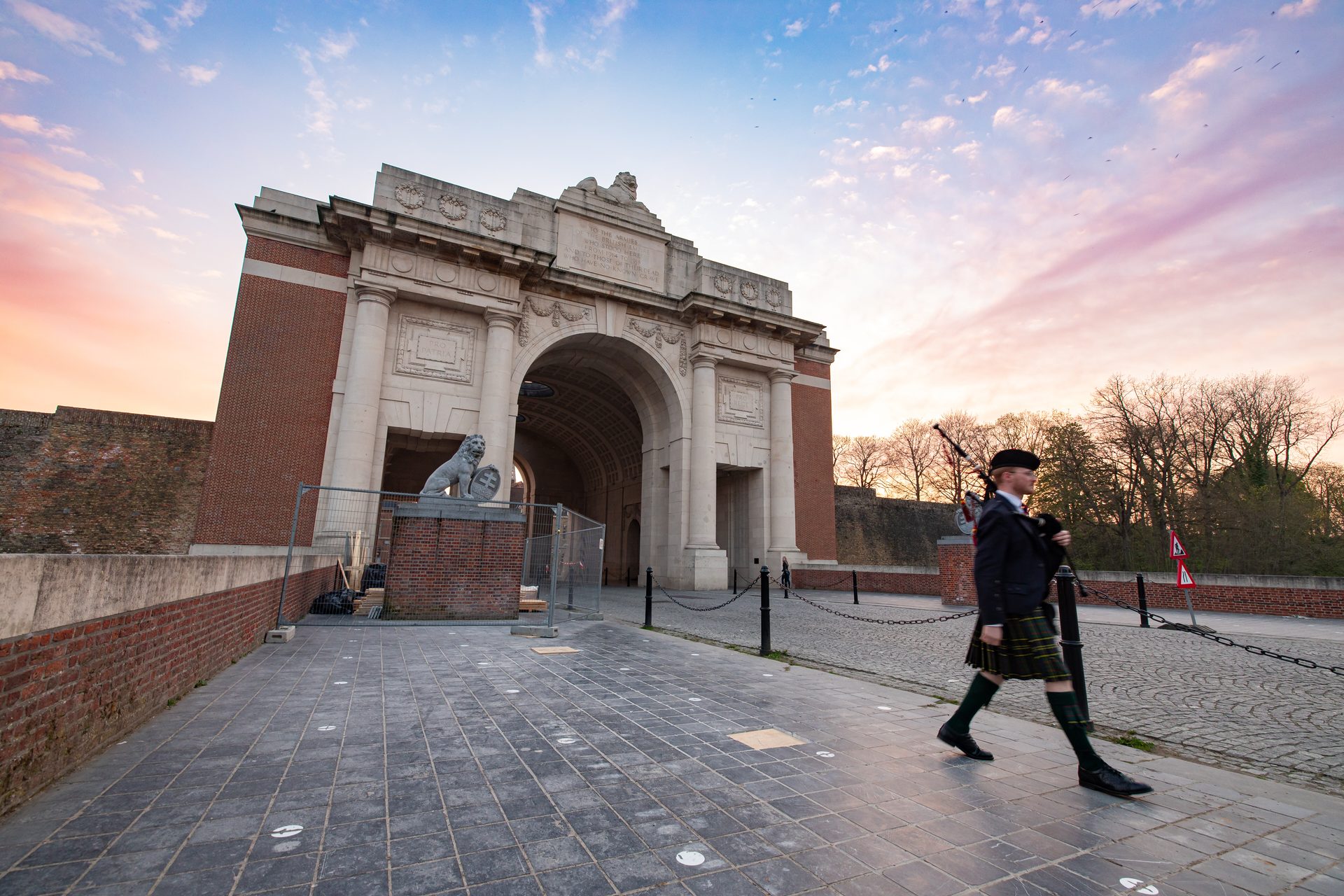
A piper at the Menin Gate memorial in Ypres. Credit: Belga / Kurt Desplenter
Another walk back into history is possible, this time all along the 700-kilometre long Western Front through Belgium and France.
This part of the world was the stage of many important battles of the First World War. There has been a concerted effort to mark these sites as a way to commemorate the dead and honour the reconciliation that has occurred since the war.
139 burial and memorial sites can be found in France and Belgium. They are open to the public in both Wallonia and Flanders.
Works of 'Le Corbusier'
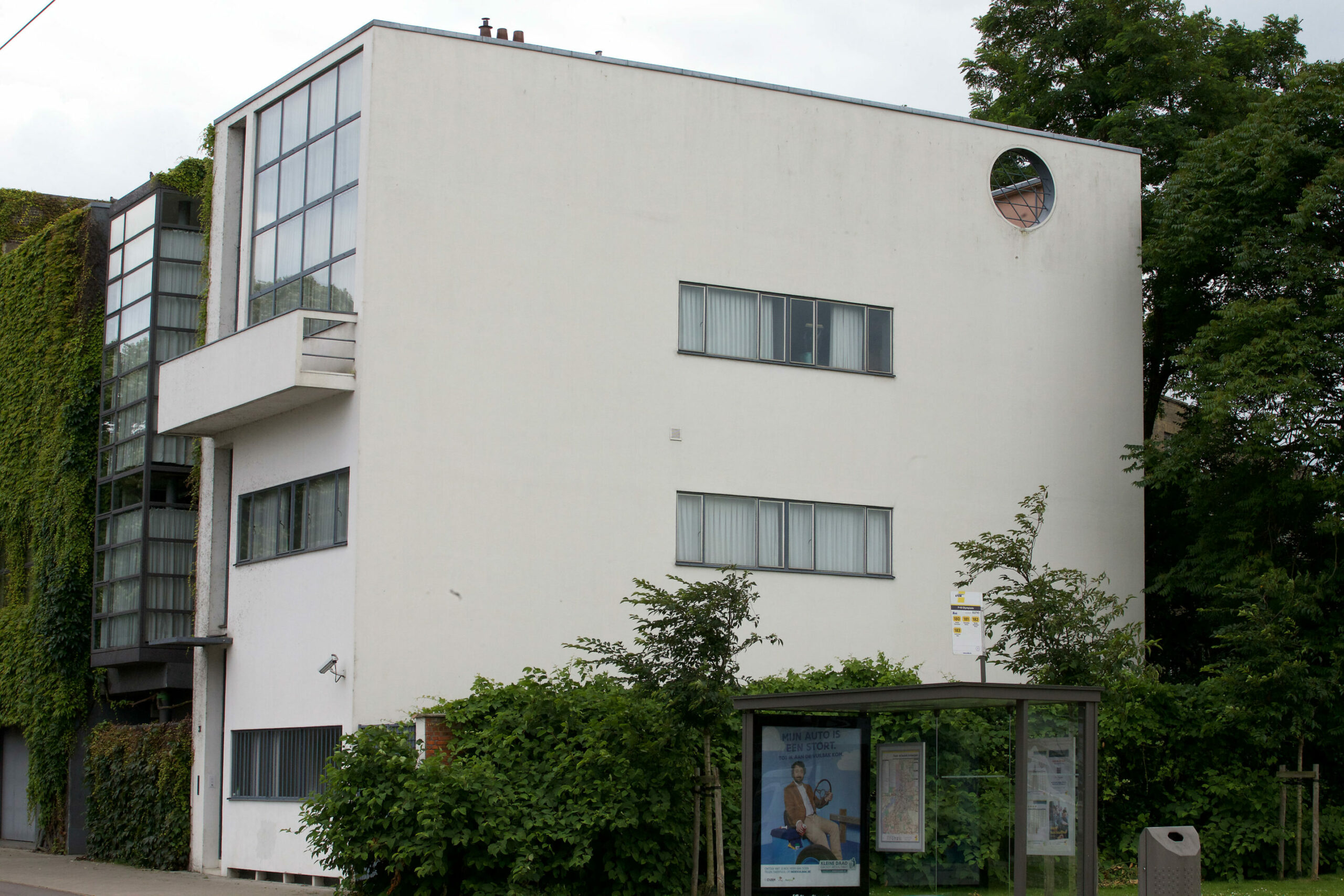
Maison Guiette. Credit: Belga / Nicolas Maeterlinck
Brussels is famed for Art Deco and Art Nouveau (Victor Horta's works are UNESCO-listed) but Belgium is home to other architectural masterpieces too. One of 17 works of Swiss-French architect 'Le Corbusier', Maison Guiette, is located in Antwerp. All 17 were classed as World Heritage in 2016 as Le Corbusier is considered a pioneer of modern architecture.
The project, Le Corbusier's first commission abroad, was built by René Guiette in 1927. The house is free to view from the outside but entry is not permitted.
More information here.
The rest of the sites are listed below:
- Flemish Beguinages
- Grand Place
- Lifts of Canal du Centre
- Belfries of Belgium and France
- Notre-Dame Cathedral of Tournai
- Works of Victor Horta
- Historic Centre of Bruges
- Grippensdelle beech forest
- Stoclet Palace
- Major mining sites in Wallonia
- Charity colonies
