
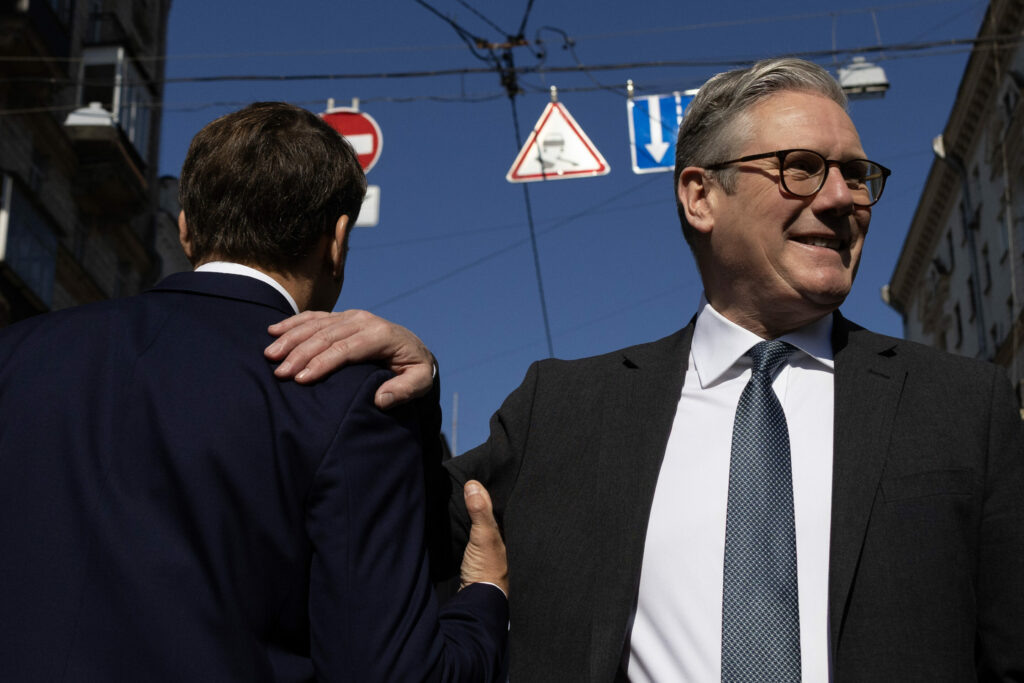
European leaders are hoping to announce a much-anticipated UK-EU security and defence agreement during Monday's summit in London. However disputes over fishing and mobility could still throw a spanner in the works.
UK Prime Minister Keir Starmer is hosting EU leaders at 10 Downing Street in the British capital on Monday as part of a wider rapprochement. The meeting aims to "foster a stable, positive and forward-looking relationship" with Europe.
Discussions will touch on security, defence, trade and foreign policy. Starmer is hoping to secure a new defence pact with the EU, which can also in turn help unblock dwindling trade relations.
These UK-EU summits have been helping reestablish foreign policy cooperation between the bloc and Britain, which reached its lowest point after Brexit. EU leaders António Costa, Ursula von der Leyen and Kaja Kallas will all travel to London to meet the British PM.
Beyond defence spending
Experts argue cooperation should go beyond just national defence spending. They are calling for an agreement with deep cooperation on defence funding, defence-industrial planning and longer-term geopolitical strategy.
These are all shared UK-EU challenges, and are seen as particularly important in light of the United States President Trump's move towards a more isolationist foreign policy.
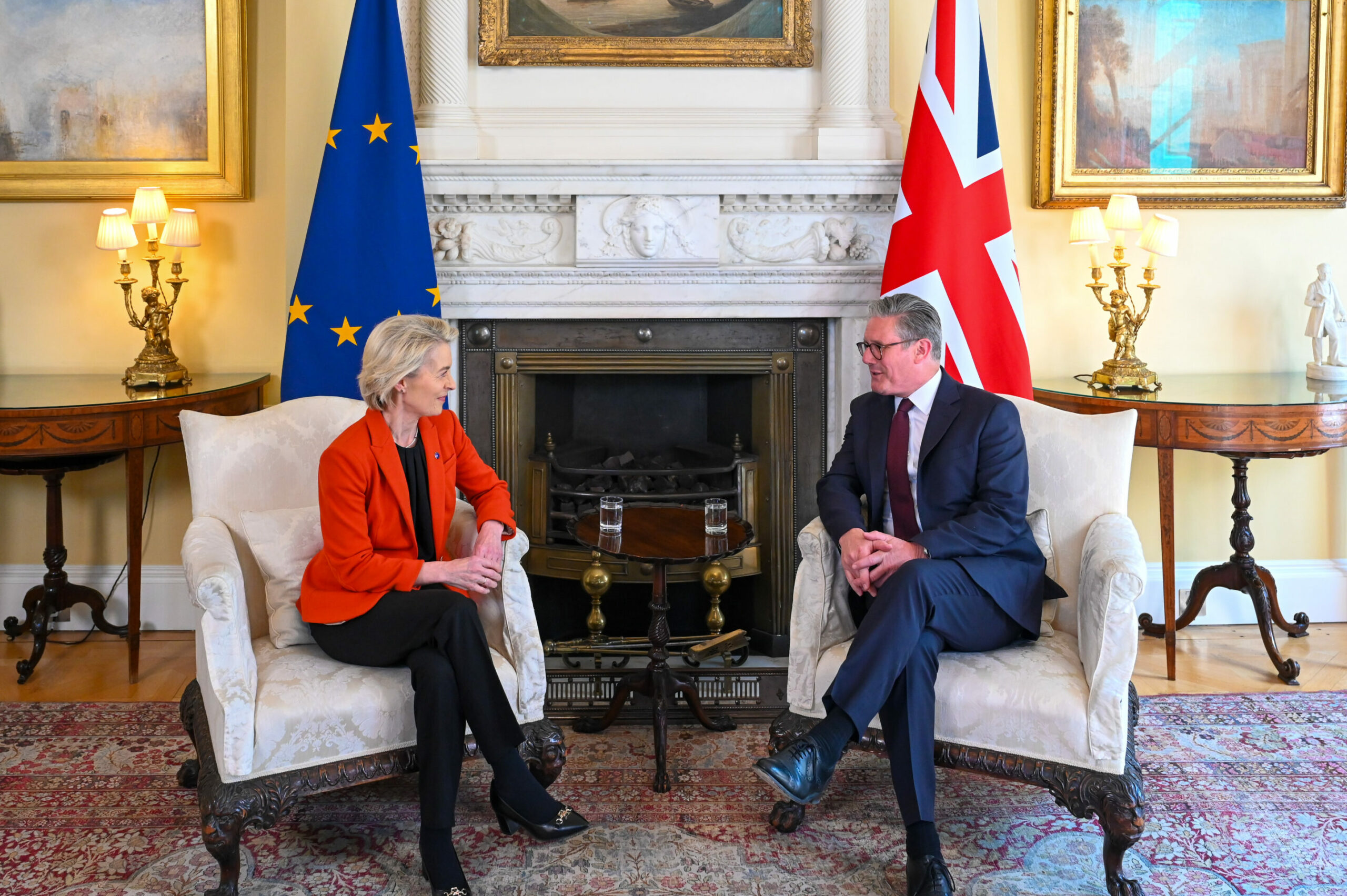
Ursula von der Leyen, on the left, and Keir Starmer, British Prime Minister, 24 April 2025. Credit: EU
It also comes amid wider questions over the ability for Brussels and London to set common foreign policy goals in light of the disruption caused by the Trump administration. This is argued by leading UK think tank Chatham House, who believes London should be included in EU defence procurement initiatives like ReArm Europe.
Fish fight
Both sides hope that clinching a security and defence deal will also open new paths on normalising trade relations. This week, Starmer told the Guardian that closer trade ties are a priority, but conflicting priorities on trade have made for less smooth sailing.
On Thursday, EU diplomats told the European Commission that the UK’s position on fishing and youth mobility are not acceptable despite weeks of intensive UK-EU negotiations. In return for lowering post-Brexit trade barriers, the EU wants long-term access to UK waters for its fishermen and fairly-priced university fees for its students.
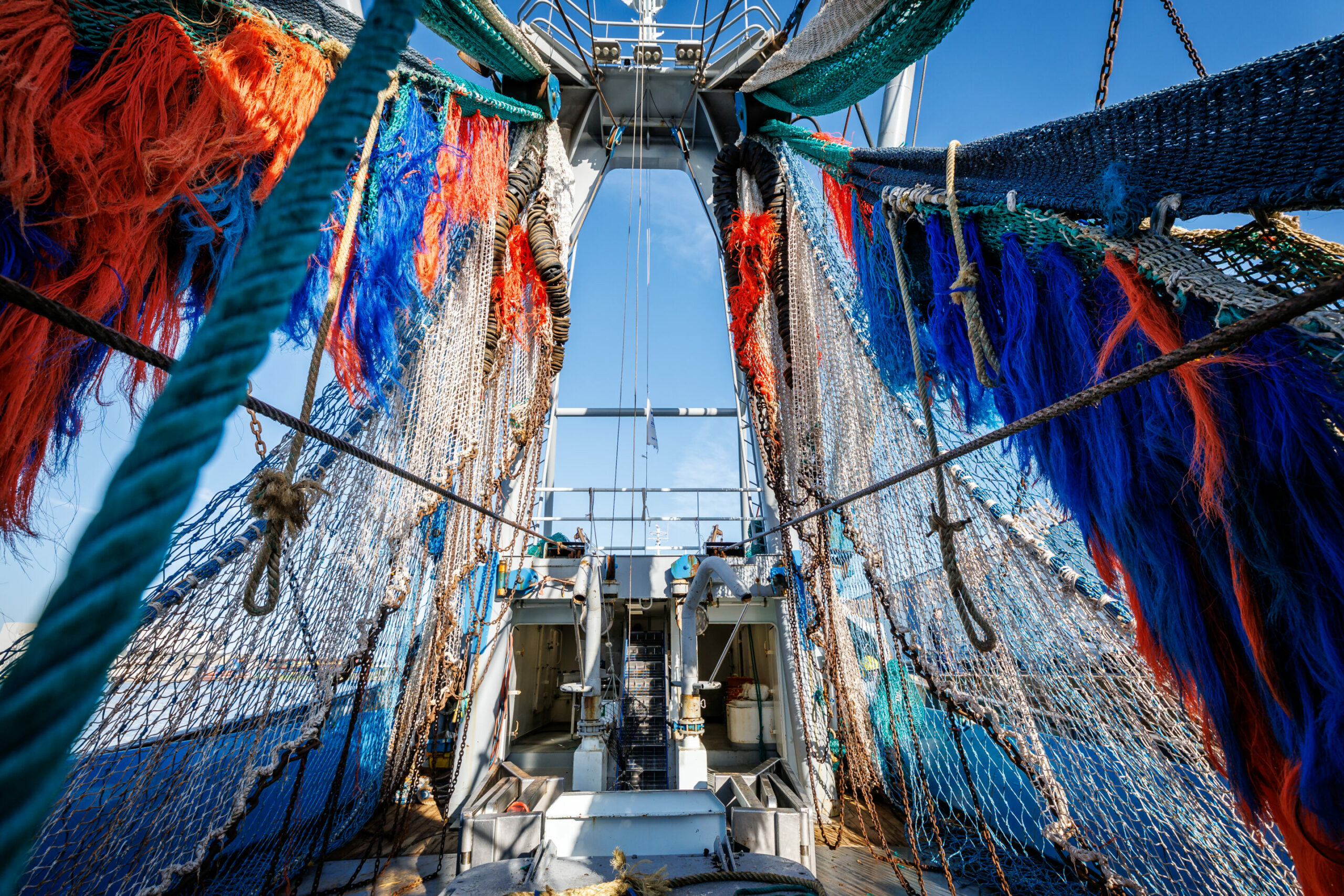
Picture taken during a visit to the 'Z.26 Avanti' fishing boat in Zeebrugge on Monday 14 April 2025. Credit: Belga/Kurt Desplenter
Cutting red tape would allow the transit of food exports between the two, something which British supermarkets have lobbied strongly in favour of as part of a new veterinary agreement, reports the Financial Times. This would also include an "appropriate" financial contribution from Britain.
London has only offered fishing access for a limited four years – deemed unacceptable to Brussels. If the UK does not grant long-term access to its waters, the bloc will push for a four-year time limit on cutting red tape for trade. This would not suit UK supermarkets, who would need long term guarantees.
Exchanges and mobility
Both the UK and EU have moved closer to agreeing on a youth mobility scheme, which would grant 18-30-year-olds to work, study or travel in each others’ countries.
The proposed scheme would not provide permanent residency or the right to claim benefits. The final number of available visas would also be capped at level acceptable for both sides.
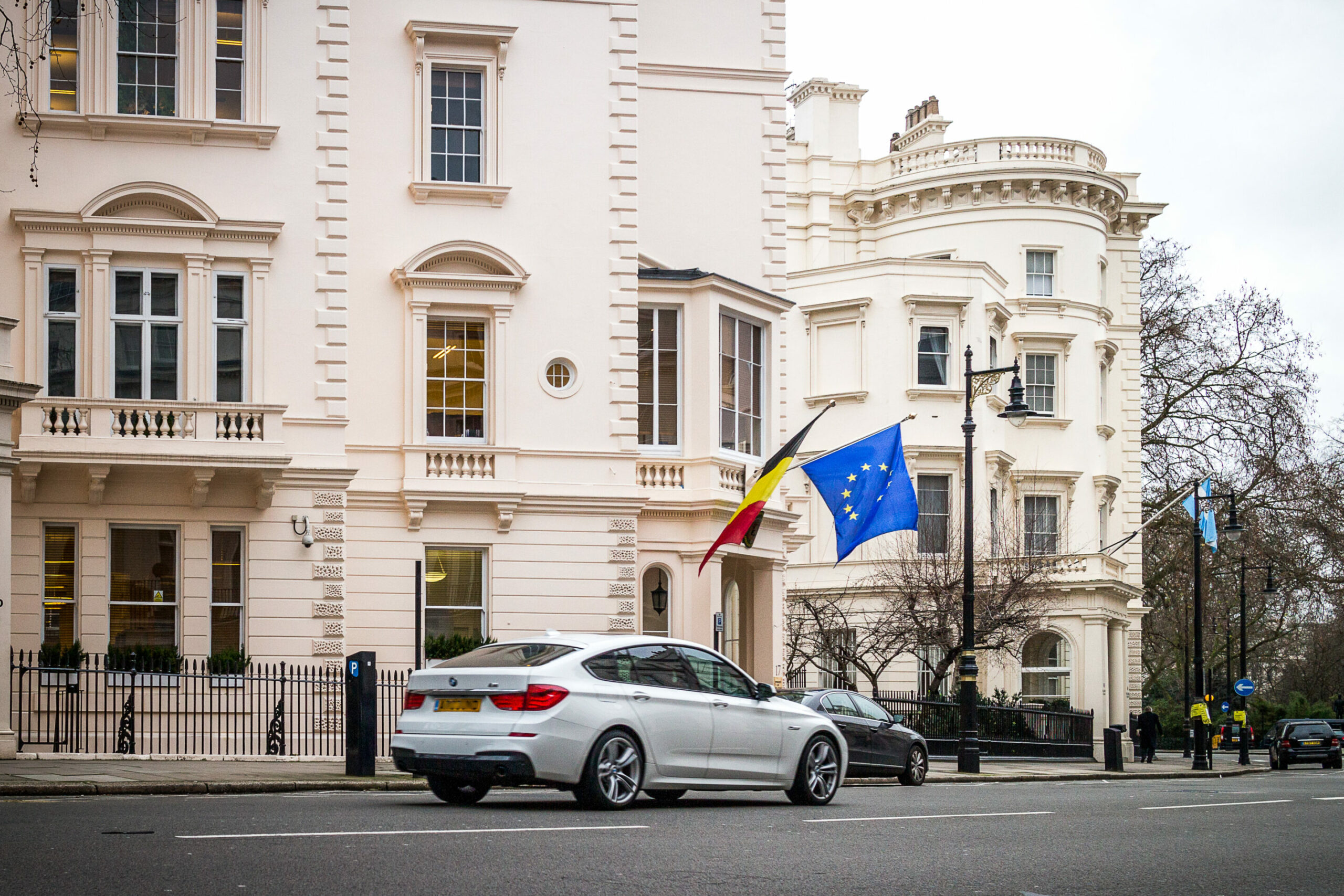
Embassy of Belgium in London, England, United Kingdom. Credit: Belga / Siska Gremmelprez
The EU wants students to pay the same price (over GBP 9,000) as their British counterparts, but London is pushing for much higher international fees usually paid by foreign students – claiming UK universities' rely on this money.
Other outstanding issues include the role of the International Court of Justice (ICJ). A draft EU text stated that a "dispute resolution mechanism with an independent arbitration panel that ensures that the ECJ is the ultimate authority for all questions of EU law".
However, the UK is insisting the role would be the same as in the Brexit withdrawal agreement, providing an opinion on the interpretation of EU law, but the ultimate decision would be with an arbitration body.
