
On the banks of the Maas river, amid the brick-and-steel remnants of Rotterdam’s maritime past, a remarkable new cultural landmark opened its doors to the public this week to celebrate migration through art.
Curators at the new Fenix say the new museum is a vessel of memory, a monument to movement, and a mirror to the stories that shape who we are.
Housed in what was once world’s biggest warehouse, a goods station for the Holland-America Line, its main exhibition areas are spread over the very same quays where countless Europeans once boarded steamers in search of a new life.
"These docks witnessed the departure of millions of people, including Albert Einstein, actor Johnny Weissmuller and artists Willem de Kooning and Max Beckmann," said Anne Kremers, the museum's director.
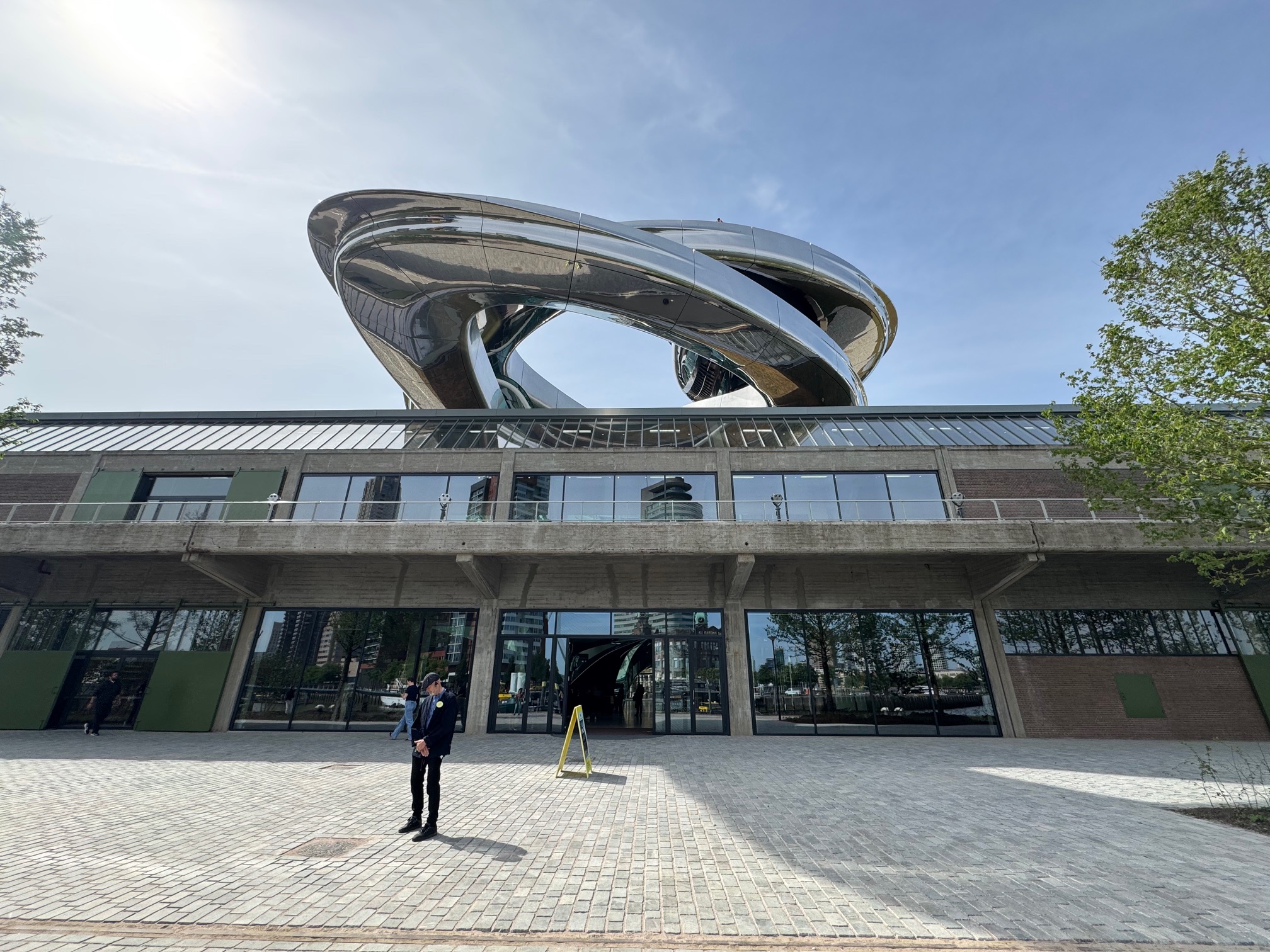
Fenix museum in Rotterdam
Rotterdam, which is still one of Europe’s great port cities, is just a 69-minute train ride from Brussels. Like Antwerp, on the other side of the Zeeland fingers, it has played a similar role in ferrying freight and people to far-flung places.
It is a spectacular site: the massive building is topped with a swirling, silver staircase emerging from the roof. Designed by acclaimed Chinese architect Ma Yansong, this spiralling fixture is likely to become a symbol for a city that is already bursting with audacious architecture.
This architectural gesture is no gimmick. It captures the museum’s central theme: the upward, outward, and often tumultuous movement that defines the migrant experience. From the rooftop, visitors will be able to see the Hotel New York, the former headquarters of the Holland-America Line.
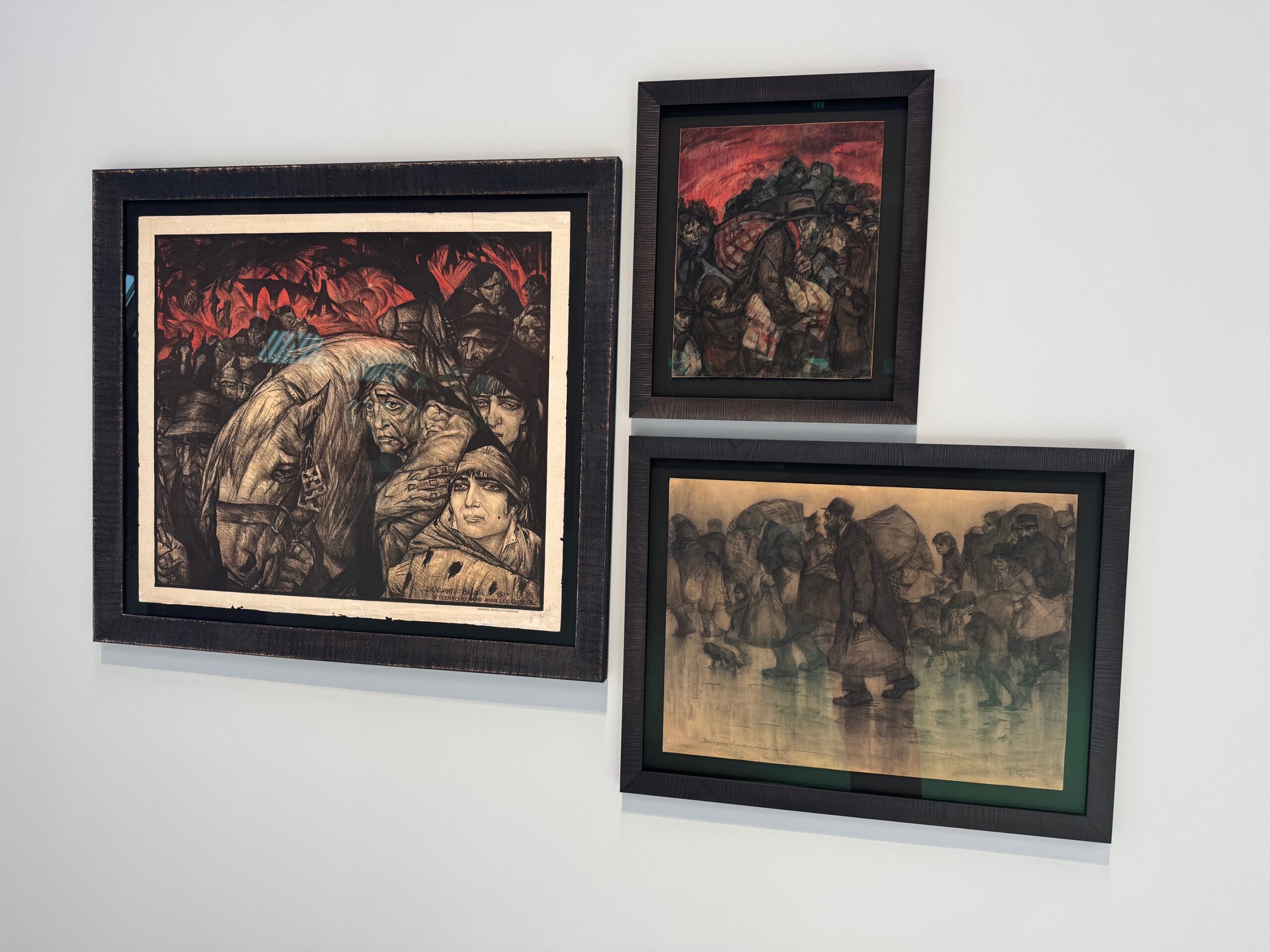
Ttriptych by Dutch painter Leo Gestel of refugees fleeing Belgium in 1914 after the First World War.
Fenix casts its net wide—showcasing art and artefacts about migrations across continents and centuries. The inaugural exhibition, All Directions: Art That Moves You, features a specially-created neon installation by Steve McQueen, a portrait of the much-travelled Low Country philosopher Erasmus by Hans Holbein, a turn of the century poster from the Red Star Line ferries that carried millions from Europe to North America, and a triptych by Dutch painter Leo Gestel of refugees fleeing Belgium in 1914 after the First World War began.
It is also interspersed with a collection of personal mementos, gathered from the people of Rotterdam and telling individual stories of migration, alongside important historical artefacts such as a section of the Berlin Wall, a migrant boat from Lampedusa and a Nansen passport from 1923.
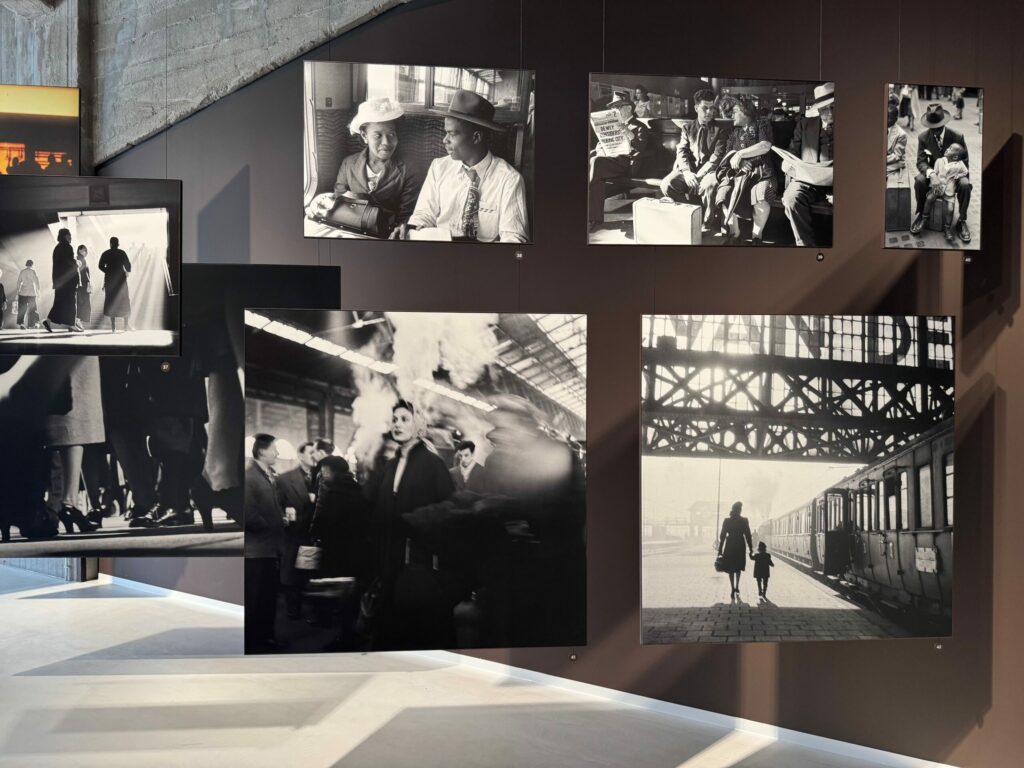
Complementing this is ‘The Family of Migrants, a photographic exhibition inspired by Luxembourg photographer Edward Steichen's 1955 show ‘The Family of Man’, showcasing 194 photographs from 55 countries, capturing the universal experiences of migration.
