

Cancer remains one of Europe’s most pressing health challenges. According to the European Cancer Information System (ECIS), nearly one in four women and one in three men in Europe are expected to receive a cancer diagnosis before the age of 75. What’s more, cancer rates among adults are on the rise, according to the World Health Organisation. This represents a growing unmet need for new and improved treatment options. Organisations across Europe are stepping up to this challenge.
Daiichi Sankyo, a global pharmaceutical company with roots in Japan, is working to help address this challenge. Known for its agile approach and strong commitment to science-driven innovation, the company has made oncology its primary strategic focus. Though it is also active in other therapeutic areas, such as cardiology, oncology is its defining priority.
Powered by Japanese values, Daiichi Sankyo operates on the principles of long-term thinking, precision, and responsibility. This ethos influences how the company approaches science, patient engagement, and partnerships. The firm’s approach is guided by three core values: Innovation, integrity, and accountability. These principles shape both its internal decision-making and its collaboration with external partners.
Daiichi Sankyo is dedicated to bringing innovative therapies to as many patients as possible, and as quickly as possible. Its approach builds on more than 40 years of experience in oncology and a commitment to advancing scientific knowledge and care delivery. In the past three years alone, more than 33,000 people in Europe have been treated with Daiichi Sankyo’s oncology therapies. By 2030, the company aims to reach nearly 400,000 patients globally.
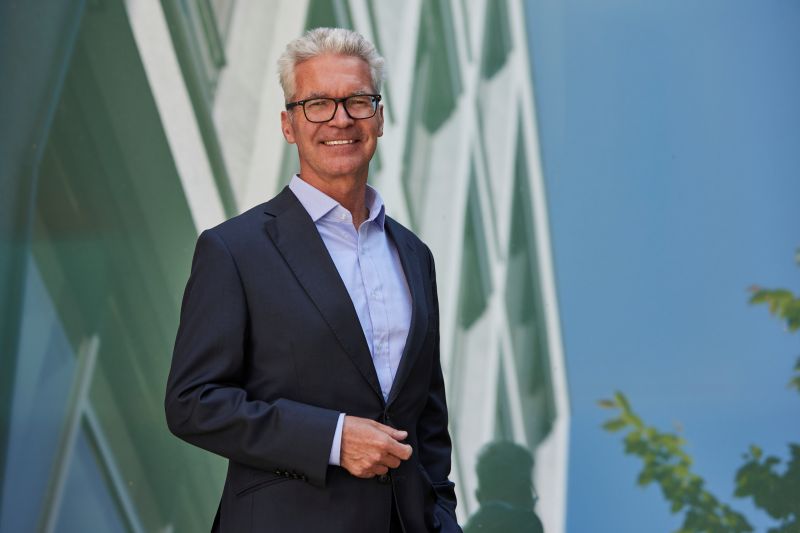
Markus Kosch, Head of Oncology Business Division Europe and Canada at Daiichi Sankyo
Putting patients at the centre
“Our values place patients at the forefront of decision-making to help shape the future of cancer care,” says Prof. Markus Kosch, Head of Oncology Business Division Europe and Canada at Daiichi Sankyo. “This means we actively involve patient communities throughout the development process. This includes involving patients in the design of clinical studies and shaping how outcomes are measured.”
In Europe, this includes working with over 40 patient advocacy organisations. Through dialogue with focus groups and advocacy organisations, the company listens directly to patient needs and tailors its research to deliver meaningful improvements in quality of life for patients across Europe.
Daiichi Sankyo organises patient advisory boards for study protocols, consultations on endpoints for quality-of-life studies, and co-develops preference studies in areas such as breast and lung cancer.
Innovation through ADCs
Since 2010, Daiichi Sankyo has maintained a significant focus on a class of cancer therapies known as Antibody Drug Conjugates (ADCs), a cancer therapy that delivers medicine directly to tumour cells. These treatments are designed to deliver cancer-targeting medicines directly to tumour cells by combining two key elements: an antibody that can find and bind to cancer cells, and a chemotherapy medicine that is released once inside the cell. This aims to target cancer more precisely, potentially reducing the impact on healthy parts of the body.
Alongside other personalised or targeted therapies like CAR-T cell treatments or cell and gene therapies, this technology is believed to have the potential to transform cancer care.
The company is now improving how ADCs function, so they are more stable in the bloodstream and only release their treatment once they reach the cancer cell. Some of these ADCs are also designed to act on nearby tumour cells, not just the ones they directly target.
By 2030, Daiichi Sankyo aims to have five different ADC therapies approved for use in more than 30 types of cancer. To support this, it is running over 60 clinical trials across Europe and Canada in areas including breast, lung, ovarian, gastric and colorectal cancer.
Stronger together
“At Daiichi Sankyo, we believe in being ‘Stronger Together.' In practice, this means working with a wide range of partners including healthcare providers, policymakers, and industry peers,” says Kosch.
Strategic alliances with companies such as AstraZeneca and MSD help expand the reach of development programmes and increase participation across the globe. At the same time, the company engages with policymakers to shape a regulatory environment which will favour innovation and support quality of care in healthcare systems.
Daiichi Sankyo works with EU decision makers to advocate for frameworks that support innovations and foster the conditions for more sustainable healthcare delivery. The company is active within the European Cancer Organisation and the European Policy Centre.
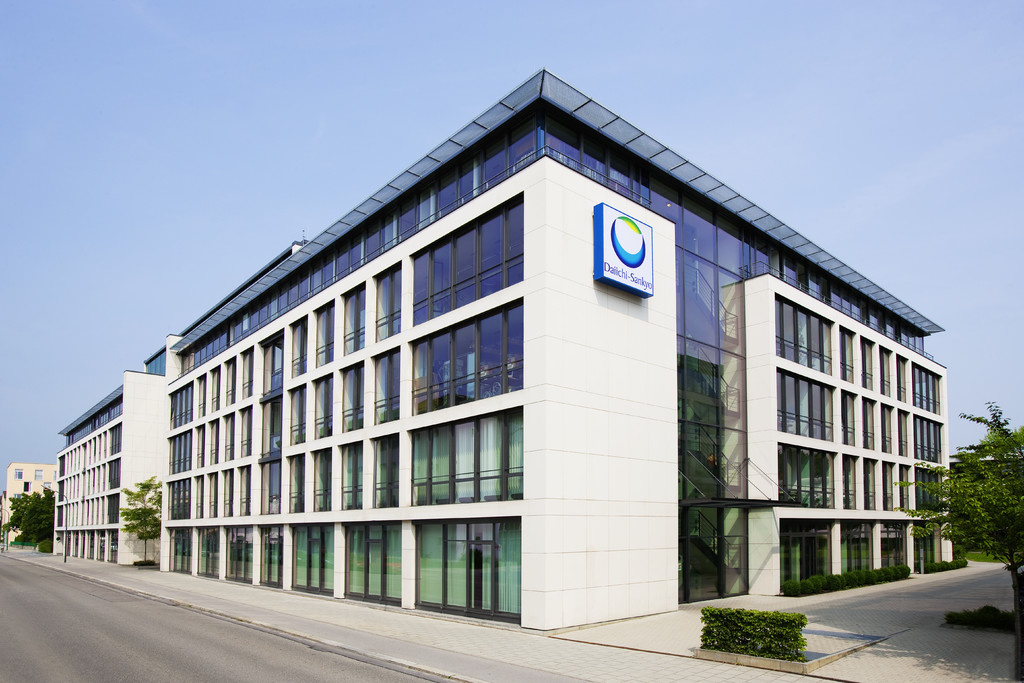
Daiichi Sankyo European headquarters in Munich
Investing in Europe
Europe has long been an important focus for Daiichi Sankyo. The company operates affiliates in 14 European countries and employs nearly 3,000 people across the continent. Its European headquarters are based in Munich, Germany. A major part of its long-term regional investment is a €1 billion expansion of its production and development site in Pfaffenhofen, Germany, which is set to create 350 new jobs by 2030.
This site plays a key role in developing, producing, packaging and distributing oncology medicines for Europe and beyond. It contributes to the stability of the global oncology supply chain and allows the industry to adapt to increasing demand. The Pfaffenhofen site is expected to become an international innovation and distribution centre for cancer therapies, with a particular focus on ADCs.
Powered by 100% green electricity, the site is a leading example of sustainability in the oncology sector, receiving further sustainability upgrades such as the installation of a biomass-based steam generation system.
Looking ahead
Daiichi Sankyo is committed to its mission of improving quality of life through innovative medicines.
“Our company’s perspective is summarised in its guiding motto: ‘Passion for Innovation. Compassion for Patients.’ It is a reflection of Daiichi Sankyo’s ongoing work to help shape the future of cancer care through collaboration, focus, and a strong commitment to patient centricity,” says Kosch.
The coverage of this topic has been made possible with the support of Daiichi Sankyo, while all research and writing were conducted by The Brussels Times
