
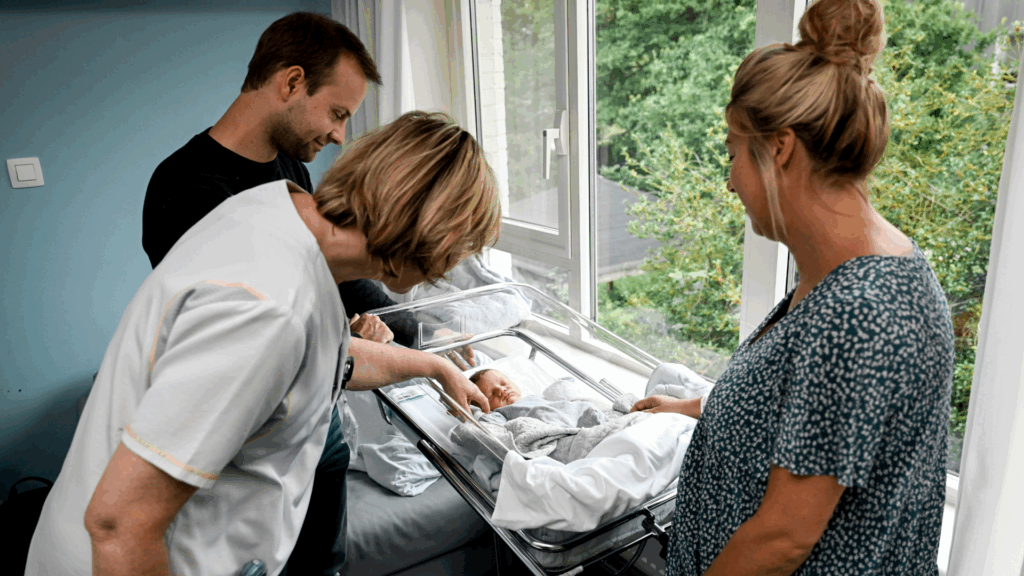
Navigating through bureaucracy is complicated enough on regular days let alone in the face of major life changes.
When a baby is born, the last thing many want to do is work out the bureaucracy involved in declaring the incidents to their local municipality.
The Brussels Times has put together an overview of the steps needed to deal with the inevitable paperwork that comes with registering a birth in the Region.
Declaring a birth
When a baby is born in Belgium, a notification of the birth must be made by informing the civil registrar. This step is typically the responsibility of the hospital where the baby was delivered, or the midwife, doctor, or person present during a home birth. This is done up to the first working day after the delivery.
Following the delivery, parents have to register or declare the birth in the municipality their child was born in. This is done at the commune's Office of the Registrar or Service de l'Etat civil. Parents have 15 days to complete this step. This counts weekends and public holidays.
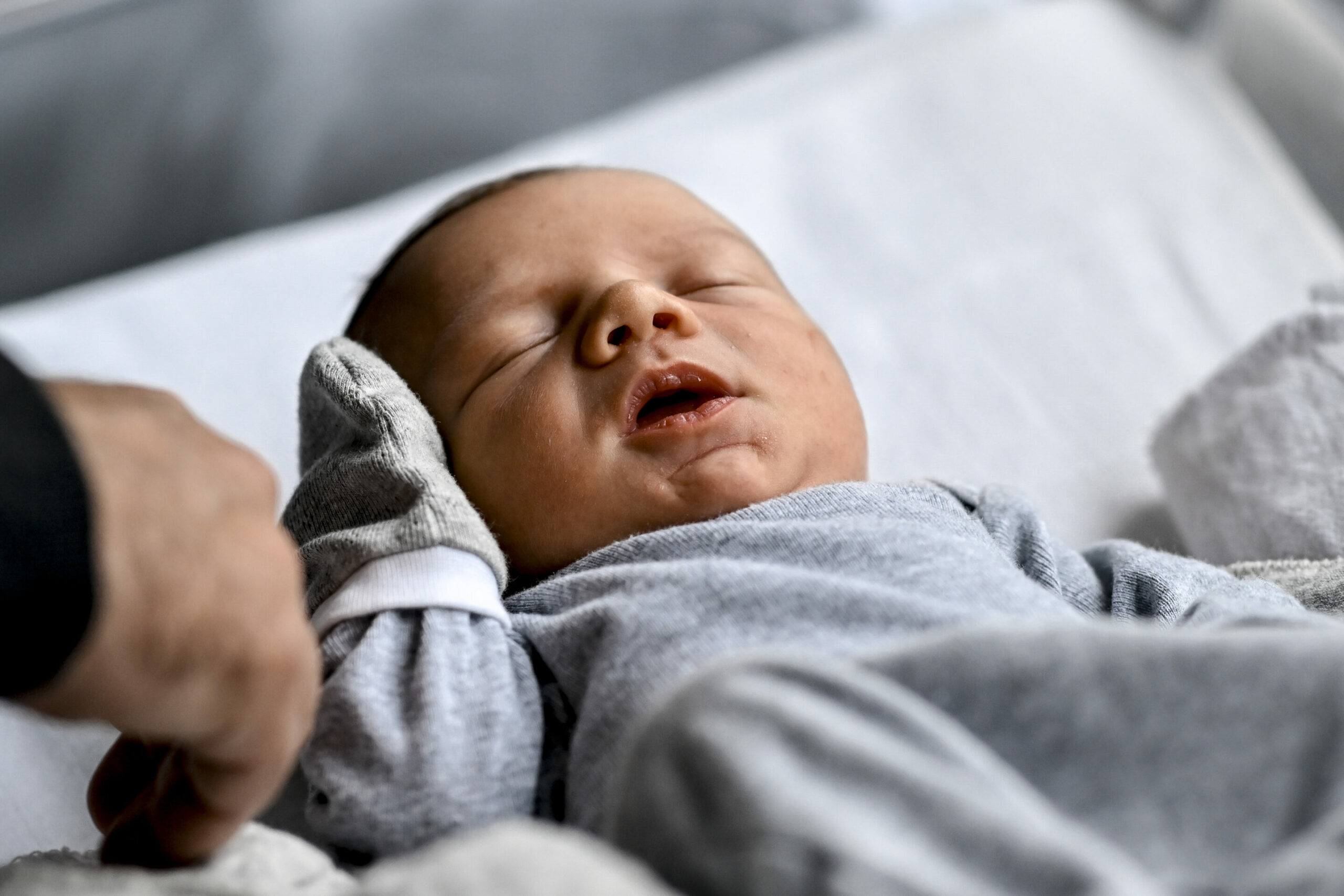
A baby in a maternity department. Credit: Belga/Dirk Waem
In certain municipalities, parents can instead register the birth at the maternity hospital. This procedure is typically the same as registering the birth at the municipality.
During the registration, parents should bring the birth certificate that was issued by the hospital or midwife, their identity cards, and a marriage certificate or a declaration of paternal recognition.
Once the registration is complete, parents will receive several birth certificates which they will need to save to apply for social services including child benefits or mutual health insurance, for example.
If a child is born in a municipality that differs from where the parents reside, the civil registrar where the baby was born will notify the other municipal authority.
What's in a name?
Along with declaring a birth, comes naming the baby. When it comes to first names, Belgian law allows parents to freely pick their child's name.
However, this can be rejected by the registrar in certain cases. This includes if the first name is confusing, if the name could harm the child by being offensive for example, or if the first name could harm third parties, in the event where an existing family name is used as a first name for example.
Parents are allowed to appeal the decision in a civil court if they disagree with the registrar.
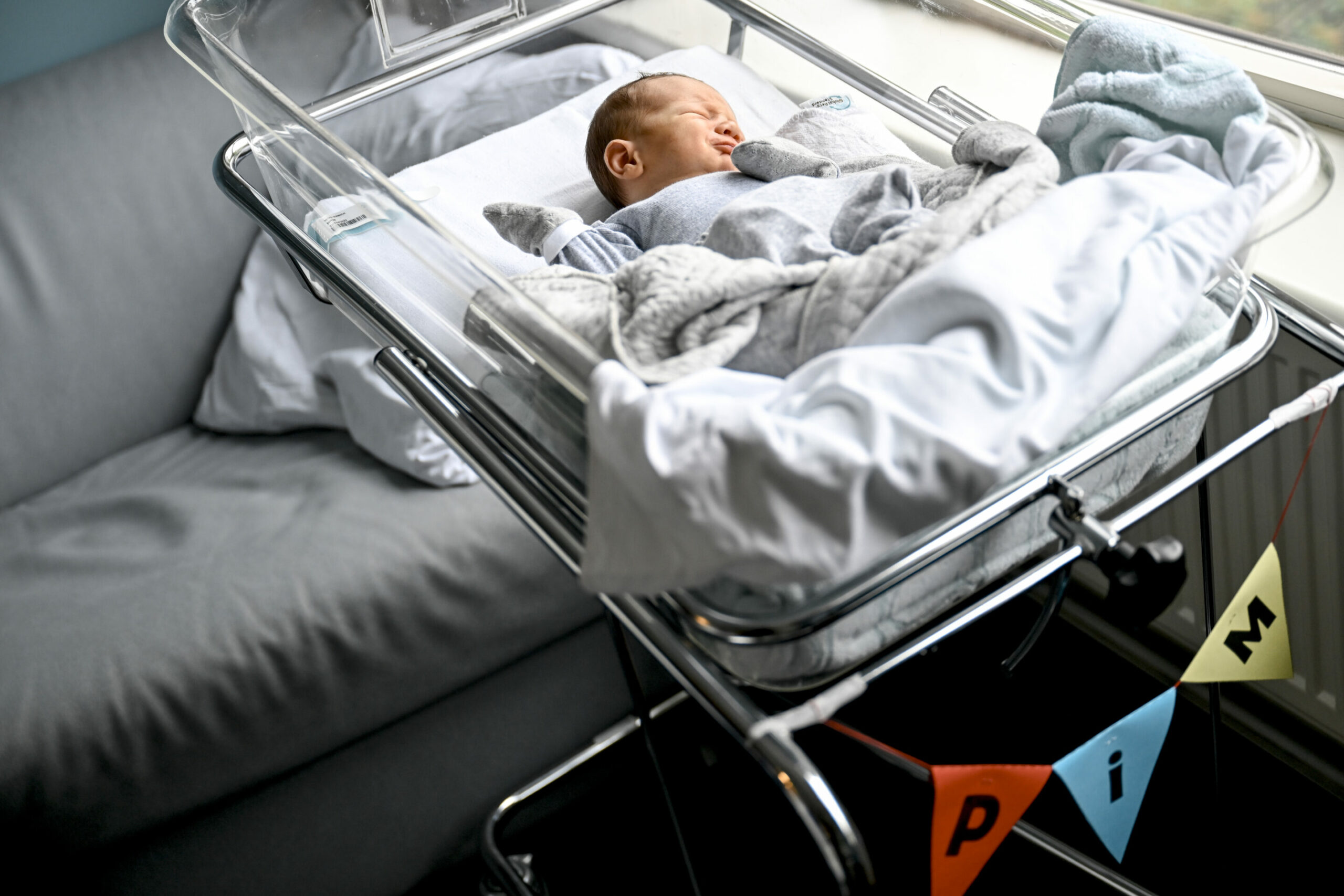
A baby in a hospital crib. Credit: Belga/Dirk Waem
The rules for surnames are slightly more complex. Since 1 June 2014, when officially declaring the birth, parents can give their children the surname of the father or co-parent, the surname of the mother, or a combination of both surnames.
If parents disagree with the surname, the child will have the surname of the mother and the father or co-parent in alphabetical order. Each parental figure gets one surname passed down. In case a parent has multiple surnames, they can pick which one is passed on to their child. The same rules apply to adoptive parents.
Typically, the choices for the surnames will be applicable to children born subsequently to the same couple.
Feet of a baby. Credit: Belga/Dirk Waem
For children with multiple nationalities, parents can choose to follow the legislation connected to their child's nationalities instead of the Belgian rules. This can be done by making a declaration of the choice before the registrar at the time of the registration of the child.
More details on the rules for naming a baby in the country can be found online on the Ministry of Justice's website.
