
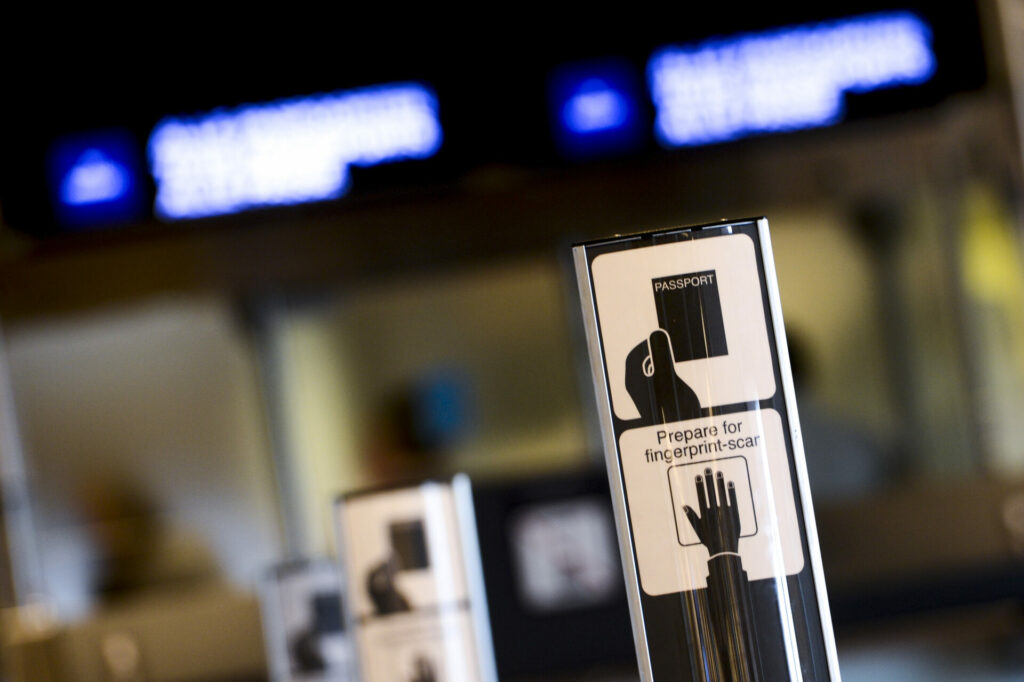
The EU's Entry-Exit System (EES) will gradually be rolled out at the European Union's external borders over the coming 180 days – aiming to improve security, speed up the border check process, and reduce queues.
Under the EES, non-EU nationals will have to register data (for the first time, this will include their biometric information such as fingerprints and facial scans) at the border when entering and leaving the Schengen area on short-stay visas.
"This agreement on the Entry-Exit System marks an important step towards making the EU's external borders more secure and ensuring that legitimate travellers do not face unnecessary hurdles," said Belgian MEP Assita Kanko (ECR).
MEPs aimed to "allow the system to be put in place as soon as possible," she said. "Now we call on the remaining Member States to finish their preparations and issue declarations of readiness, so that the roll-out can begin in earnest."
Gradual roll-out
With the new system, physical stamping of passports will be replaced by entries in the EES, to be accessible for real-time consultation by other Schengen area member states, in line with their security needs.
The idea behind gradual implementation over 180 days is to prevent a simultaneous launch in all countries from compromising the system. "During the roll-out period, the launch could be temporarily suspended if waiting times become too long or there are technical issues."
The European Parliament and the Council of the EU adjusted the Commission's original proposal for the plan's timeline: 10% of crossings must be recorded in the system by the 30th day (instead of the first day) and 35% (as opposed to 50%) by the 90th day.
The idea is to ramp up implementation exponentially, making up for a slow start with faster progress later.
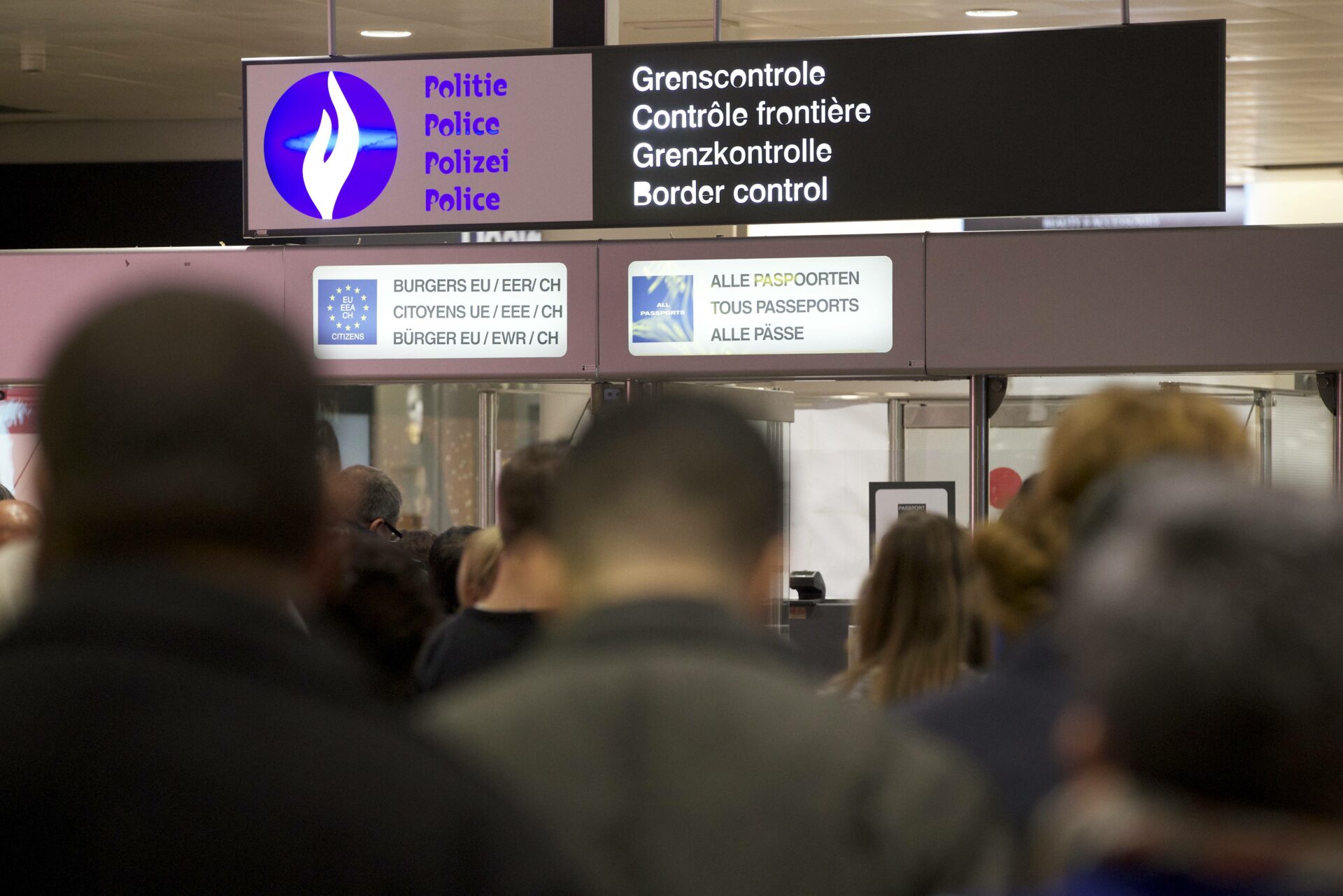
Credit: Belga / Nicolas Maeterlinck
MEPs succeeded in negotiating contingency measures in case of problems with the system's central roll-out, and improved coordination between the central and national plans.
It was also agreed that the gradual roll-out should remain voluntary, meaning that EU countries can still roll the system out all at once, if they prefer. Finally, MEPs ensured that missing entries in the EES cannot be the only justification for a decision adversely affecting a traveller.
Now, the agreement still needs to be adopted formally by both the European Parliament and the Council of the EU. On the Parliament side, this means first a Civil Liberties Committee vote, followed by a plenary one. Once the legislation has entered into force, the Commission will decide when to launch the 180-day roll-out period.
