
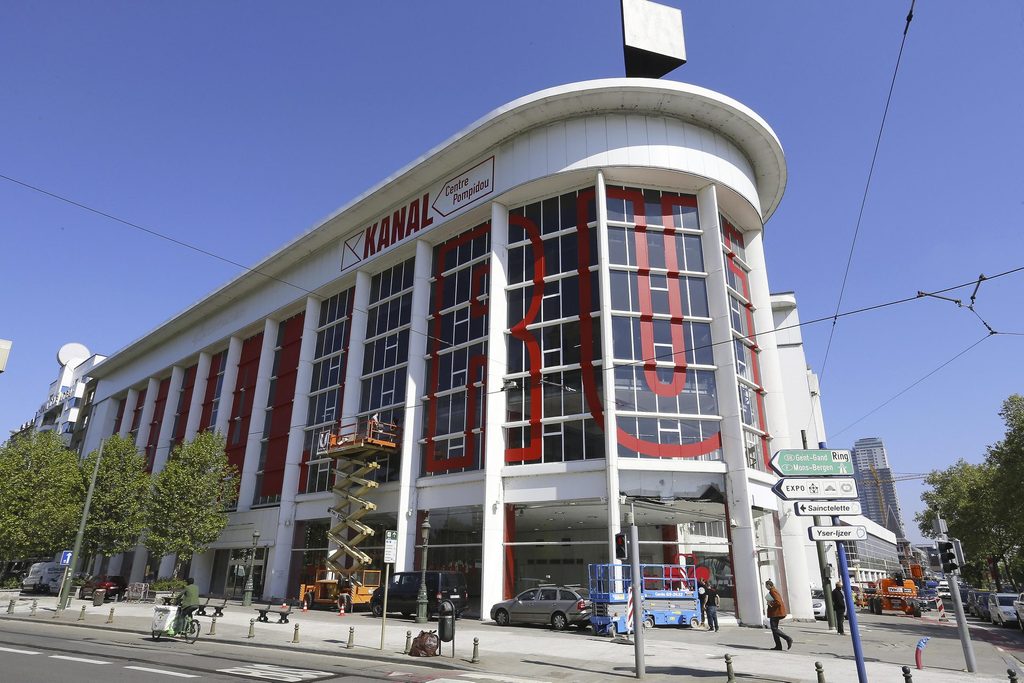
KANAL-Centre Pompidou, the new museum located in the former Citroën garage along the canal in Brussels, is set to officially open its doors to the public in November 2026.
The opening was announced by director Yves Goldstein during a press site visit on Tuesday. The future museum of contemporary and modern art will include exhibition spaces and ample open areas accessible to Brussels residents and Belgians.
With exhibition spaces totalling 40,000 square metres, KANAL is poised to become one of the largest museums in Europe.
The museum is scheduled to open to visitors on 28 November 2026. “Exactly one and a half years before the opening, we’re here today at the KANAL site,” said Dieter Vanthournout, the museum spokesperson.
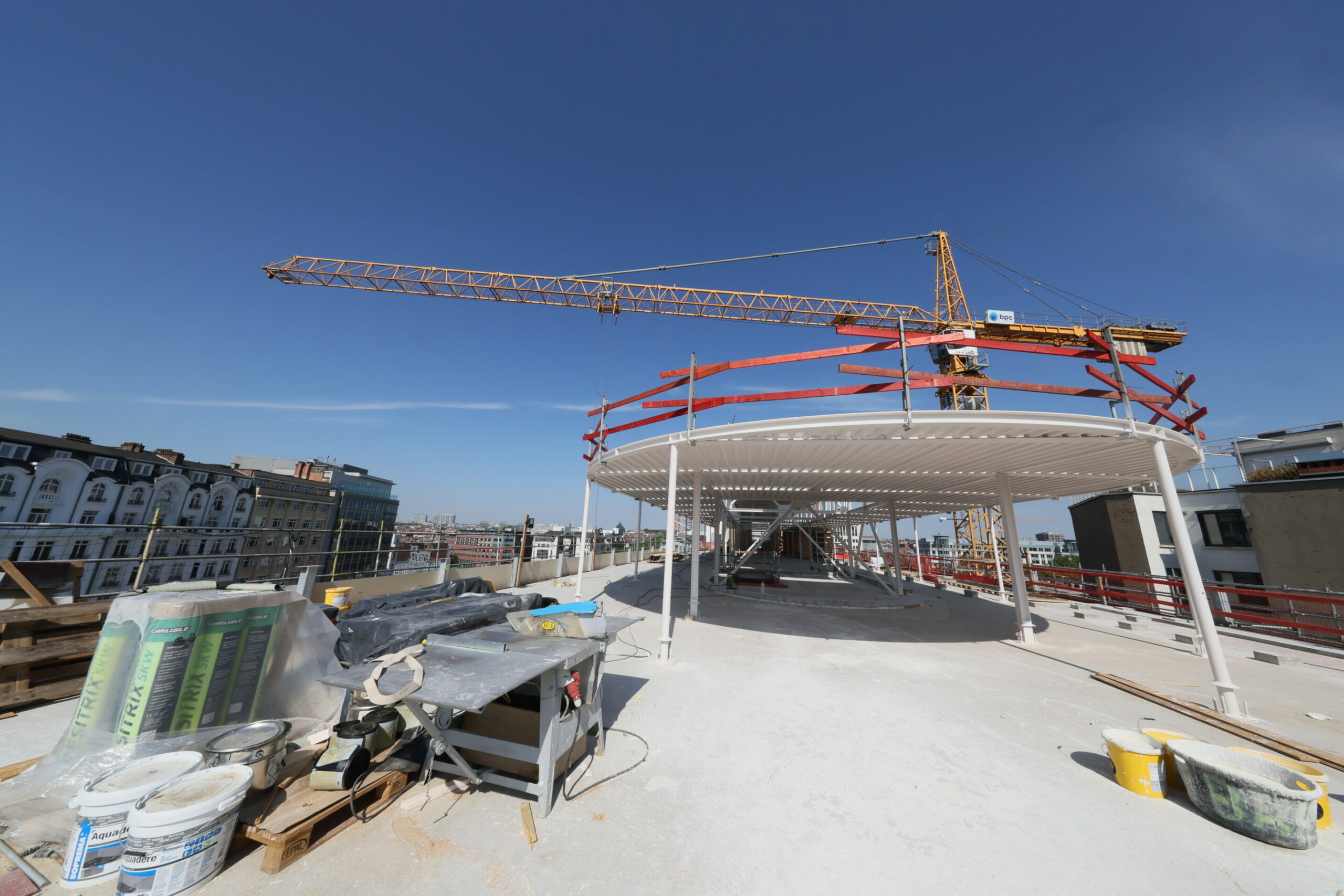
View from the roof during a visit to the construction works at the Kanal - Centre Pompidou museum in Brussels on Tuesday 20 May 2025. Credit: Belga / Benoit Doppagne
“We aim to retain as much of the original Citroën garage design as possible, though some modifications have been necessary for practical reasons, such as displaying Picasso paintings and addressing climate control.”
KANAL is envisioned as "an extension of the city." "That’s certainly how we envisage it," the spokesperson continued.
"The museum’s four entrances will always be open for visitors wishing to study, read, or simply have a drink. They can then choose to purchase a ticket for an exhibition or dance performance, and ‘clubnights’ will also be held."
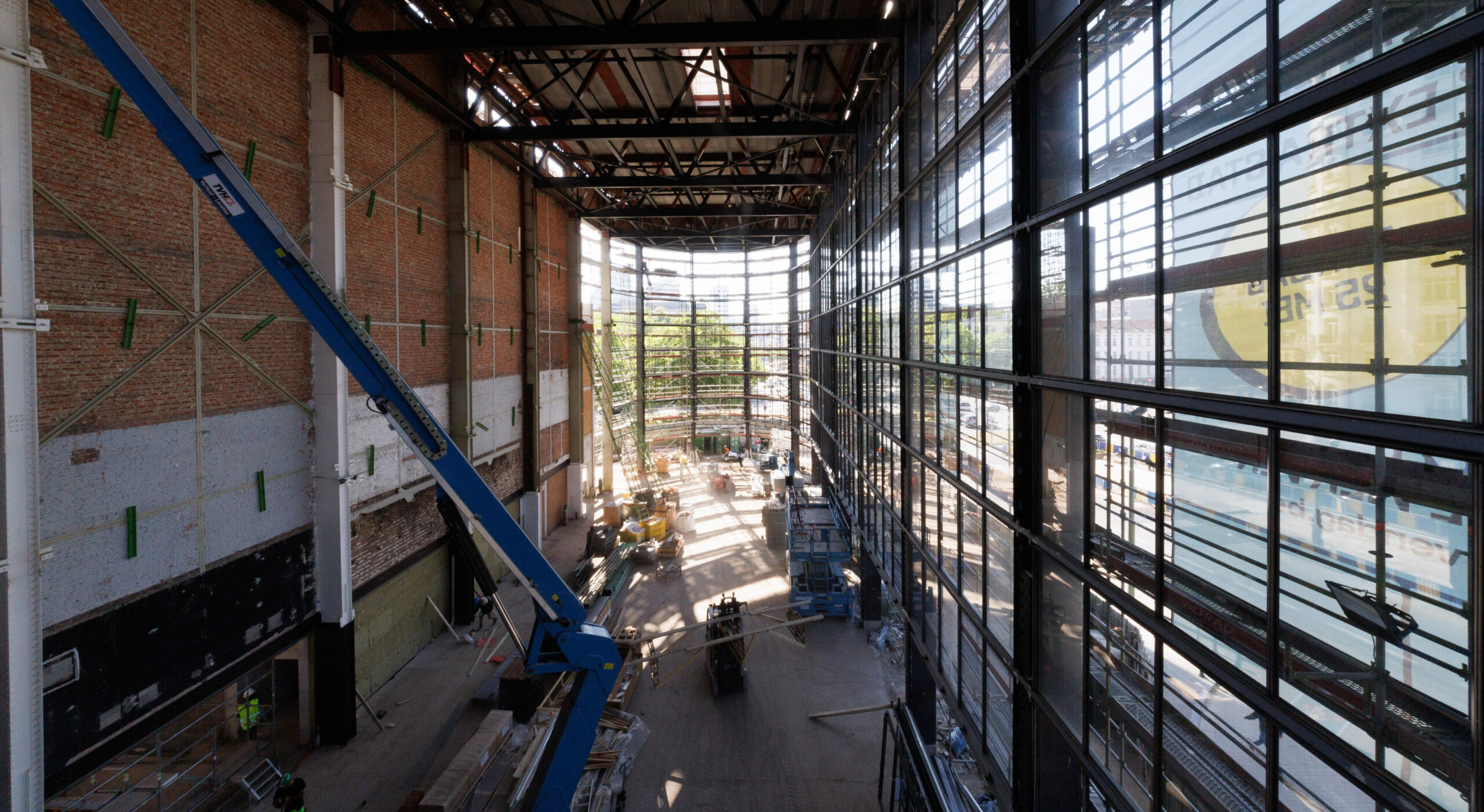
Illustration taken during a visit to the construction works at the Kanal - Centre Pompidou museum in Brussels on Tuesday 20 May 2025. Credit: Belga / Benoit Doppagne
Yves Goldstein is confident that the museum will add value to the capital. “We don’t want KANAL to be a traditional museum,” Goldstein explained. "We aspire to create a museum where a majority of the space—more than half of the total area—is publicly accessible. It should be a ‘city within a city.'"
The total budget for the museum is estimated at approximately €230 million.
"The initial investment of 150 million euros has been impacted by inflation, VAT, and rising construction material costs. We ultimately anticipate a total cost of €230 million, far below the budget estimates of €400 to €500 million that have been discussed."
