
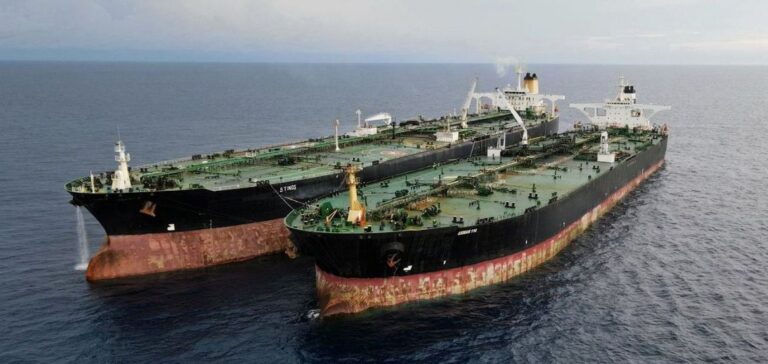
The 27 EU Member States gave the green light for a 17th set of sanctions against Russia on Tuesday, targeting 189 additional vessels of the Russian "ghost fleet."
The Russian "phantom fleet" is made up of uninsured old tankers flying various flags of convenience, which enable Moscow to circumvent international sanctions such as the ceiling on the export price of Russian oil. These ships also pose a threat to maritime safety and the environment. A total of 342 vessels are now listed.
"The more Russia pursues the war, the tougher our response will be," said Kaja Kallas High Representative of the European Union for Foreign Affairs and Security Policy, when announcing the Member States' approval on social networks.
The sanctions package also lists 31 new companies that support the Russian military-industrial apparatus or circumvent the sanctions. These include 18 companies based in Russia and 13 based in third countries (six in Turkey, three in Vietnam, two in the United Arab Emirates, one in Serbia and one in Uzbekistan). Chemical precursors used in missile propulsion have been added to the list of dual-use goods banned from export.
Chemical weapons
The EU-27 also sanctioned three Russian institutions involved in the development of chemical weapons used on the front line in Ukraine. The United States has established that Russia used chloropicrin, a suffocating agent, against Ukrainian troops, as well as riot control agents as a method of warfare, in violation of the Chemical Weapons Convention (CWC).
The EU is adding a further 17 individuals and 58 entities to its list of sanctions (asset freeze, travel ban), mainly in the military sector, but also for looting cultural heritage or for activities in the occupied Ukrainian territories.
In parallel decisions, the EU is imposing sanctions on 28 individuals responsible for human rights violations, repression of democratic opposition and breaches of the rule of law in Russia. Several are part of the judiciary that prosecuted Alexei Navalny, an opposition figure to Vladimir Putin who died in February 2024 after a long prison sentence in Russia.
The EU is also listing 21 additional individuals and six entities for their destabilising activities against the EU. The Council will now be able to suspend the broadcasting licences of Russian media controlled by Russian leaders and ban them from broadcasting their content in the EU. The pro-Russian media Voice of Europe is among the entities listed, as are pro-Russian media executives operating around the world.
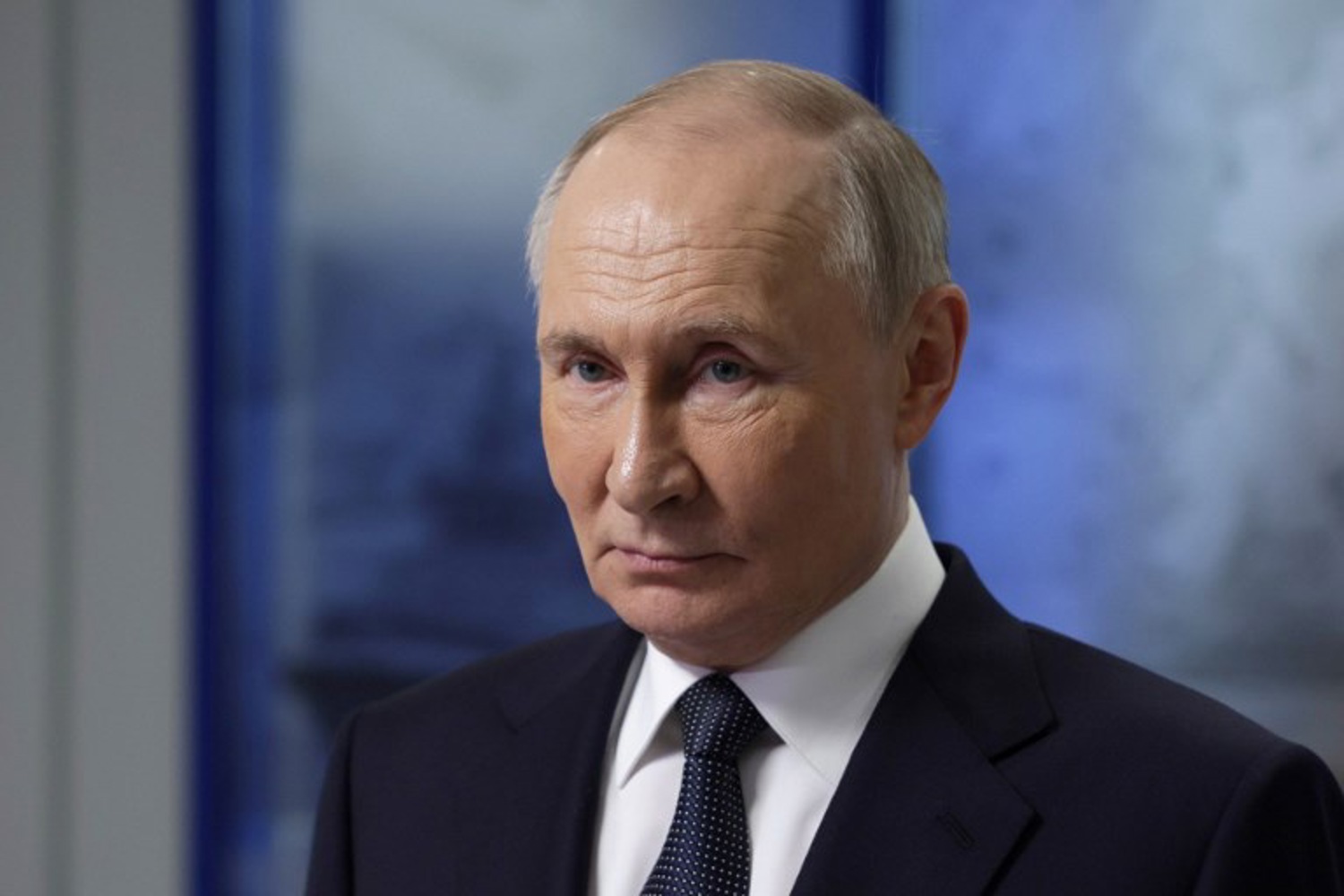
Russian President Vladimir Putin. Credit: Belga / AFP
New sanctions are being prepared because of Putin's persistent silence in response to calls for a ceasefire in Ukraine: the banning of Nord Stream, the two gas pipelines linking Russia to Germany via the Baltic, is being considered to dissuade investors from attempting to (re)commission them. A lowering of the crude oil price ceiling imposed on Russia is also on the agenda. This point is due to be discussed first by the G7.
The EU is defending its sanctions strategy by stressing its impact on the Russian economy, which it believes is overheating.
"Russia is now selling at a discount and buying at a premium. The Russian economy is operating close to full capacity and has to cope with high and rising inflation, currently over 10% and estimated at 9.3% in 2025, far exceeding its target of 4%. The government deficit is soaring and interest rates are reaching 21%," said the EU.
"Russia is constantly trying to escape sanctions. This is clear evidence that these measures are having an impact."
