
Belgium could seize a significant budgetary opportunity by phasing out its overdependence on fossil fuel subsidies, according to the European Commission’s annual socio-economic recommendations for Member States, released on Wednesday.
Official data shows that direct federal subsidies for fossil fuels constitute 2.4% of Belgium’s GDP, amounting to around €12 billion annually. This makes Belgium the fourth most generous EU country in this regard, with the construction and transport sectors being the primary beneficiaries.
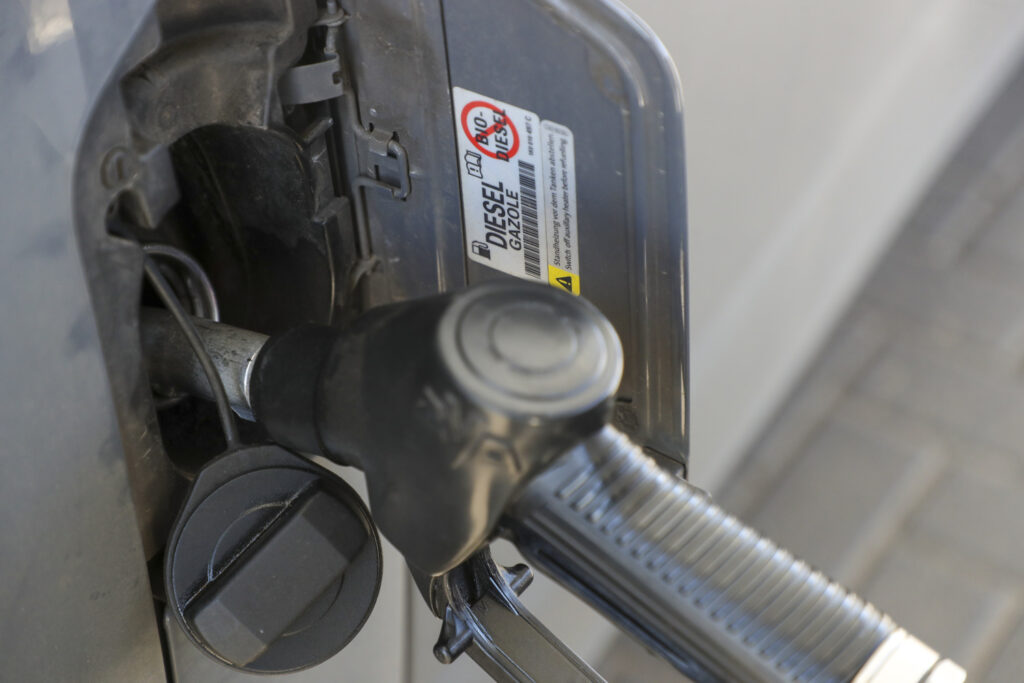
The subsidies include reduced excise duties on heating oil or professional diesel, reduced VAT on gas, and the fuel card system. The European Commission criticises them as economically inefficient, arguing they maintain the country's dependency on fossil fuels and hinder its climate commitments.
Phasing out fossil-fuel subsidies could help reduce budget deficits, European Commission says
A gradual phase-out could not only drive the transition towards renewable energies but also create budgetary room to reduce the deficit and balance public finances, the Commission suggests.
“As we consider the essential consolidation effort, addressing these significant federal fossil fuel subsidies could significantly help solve the issue,” an institutional source said.
European budgetary rules require Belgium to reduce its public deficit. The federal government has implemented reforms to pension systems, taxation, and long-term unemployment, but has not yet committed to tackling fossil fuel subsidies.
The Commission also addresses the labour market in its recommendations. While Belgium is average compared to other EU countries concerning labour shortages and skills mismatches, significant regional disparities exist. The Commission urges Belgium to boost adult training efforts, especially with regard to the green and digital transitions. The low participation rate in continued training is seen as hindering essential career transitions.
Recovery and Resilience Facility
Belgium’s employment rate stagnates at 72%, far from the national target of 80% by 2030. There are also concerns within the Commission regarding social risks linked to limiting unemployment benefits to two years, a move feared to increase pressure on public social service centres.
Another aspect discussed is the Recovery and Resilience Facility (RRF), a programme designed to help countries recover from the novel Coronavirus pandemic. Member States have submitted national plans outlining concrete steps to receive funds. However, the Commission warned on Wednesday that deadlines are approaching.
The final payment requests must be submitted by September 2026, with project completion required by August. Due to delays in implementation, the Commission is urging Member States to revise their plans to contain only achievable measures by 31 August 2026, with the payments to be made by year-end.
Belgium’s plan, valued at €5.3 billion, covers sustainable development, digital transition, and socio-economic reforms. More than half of the funds, amounting to €2.37 billion, has already been disbursed.
However, Belgium still needs to meet three-quarters of its goals—known as milestones and targets in EU terminology—to receive the remaining funds. Given the timeline, a revision of Belgium’s plan is likely, according to another European source.
