
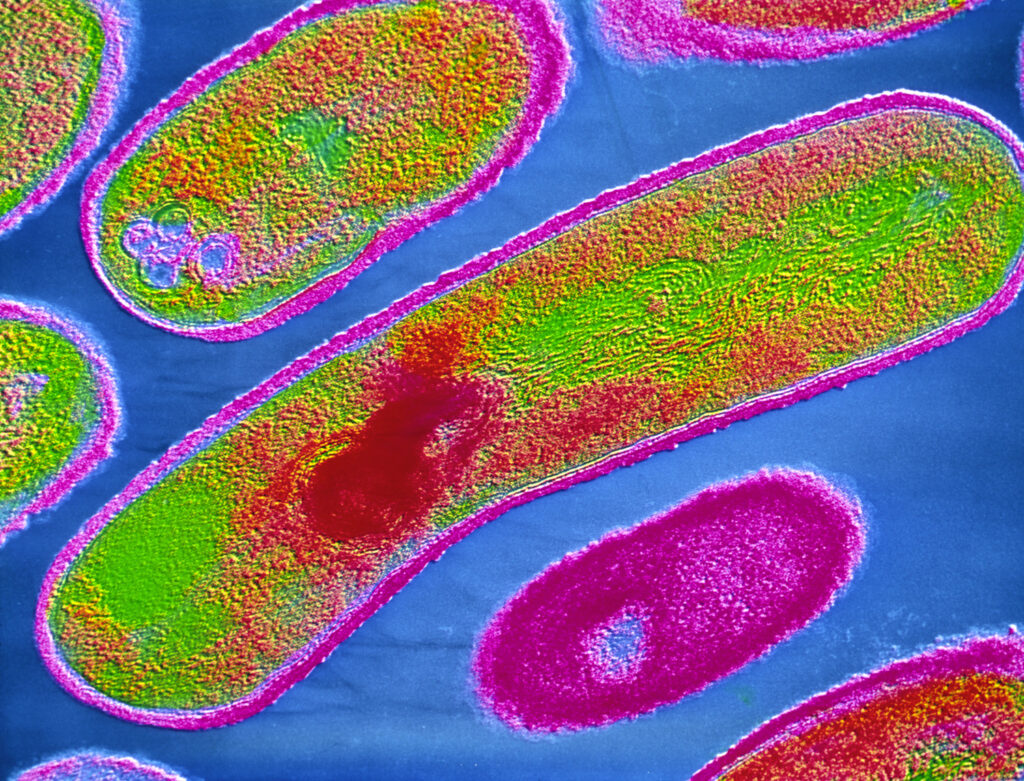
Infections of Shiga-toxin-producing Escherichia coli (STEC) and Listeria monocytogenes reached their highest levels in 2023 throughout the European Economic Area (EEA), according to the annual epidemiological report of the European Centre for Disease Prevention and Control (ECDC), released on Thursday.
In 2023, 10,901 STEC infections were reported in the 30 EEA countries – the 27 EU Member States plus Iceland, Norway and Liechtenstein – with an incidence of 3.2 per 100,000 inhabitants. This was 22% more than in 2022 and the highest number recorded to date, the ECDC reports.
The increase in reported cases is partly explained by more sensitive laboratory testing methods than those traditionally used, the centre notes.
STEC differs from other E. coli strains as it produces Shiga toxins, which can lead to severe infections in humans. The disease is transmitted primarily through contaminated food or water, or direct contact with infected people or animals.
Symptoms include moderate to bloody diarrhoea, potentially progressing to the life-threatening haemolytic uraemic syndrome (HUS). Children under five are most affected.
With regard to Listeria, 2,993 cases were identified in 2023, with 340 deaths, representing the highest number recorded so far in any given year.
Listeriosis is a severe foodborne infection caused by the Listeria monocytogenes bacterium. It poses risks to young children, pregnant women, individuals with weakened immunity, and the elderly.
Symptoms may include nausea, vomiting, abdominal pain, diarrhoea or constipation, headaches, and persistent fever. In severe cases, it can lead to blood poisoning, meningitis, or brain infections, making it “one of the most serious foodborne diseases monitored in Europe.”
The rising elderly population and changing eating habits, such as increased consumption of ready-to-eat foods, may contribute to this upward trend, the ECDC explains.
