
The National Bank of Belgium (NBB) warned that the country's budget deficit could rise to 5.6% of GDP by 2027 despite moderate economic growth and falling inflation.
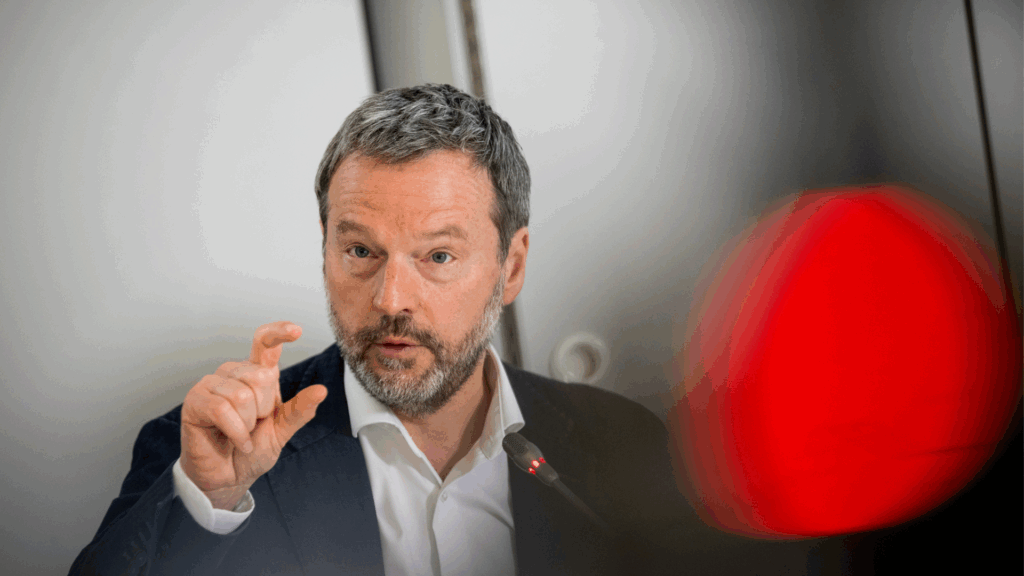
NBB Governor Pierre Wunsch said on Friday that current fiscal efforts are insufficient and called for additional measures across all levels of government.
Presenting its spring economic projections, the NBB painted a mixed picture. The economy is expected to grow by around 1% annually over the next three years, and inflation is predicted to fall from 2.6% in 2025 to just 1.3% in 2026. However, the budget outlook is deteriorating sharply.
The deficit is projected to go from -4.5% of GDP in 2024 to -5.2% in 2025, and further to -5.6% by 2027. Belgium's debt-to-GDP ratio is also set to climb from 104.7% to 112.7% over the same period.
Wunsch warned that Belgium remains "very vulnerable to a future recession", with the deficit potentially reaching 7% if the economy contracts again.
The bank attributes the worsening deficit to rising ageing-related costs and higher interest payments on public debt. While measures such as pension and unemployment reforms have been introduced, their impact will only be felt in the medium term. Increased defence spending and ongoing pressures in health care also offset savings elsewhere.
The NBB expects 100,000 jobs to be created by 2027, including 30,000 as a result of the time limit on unemployment benefits. However, the measure's short-term impact is expected to be limited. Many new roles are likely going to be part-time and in low-productivity sectors.
Despite these challenges, the bank remains cautiously optimistic on several fronts, including the recovery in construction, improved competitiveness, and resilience in exports.
