
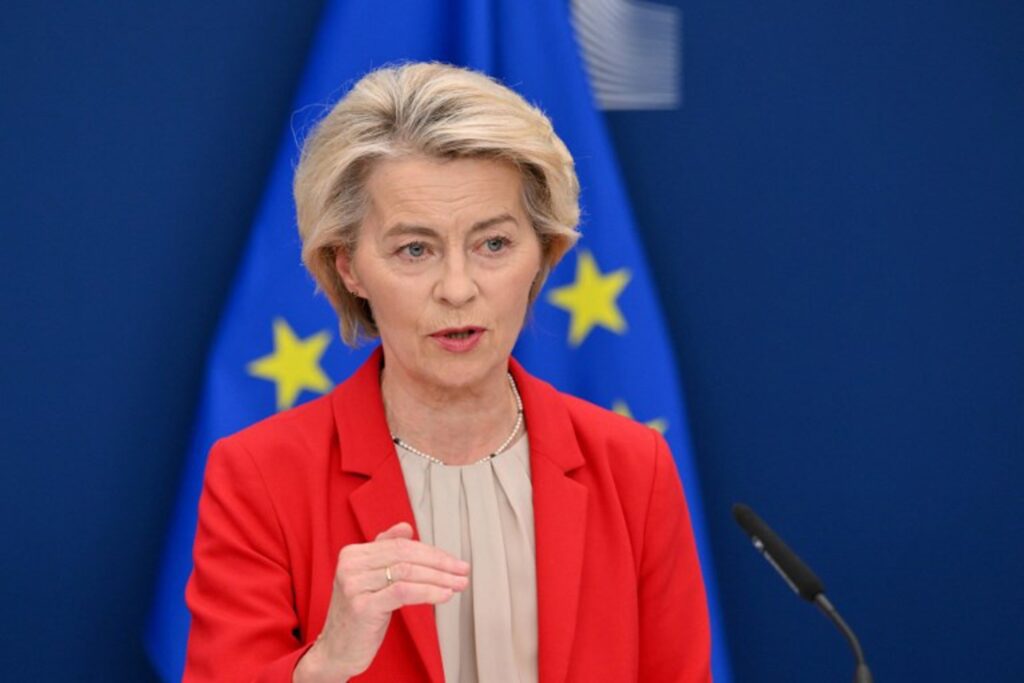
The European Commission has proposed to the United States and other G7 members to lower the price cap on Russian crude oil from $60 per barrel to $45, according to European Commission President Ursula von der Leyen.
Ms. von der Leyen made the disclosure during a press briefing on a new package of European sanctions against Moscow linked to Russia’s large-scale invasion of Ukraine.
The price cap on Russian oil products was initially conceived at the end of 2022 to reduce the revenue that Moscow could use to fund the war. It dictates that companies from participating countries, including all EU Member States, can only provide maritime transport services for Russian oil products if the prices do not exceed a certain level.
G7 to discuss oil cap proposal in November
“Since the price cap was introduced in 2023, oil prices have fallen, Ms von der Leyen stated. “They are now approaching the cap. By lowering it, we adapt to changing market conditions and restore its effectiveness.”
The objective is to further diminish the revenue Russia earns from oil sales, as “oil exports still represent a third of state income,” said the Commission president.
Since this measure depends on the G7, it will be discussed at the next summit in Canada from 15 to 17 November.
Expanding sanctions on Russia's ghost fleet also on the cards
The Commission also aims to expand sanctions on the “ghost fleet,” oil tankers used by Russia to circumvent Western sanctions. It proposes adding 77 ships to the blacklist, which already has 342. Vessels added to the ghost fleet list will be banned from European port access and services.
Following the Western embargo on its oil, Russia has increasingly relied on ageing tankers that frequently change flags to continue exports outside regular and legal channels.
Von der Leyen also spoke of a ban on importing refined products (petrol, diesel, etc.) derived from Russian crude oil.
Expanding the ban on Russian banks using the SWIFT system
This new sanctions package, requiring adoption by EU Member States at the EU Council, also addresses transactions related to Nord Stream pipelines and the banking sector.
According to Ms. von der Leyen, the banking sector is the second major pillar of the new sanctions package. The Commission is proposing to transform the current ban on using the SWIFT system into a complete transaction ban, and applying it to 22 additional Russian banks”
“Our goal is very clear: we reiterate the call for a complete and unconditional 30-day ceasefire," the Commission president added. "This pause in fighting could be a vital step towards reducing civilian suffering and creating room for substantial negotiations towards genuine peace.”
