
European atom-smashers have had a mixed bag this week. Positive news about the future trajectory of the sector has been tempered by worrying news about the present.
Nuclear energy has been on the cusp of a renaissance for a number of years. Taken at face value, Belgium’s scrapping of a moratorium on new atomic energy and Italy’s intention to overturn its ban on developing the technology all count in nuclear’s favour. Other countries are also making similar noises.
But optimistic predictions about a ‘golden age of nuclear development’ cannot be taken completely seriously as there are not that many projects where construction has actually started.
Over the last ten days, a couple of countries have looked to right that wrong. First, Czechia’s top court overturned an injunction against the government over an agreement it wanted to sign with a South Korean nuclear developer.
That contract is for expansion works at an existing plant, which French firm EDF had contested, claiming that the bidding process was not fair. Those allegations have now been dismissed and work can begin.
At the beginning of this week, the United Kingdom’s government also committed investment totalling £14 billion to a planned nuclear project on England’s east coast. Sizewell C will provide about 7% of the UK’s current power demand when it is completed.
Of course, there are a number of caveats. The Sizewell announcement is not a final investment decision, lots of numbers still have to be crunched about how to fund it, especially if or when the project goes over budget and deadline.
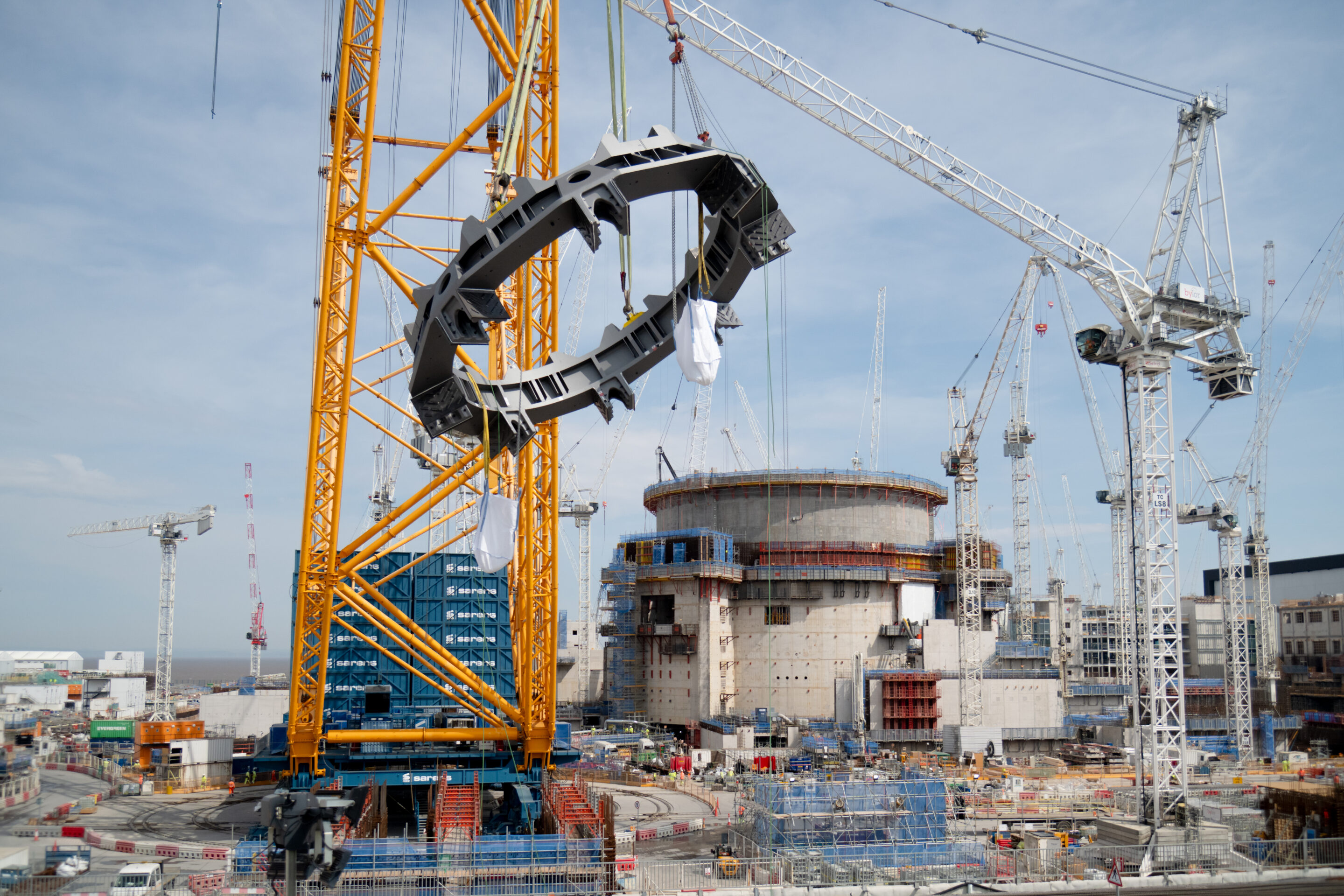
That is a likely eventuality if the UK’s other nuclear project at Hinkley Point is anything to go by. The plant was supposed to be finished by now but works are still ongoing and have added billions of pounds to the price tag.
Across the Channel in France and the news about nuclear is very concerning for anybody that wants to see more reactors being built.
Back in 2022, a lot of the French nuclear fleet had to be taken offline to check for stress cracks. The auditing process took months, as did any repairs that had to be made to damaged reactors.
There are reports that cracks of the same nature have been identified in a reactor that was only given a clean bill of health back in 2022. Checks are still ongoing but the news is already having a souring effect on energy prices.
If France cannot rely on its nuclear power backbone then it has to plug the shortfall with other energy, more often than not that means securing short-term gas supplies.
Neighbouring countries that rely on power imports from France also have to make the same arrangements. That means prices go up in step with the increased demand, risking a greater worsening of the cost of living crisis that is affecting millions of Europeans.
Elsewhere in the world and nuclear’s prospects are equally difficult to gauge. United States President Donald Trump recently signed an executive order that seeks to quadruple the amount of nuclear capacity by 2050.
That has been gleefully welcomed by US nuclear developers like Westinghouse, as they are perfectly placed to take advantage of it. Most of its global rivals either are not present on the US market or would never be considered for contracts because of geopolitical reasons.
Throw in the World Bank’s decision to overturn its ban on funding nuclear projects and the situation becomes even more difficult to read. Everybody seemingly wants to build nuclear but will they actually pull the trigger?
Want more updates and analysis of what is happening in the world of energy and climate? Interested in finding a job in the sector or more information about public tenders? Sign up to our Energy Rundown newsletter here!
