
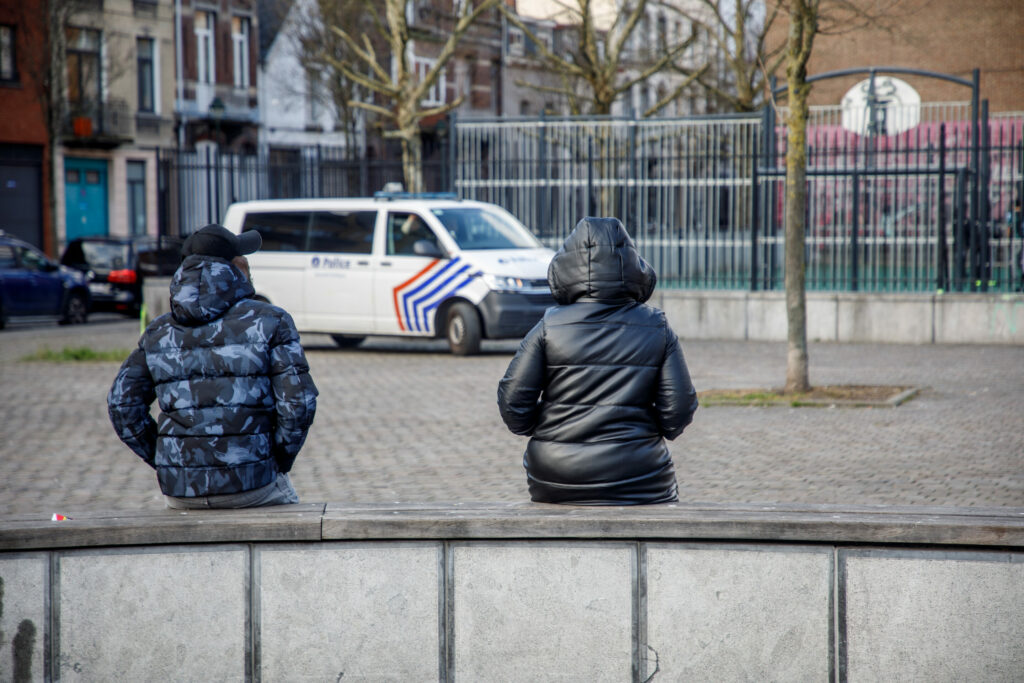
Numerous Brussels neighbourhood associations expressed grave concerns on Saturday regarding basic safety in the Brussels-Capital Region following its downgraded credit rating.
On Friday evening, US credit rating agency S&P downgraded Brussels from A+ to A with a ‘negative outlook’, indicating that borrowing will become more expensive for the region.
Neighbourhood groups fear regional politicians may resort to “quick fix” solutions, such as new taxes and service cuts. “The first victims are often the cultural and social sectors,” said Eric Vandezande, chair of the citizens’ collective representing 40 committees.
Brussels is grappling with longstanding issues including territorial drug gang wars, deteriorating infrastructure, over 100,000 homeless or undocumented individuals on the streets, a housing crisis, unemployment, and a budget deficit potentially reaching €1.59 billion by the end of 2025.
The neighbourhood committees urge the federal government to take action, highlighting Brussels’ “disproportionate burden” concerning asylum and migration, a situation compounded by federal policy failures. They criticise a recent decision by the Minister for Asylum and Migration, Anneleen van Bossuyt, to reduce accommodation, fearing it will leave more people vulnerable to criminal exploitation.
Addressing safety, they advocate for a federal urban security strategy encompassing Brussels and crime-ridden Belgian cities like Antwerp, Charleroi, Liège, and possibly Ostend. “We need an integrated, federal approach to these issues, recognising their interlinked nature,” Vandezande emphasised.
“The local patchwork solutions are no longer sufficient.” Neighbourhood committees demand a coordinated, comprehensive safety plan for Brussels. Despite the proactive stance of newly appointed officials such as Interior Minister Bernard Quintin and Brussels’ Chief Prosecutor Julien Moinil, they find government inertia and lack of coordination unacceptable.
