
Celebrations today in the European Parliament – not as a result of a major trade breakthrough, or a peace accord to change the ages – no. The celebrations are to mark something a little more conceptual, and definitely a lot older, but no less important and central to the EU idea, supporters would argue.
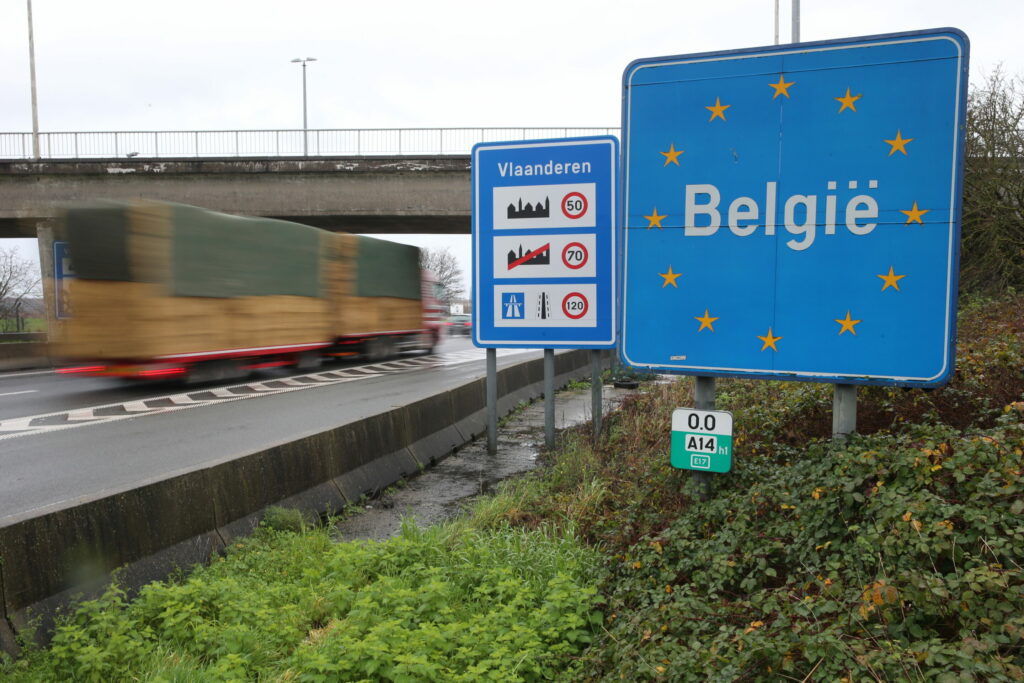
40 years ago this week, government ministers from Germany, Luxembourg, France, the Netherlands and, of course, Belgium, boarded a pleasure cruiser, sailed to the middle of the Moselle river, and signed pledges to abandon border checks in the future. The nearest village to this spot? Schengen.
Fast forward to today, and it looks like the EU may be unwittingly throwing a wake rather than a party for this groundbreaking agreement. Schengen has never been under more threat than it is now. Currently, 11 of the 29 Schengen countries have announced plans to reintroduce border controls.
An idea born nearly half a century ago may no longer be up to the challenges of an increasingly fractured Europe, struggling with the extremes at the opposite ends of the migration debate, with individual governments increasingly using "border controls" as vote-winning policies.
What do we the EU citizens want? Do we even know? How do we balance our wish for freedom of travel and cross border living – the hugely attractive aspects of living in the EU – with security and population concerns? Maybe the greatest celebration of Schengen could be for the EU over the course of this year to ask the citizens through genuine outreach and effort what borderless travel should look like, and then design a Schengen fit for the next 40 years. History shows us that policies have to adapt over time, otherwise they die, and the ideals on which they were built die with them.
Schengen, by the way, regularly features in pub quizzes – and who knows, it may well feature in one we are collaborating with next week! Next Tuesday, 24 June, Full Circle is hosting a pub quiz at its club here in Brussels, and they kindly asked us here at The Brussels Times to provide the questions, and help host. It will be a chance to meet some of the reporting team and to have some fun (not that meeting us won't be fun!) as well.
Find all the details via this link. We hope to see you there.
Belgium in Brief is a free daily roundup of the top stories to get you through your coffee break conversations. To receive it straight to your inbox every day, sign up below:
1. ‘Carspreading’: Children in danger as SUVs surge in popularity
An advocacy group is calling for limits on car bonnet heights after a Belgian study showed the dangers posed by SUVs. Read more.
2. Your ride is here – Uber now available on Belgian coast
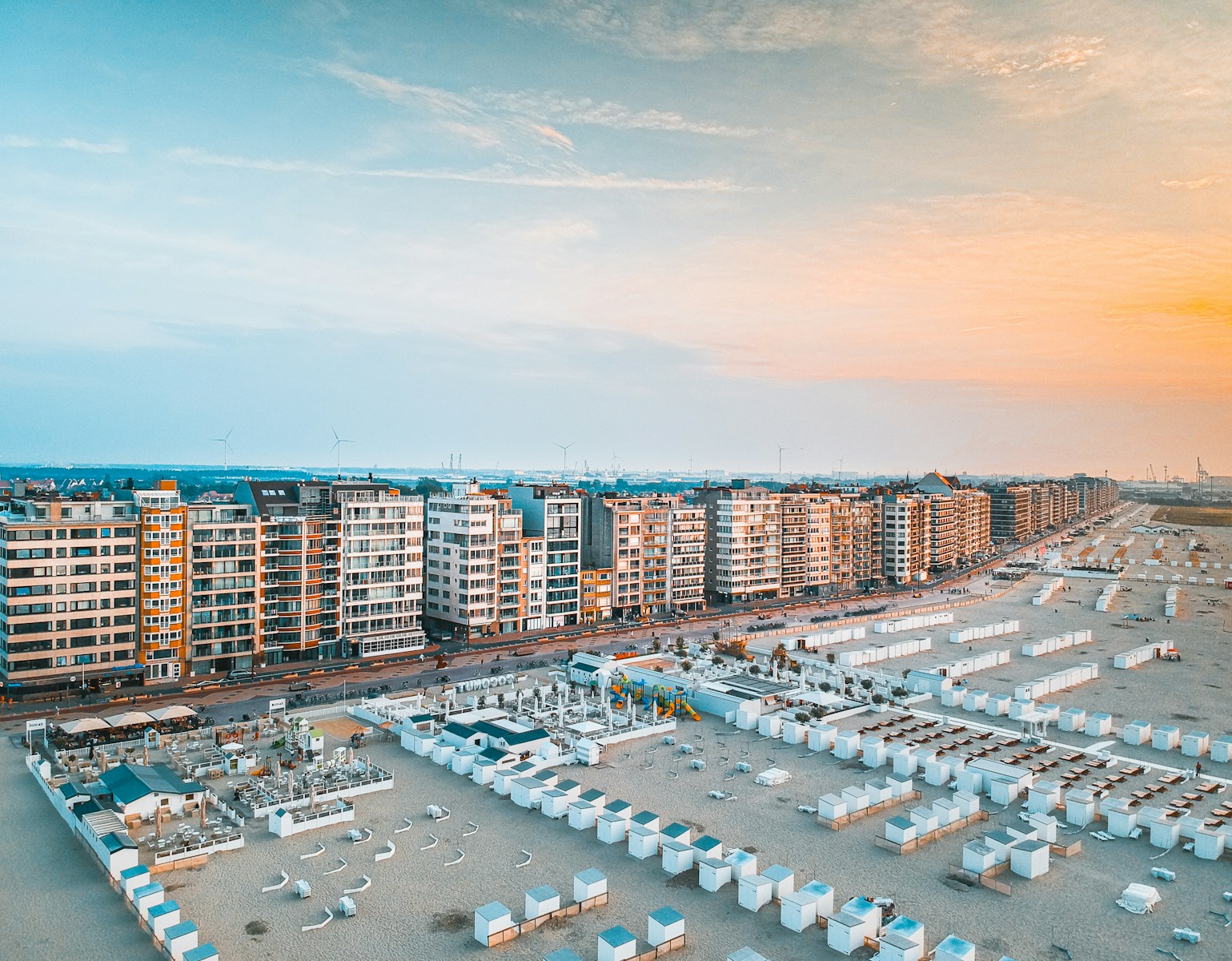
The service is being expanded in time for the summer season. Read more.
3. Urgent plea for animal blood donors amid ‘severe shortage’ of blood for certain pets
Just like humans, animals suffer when there isn’t enough blood being donated. Read more.
4. Single households on the rise in Belgium – but how does it compare to the rest of Europe?
Just over one in three households in Belgium are single-person households, a figure that rises to almost half of all households when it comes to Brussels. Read more.
5. Pro-palestinian demonstrators march through Brussels
Thousands march in Brussels to protest Israel’s actions in Gaza, wearing red, to demand stronger political action from Belgium and the EU. Read more.
6. Ukrainian community defends Belgium’s military development plans
Promote Ukraine, Brussels' largest pro-Ukraine NGO, has reacted sharply to a call by some civil society groups to abandon Belgium's military spending plans. Read more.
7. Ferrari ends up on its roof in Limburg province with driver on the run
Ferrari with its driver flipped on a Limburg highway with driver leaving the scene. Police is searching for him, trying to determine the cause of the accident. Read more.
