
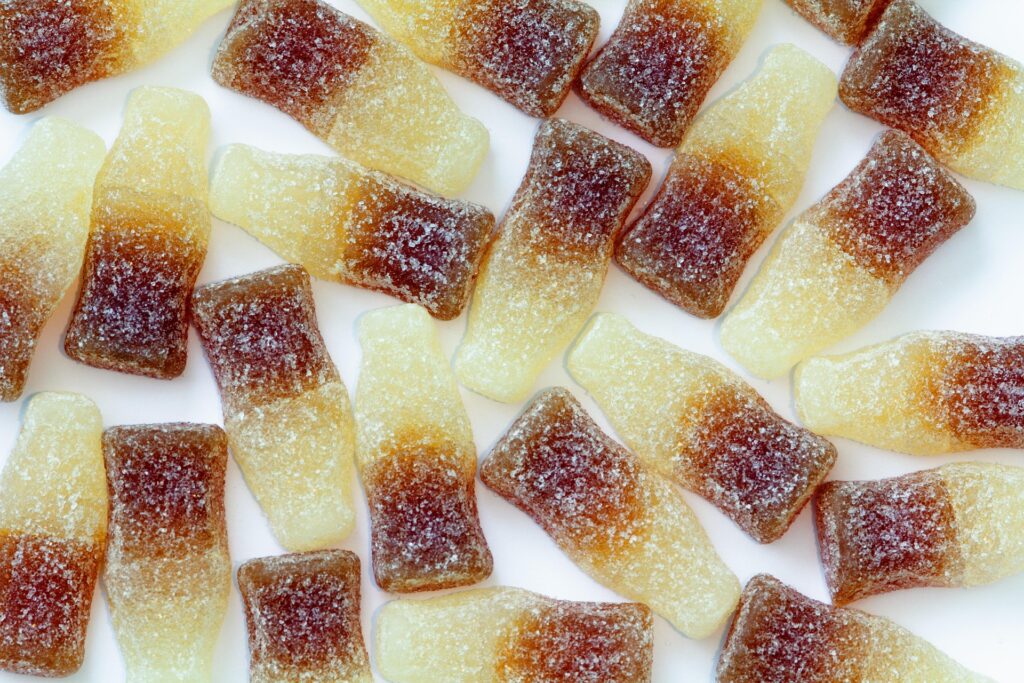
According to research conducted by the Netherlands Forensic Institute (NFI), a government agency that conducts research into toxic substances, no cannabis or related substances were present in batches of tainted Haribo cola bottles.
Previous reports, based on statements provided by the Dutch police and the Dutch Food and Consumer Product Safety Authority, warned that the sweets contained cannabis. Some 1 kilogram bags of "Haribo Happy Cola F!ZZ" were reportedly causing illness, with consumers reporting symptoms of dizziness and other health issues.
Despite a rapid test by the Eastern Netherlands police initially confirming the presence of the chemical in the candies, the NFI now actively refutes this.
"This result deviates from the results of the indicative tests that were previously carried out, and that means that it has been demonstrated that cannabis did not end up in the cola bottles at any point in the process at Haribo," the agency said in a statement.
Haribo had long maintained that its products could not have contained cannabis. On 7 June, a spokesperson for the company stated that it had contracted an independent laboratory for testing, which conducted tests on both the affected and regular batches. The results of those tests were all negative, it said, and there were “no irregularities” in the Haribo production processes.
It is still unclear what was in the sweets. Two Dutch children in the city of Almelo even fell into a coma after eating the confectionery, with one child being brought to the hospital in a serious condition, requiring specialist treatment at another hospital. Both were reportedly toddlers.
As a precaution, the Haribo sweets were also recalled in Belgium. The affected batch was believed to have also been delivered to stores. Still, the Federal Food Safety Agency (FASFC) reports that no Belgians came forward with symptoms after consuming the sweets.
The case is still pending. Dutch police say that they will continue to investigate the mystery poisoning. Consumers should still avoid consuming the recalled batch with a printed expiry date of January 2026.
