
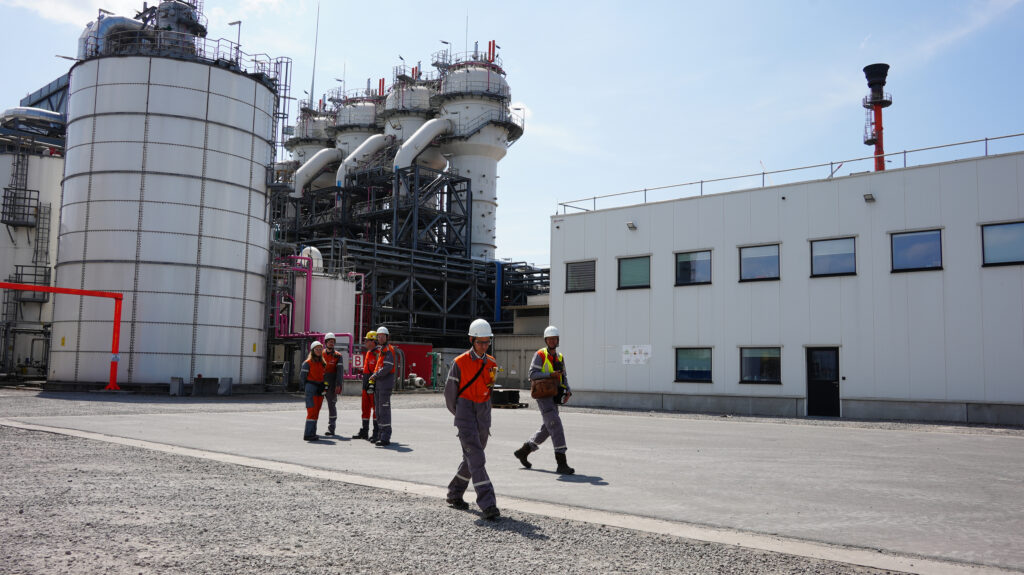
Steel giant ArcelorMittal is considering closing its pioneering Steelanol facility in Ghent, Belgium, a project that has long been presented as a key part of its decarbonisation strategy.
The plant, which converts CO2 from blast furnace gases into ethanol, is struggling under restrictive and unsupportive EU regulations, which have made its continued operation financially unsustainable.
"We're giving ourselves about a year to decide whether to shut it down," warns CEO Frederik Van de Velde. "Even if we solve the technical issues and reach the planned output of 60,000 tonnes of ethanol per year, the economics will remain challenging without changes to the regulatory framework."
Steelanol captures residual gases from the steelmaking process that would otherwise be used to generate electricity, and uses fermentation to convert them into ethanol. This ethanol can be used as a chemical feedstock or fuel, turning industrial waste into a valuable product while significantly reducing carbon emissions. At full capacity, the plant could avoid up to 120,000 tonnes of CO2 emissions annually.
The project represents an investment of €215 million, rising to €250 million when combined with the adjacent Torero project, which transforms waste wood from recycling centres into biocoal to replace fossil carbon.
Funding has come from multiple sources: €35 million from the EU, the Flemish Government and the Belgian Government; a €75 million loan from the European Investment Bank; and €140 million from ArcelorMittal itself. If the facility closes, it will result in a significant financial loss. The plant currently employs 35 people, who would be redeployed within the company.
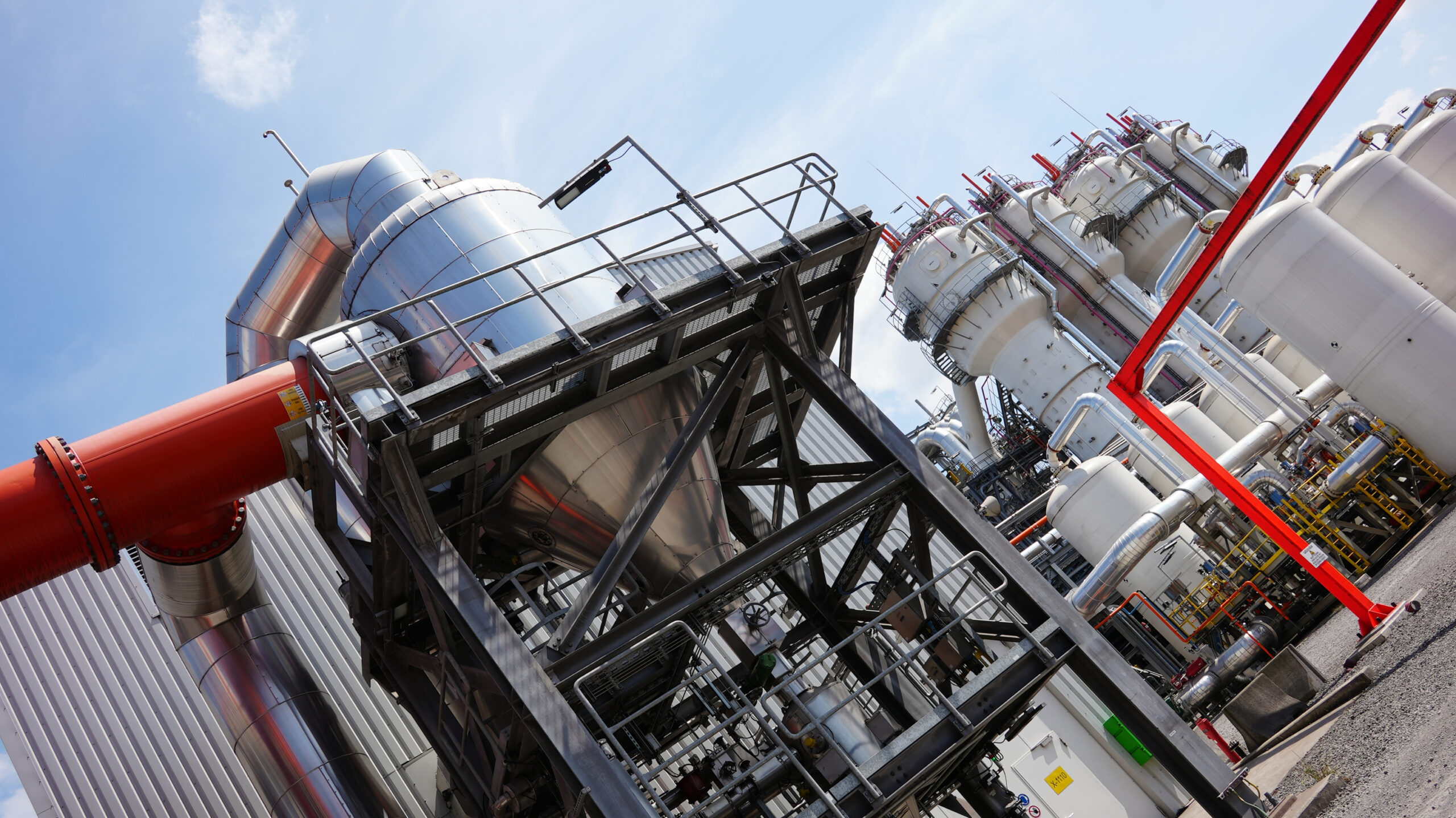
Picture of a visit to Steelanol of ArcelorMittal in Ghent, Wednesday 18 June 2025. Credit: Belga / Jonas Dhollander
For ArcelorMittal, this issue highlights a broader systemic flaw in EU climate policy. "The European Commission is fixated on hydrogen as the sole route to climate neutrality," says Van de Velde. "Meanwhile, other technologies like this one, which are operational today and deliver immediate CO2 savings, are not given a fair opportunity."
He notes that, despite high electricity demands and questionable feasibility, hydrogen continues to receive heavy subsidies. "In Europe, where electricity is scarce, it is absurd that this kind of innovative recycling is being ignored."
Steelanol is the only facility of its kind in Europe, with only one comparable plant in China. Ghent was intended to serve as a pilot site for wider implementation across the company's steelworks. However, the ethanol produced is not currently recognised under EU rules as either an 'advanced biofuel' or a 'recycled fuel', meaning the emissions it avoids cannot be deducted from ArcelorMittal's carbon balance.
"We expected the ethanol to qualify as an advanced biofuel, but that recognition has not been granted," adds Van de Velde. "It shows how difficult it is to harmonise legislation in Europe. Often, we have no idea what the regulatory landscape will look like in five to eight years."
High stakes
ArcelorMittal’s threat to close its Steelanol plant in Ghent, is "completely unacceptable," the Flemish socialist union ABVV Metaal responded forcefully on Thursday.
"Steelanol is the flagship of ArcelorMittal Ghent in terms of greening efforts," stated Stijn van Geem from ABVV Metaal, the Flemish arm of the FGTB. "A potential closure severely harms the workers’ trust and prospects. Even if staff can be redeployed internally, the social and psychological impact should not be underestimated."
The socialist union argues the stakes are much higher than just one factory. "This project is not merely an investment; it symbolises part of the site’s future. The organisation deems the financial non-viability under current European regulations, as argued by ArcelorMittal, to be ‘completely unacceptable’ and calls for urgent action."
"We demand a stable, transparent, and forward-thinking framework that effectively supports sustainable initiatives like Steelanol. This concerns the anchoring of the steel industry in Europe and job security in Ghent," concluded ABVV Metaal.
