
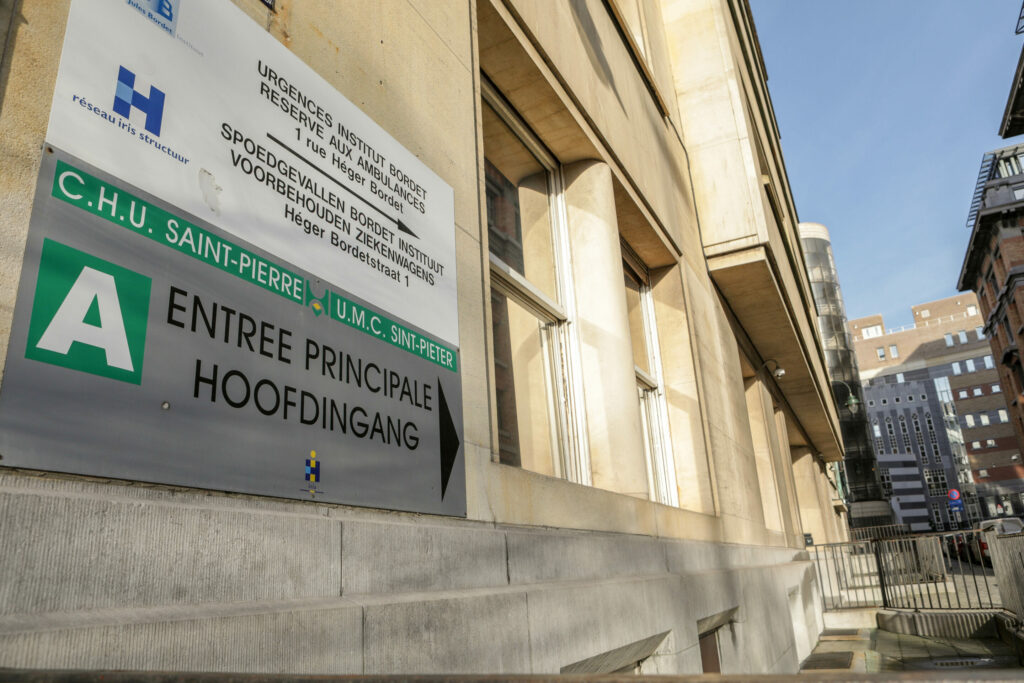
Brussels is suffocating – quite literally. In 2022, every hospital, clinic, and care home in the Belgian capital was exposed to nitrogen dioxide (NO₂) levels above the World Health Organisation's recommended limit, according to alarming new data modelled by the air quality software SIRANE.
Healthcare institutions in Brussels are exposed to dangerous levels of nitrogen dioxide (NO₂) pollution, which exceed up to three times the recommendations of the World Health Organisation (WHO). This is the alarming conclusion of a new study published today by the Brussels-based NGO Chercheurs d'air.
The report paints a picture of a healthcare system that is physically and metaphorically overshadowed by the toxic consequences of road traffic.
Exhaust fumes, primarily from diesel engines, remain the city's largest source of NOx ( nitrogen oxides ), accounting for 47% of emissions. PM2.5 worsens the quality, microscopic particles that lodge deep in the lungs, of which road traffic contributes nearly a quarter (23%).

Ironically, vulnerable patients (those with chronic heart and lung conditions, the elderly with weakened immune systems) are being obliged to recover in environments that may actually be making their health worse.
For instance, the nursing home Petites soeurs des pauvres, located in the Marolles district, records an average annual NO₂ concentration exceeding 34.99 µg/m³.
At the same time, 25 other healthcare facilities are overexposed to nitrogen dioxide, with levels two to three times higher than the WHO's recommended treshold. Among the sites are some of Brussels' heavily frequented medical centres : Lothier polyclinic, CHU Saint-Pierre, and the Saint-Jean clinic.
All 133 healthcare (hospitals, clinics, and nursing homes) were found to be overexposed to NO₂. " Twenty-five facilities are exposed to pollution levels between two and three times above the WHO limit. The remaining 107 sites exceed this threshold at least once," the report notes.
On the other hand, SIRANE's model, while credible and robust, cannot account for all real world variations (peak exposure during rush hours, indoor air infiltration, weather effects, etc). The true picture, the report warns, is likely even bleaker.
Brussels isn't alone. Cities across Europe are grappling with the fallout of decades of car-centric planning. And while clean air is a universal right, the data suggest it has become a privilege, one that doesn't extend to those spending their final days in healthcare facilities.
According to the WHO, "exceeding air quality guideline levels is associated with significant health risks." The links between NO₂ exposure and asthma, chronic obstructive pulmonary disease (COPD), cardiovascular issues and premature death are now beyond dispute. In Brussels, several hundred premature deaths each year are directly tied to the quality of the air.
The implications of these findings go far beyond urban planning or environmental policy.
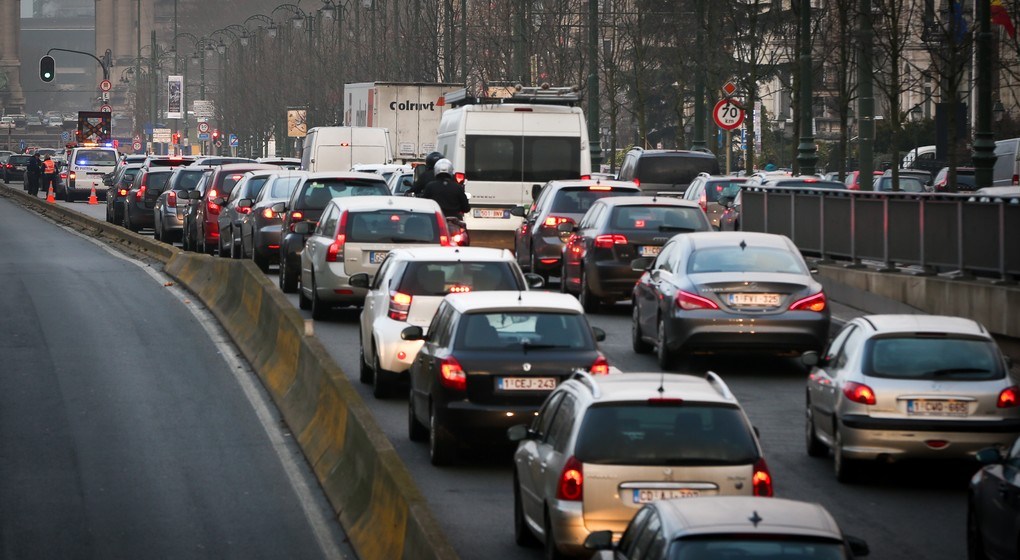
Traffic jam in rush hours in Brussels. Credit : Belga
What now?
The Brussels-Capital Region has taken steps to reduce emissions, including the implementation of low-emission zones (LEZ) and the gradual phasing out of older diesel vehicles.
Brussels' Environment Minister, Alain Maron, reacted to the findings with candour: "It doesn't surprise me. As long as we keep polluting, the pollution will show up somewhere. Around the major roads, there's simply too much car pollution. We have to keep taking action."
"Delaying the LEZ would be a poisoned gift. We need vehicles which pollute less, and we need to reduce traffic further in Brussels" he adds.
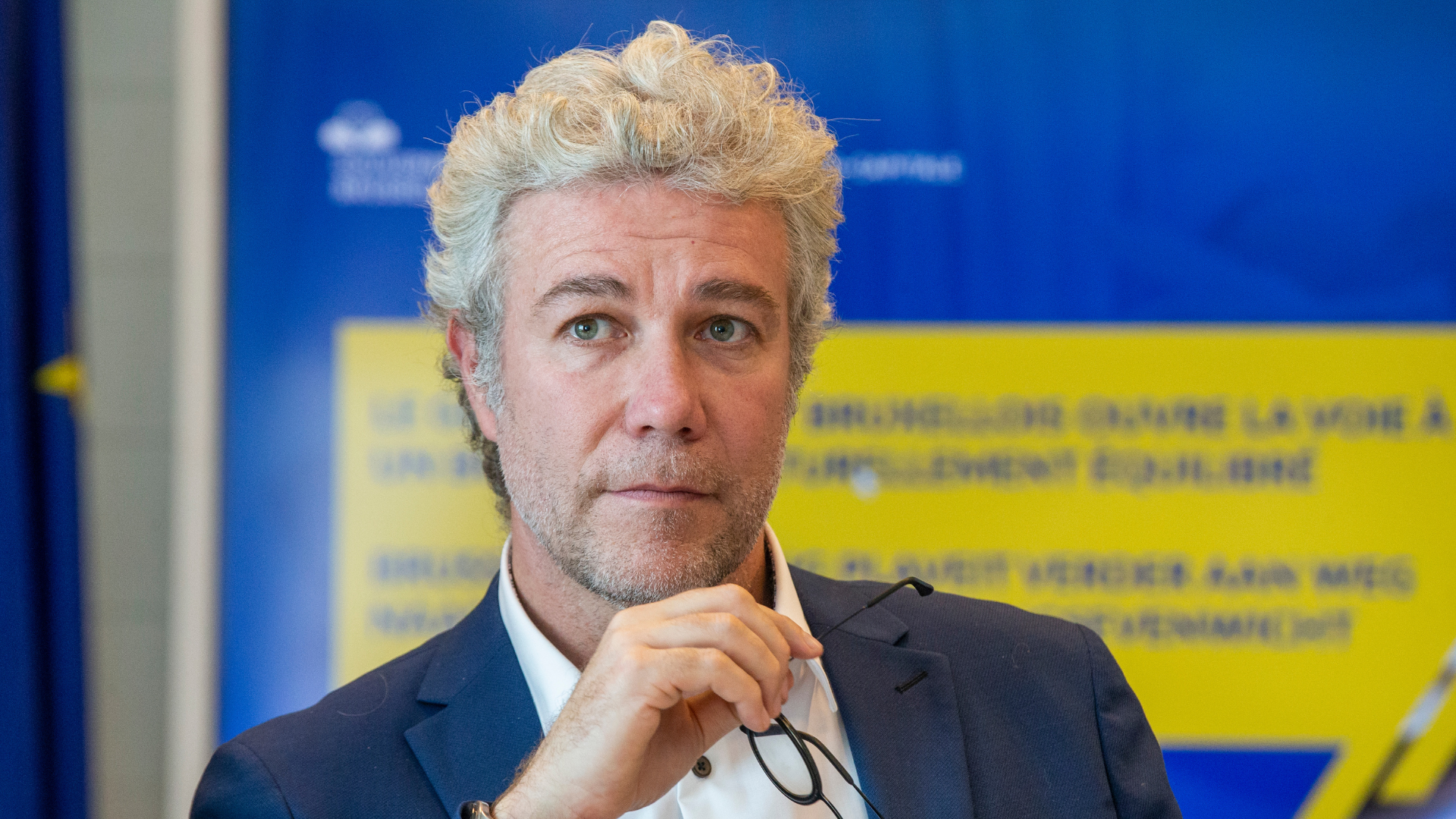
Brussels Environment Minister Alain Maron. Credit: Belga
But political uncertainty seems to be second nature to Brussels; Maron is blunt: "We need a fully functioning government and a real budget. That means identifying which parties are willing to vote for it – and starting negotiations now."
While Brussels waits for political clarity, its residents continue to inhale polluted air. And for the thousands of people admitted each year to facilities like CHU Saint-Pierre or the Saint-Jean clinic, the air surrounding them is a constant and chronic threat.
The data is clear. The technology exists. The only thing missing is action now, as more people are unconsciously being affected by the quality of the air in spaces meant to offer care.
