
Good afternoon!
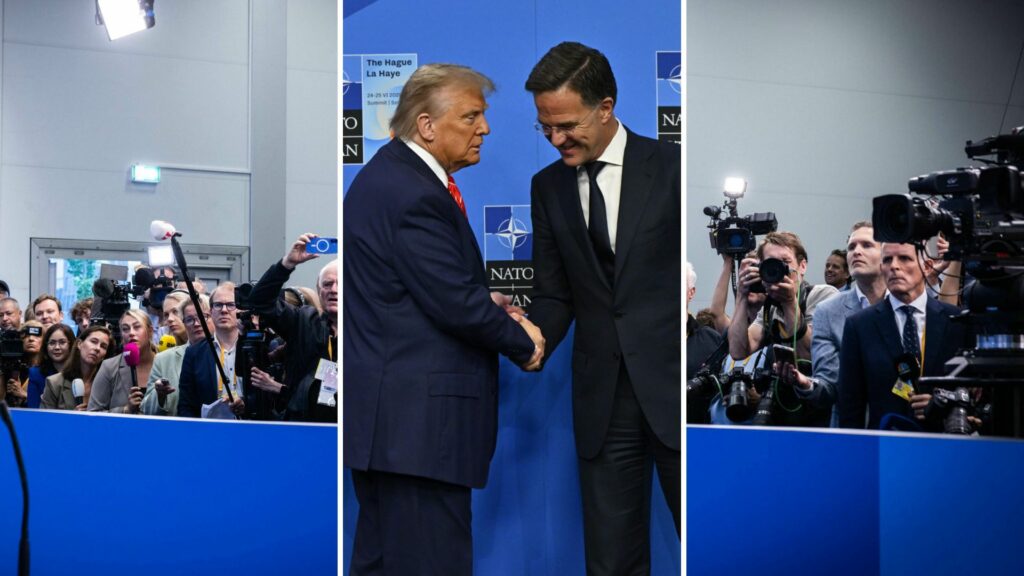
As I write, the NATO summit is taking place not that far away in The Hague, with tussles over funding commitments still to the fore. And the biggest lesson so far is that if you are going to text Donald Trump, be prepared for your messages to be made public! This is the experience NATO chief Mark Rutte has had over the last 24 hours, when his – some might say – overly sycophantic messages to the President were laid bare for all to see by POTUS.
Many had wondered about the strategy of Rutte, how he managed Trump without angering him or provoking public outbursts either in person or online. Now, maybe some politicians have a hint of how to proceed, so that things can be kept on an even keel, whilst also trying to achieve mutually beneficial results.
Rutte, for his par,t says he has no problem with his messages being made public. Some might say he would say that, wouldn't he, but he's not only been a very effective politician in the Netherlands for many years, he's also a very effective diplomat. It's just that in previous years, diplomacy was normally conducted behind closed doors, in darkened corridors, and over long dinners. What was said in public was not necessarily what had been agreed privately.
I remember fondly the frequent press releases and communiqués. For "constructive dialogue", read: we don't really agree on anything; for "in close consultation with all parties", read: we will ultimately make the final decision whether you like it or not; and my personal favourite "a robust exchange of views", which means we had a blazing row and ended up shouting insults at each other.
We don't see so many of these anymore, as diplomacy is being conducted live, in front of the cameras or on social media now, as it happens – just think of Zelenskyy in the Oval Office. Some might say it's good to get things out in the open, and that diplomacy needs to move with the times. But if it's public, then it's not diplomacy, surely?
So the question we are left with is more fundamental: is there a role for diplomacy in this polarised world, and if so, what does it look like? I'm not sure anyone has all the answers, but a few things are clear. It needs to be more agile and able to adapt to fast-moving events. Diplomats need to understand, more than ever, the daily changing global situation.
They need to surround themselves with ever more varied perspectives and reach out into wider communities of experts in a variety of fields, including tech and media professionals, to help them better understand the forces at work and to avoid "groupthink". And they need to be grounded in a solid understanding of the pressures that everyday people are facing and the motivations for seemingly unpredictable actions.
Diplomacy may need to be more about prevention rather than cure.
By the way, speaking of "constructive dialogue", there was plenty of that in the true sense of the phrase at the highly enjoyable pub quiz that The Brussels Times team helped host at the Full Circle club last night. Thank you to all who participated, and congratulations to the winning team, the No Brainers! We will hopefully be hosting more of these after the summer break, so keep an eye out for future announcements.
Belgium in Brief is a free daily roundup of the top stories to get you through your coffee break conversations. To receive it straight to your inbox every day, sign up below:
1. National strike: Cancelled flights, only one metro running in Brussels
Check out The Brussels Times live blog for the latest updates on the national day of action. Read more.
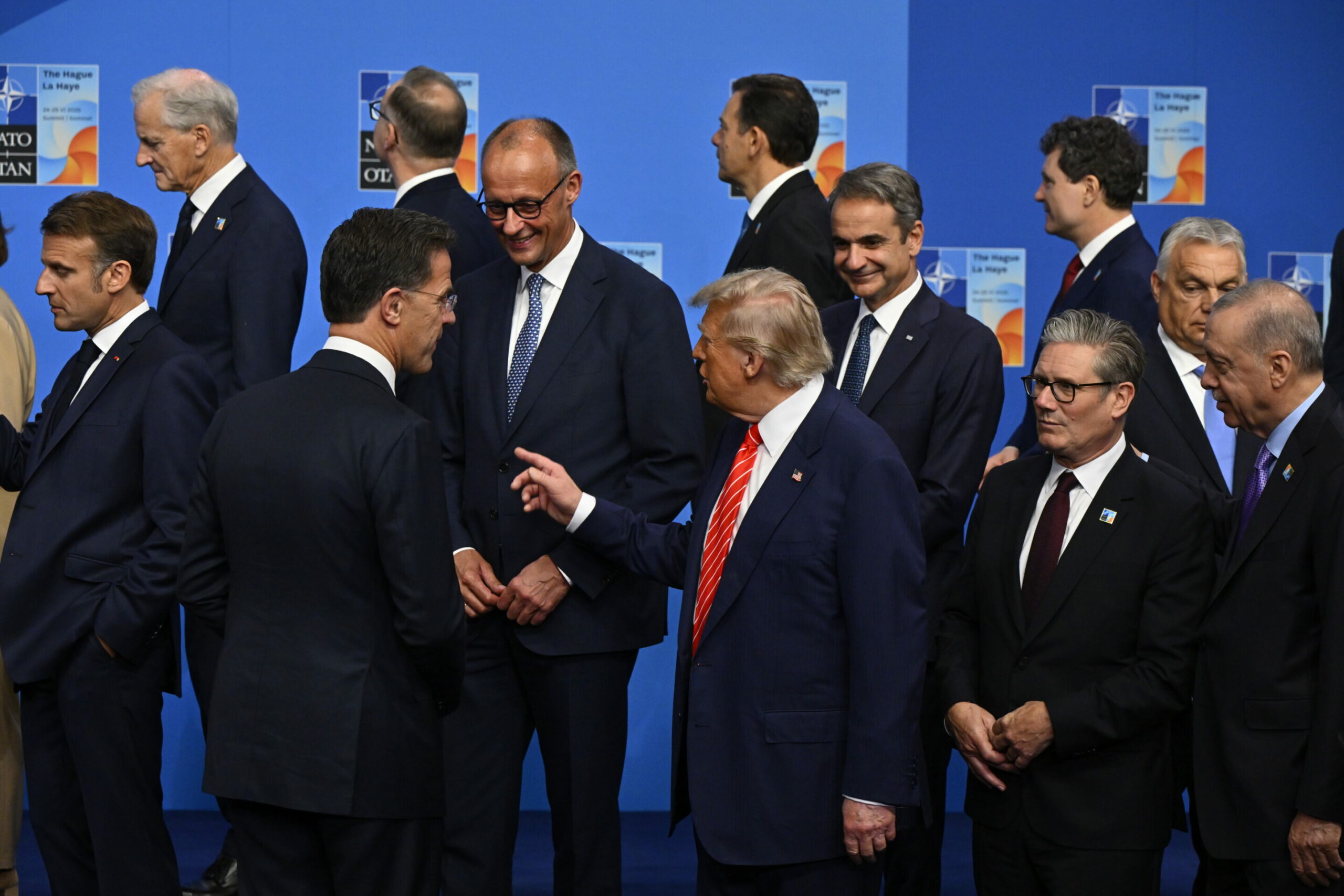
2. NATO’s future in doubt after Trump does not commit to European defence
The US President avoided journalists at the summit on Wednesday morning after he called into question defending European allies under attack. Read more.
3. TGV and Eurostar traffic ‘severely’ disrupted due to cable theft
The theft of over 600 metres of cable has prompted enormous disruptions on France's high-speed railway network and the Eurostar between London and Brussels. Read more.
4. Belgium criticised for poor bathing water quality
While the large majority of bathing waters in the European Union are safe for summer swimming, Belgium is among the worst pupils in the class. Read more.
5. Cancelled or delayed flight? Your rights as a passenger
As Belgium sees another wave of flight cancellations, here is what you need to know about refunds, replacements and additional compensation. Read more.
6. Belgian police officer killed in car chase in France
A Belgian police officer and one other person was killed when a vehicle struck them both down. Read more.
7. Art and summer events in Brussels and beyond
The Brussels Times Magazine selects the best current and upcoming events and exhibitions. Read more.
