
Petroleum products continued to dominate Belgium’s energy mix in 2024, according to figures from the Federal Economic Affairs Department, which also show that the share of renewable energy decreased for the first time.
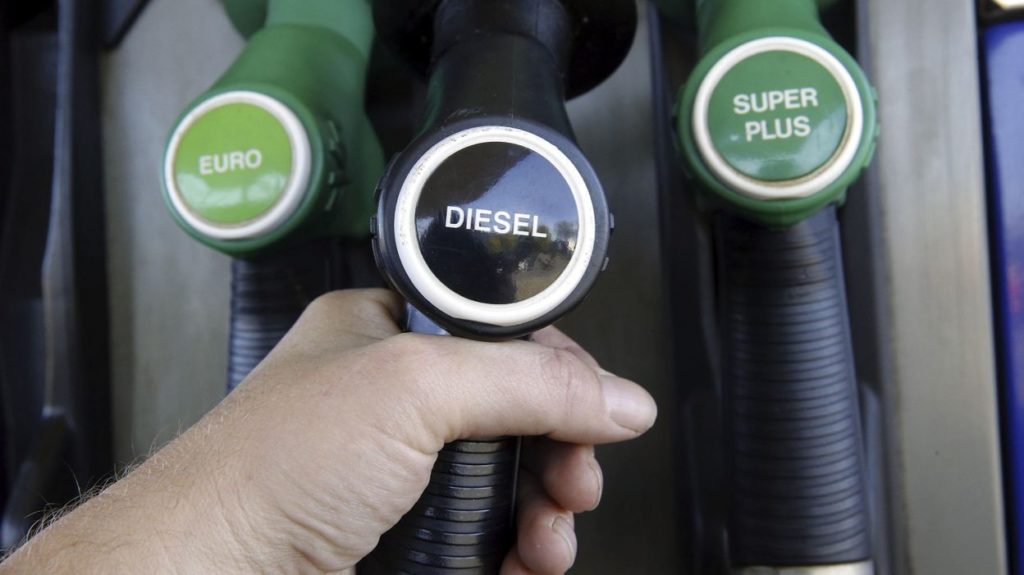
In 2024, petroleum products accounted for 48.2% of Belgium’s final energy consumption, much of it used in the transport sector.
The Department noted that this percentage has remained fairly constant over the past decade, despite efforts to diversify. In 2023, oil accounted for 47.9% of consumption.
Belgium remains highly dependent on energy imports, particularly crude oil and natural gas, with an energy dependency rate of nearly 76%.
Between 2023 and 2024, final energy consumption, which includes household, industrial, and agricultural use, increased by 2.6% to 37.4 megatonnes of oil equivalent (Mtoe). This rise in consumption was largely due to a revival in the industrial sector, which accounts for 25% of usage.
In 2024, 13.9% of final energy consumption was obtained from renewables, a slight decline from 2023 but still above the European minimum threshold of 13%. This was the first-ever percentage decrease recorded for renewable energy, although the overall trend remained positive.
The drop was attributed to less favourable weather conditions for renewables, lower biofuel use in transport, and increased overall energy consumption, which reduced the renewable share as a percentage.
