
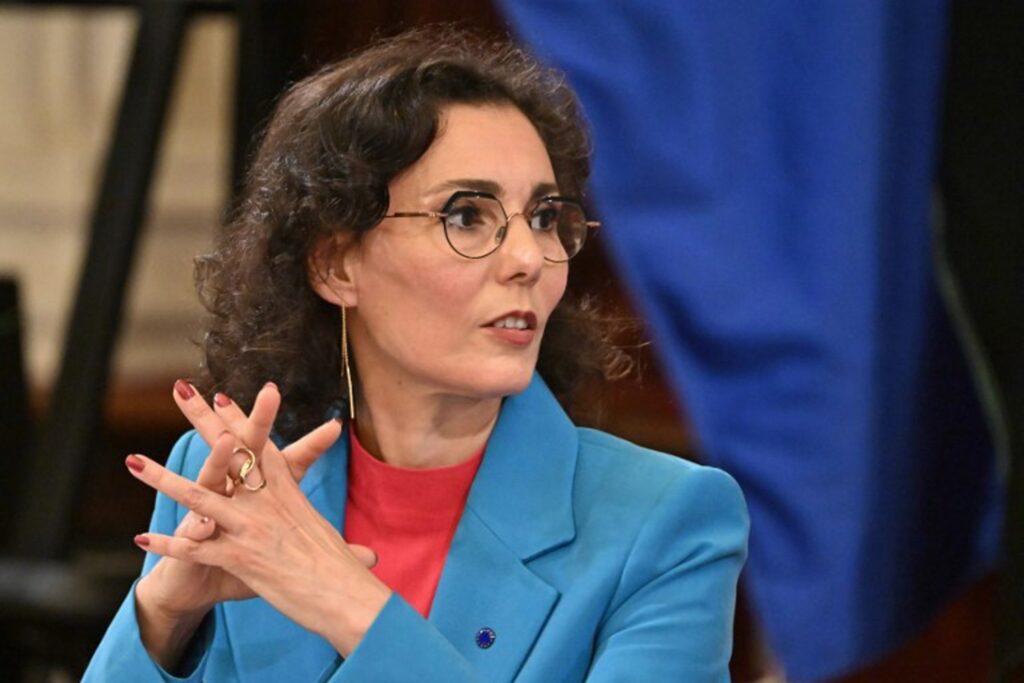
The European Commission wants to bolster strategic reserves of essential goods and medicines to prepare for potential armed conflicts within Europe, as well as climate disasters, pandemics, and hybrid attacks, according to Commissioner Hadja Lahbib.
“The more we prepare, the less we panic,” Ms. Lahbib, Commissioner for Crisis Preparedness and Management, said on Wednesday at a press conference.
The Commission aims to improve access to essential goods and critical resources throughout the EU, primarily by enhancing cooperation among Member States.
This involves emergency equipment such as tents, blankets, and water purification kits, as well as vaccines, medicines, food supplies for shortages, generators, and critical raw materials for industry.
By establishing these reserves, the EU seeks to “strengthen its immune system,” Commissioner Lahbib explained.
The EU aims to provide safeguards against natural disasters exacerbated by climate change and health crises caused by pandemics or industrial accidents.
It also seeks to defend against “hybrid” attacks like cyberattacks and sabotage, and to anticipate the ramifications of armed conflicts, including on its own territory.
Rather than amassing large quantities of products, the European strategy focuses on better coordination of national stocks and improved anticipation. It also includes cooperation with the private sector.
“We do not need a fleet of firefighter planes in every Member State,” noted Ms. Lahbib. “What we need is a system that allows for the rapid deployment of these resources, where and when they are needed.”
The Belgian commissioner acknowledged that financial resources would be required to ensure adequate crisis preparedness, and expressed a desire to secure appropriate funding in the next EU budget.
In the meantime, information exchange among Member States will help avoid “wasting money,” she stressed.
