
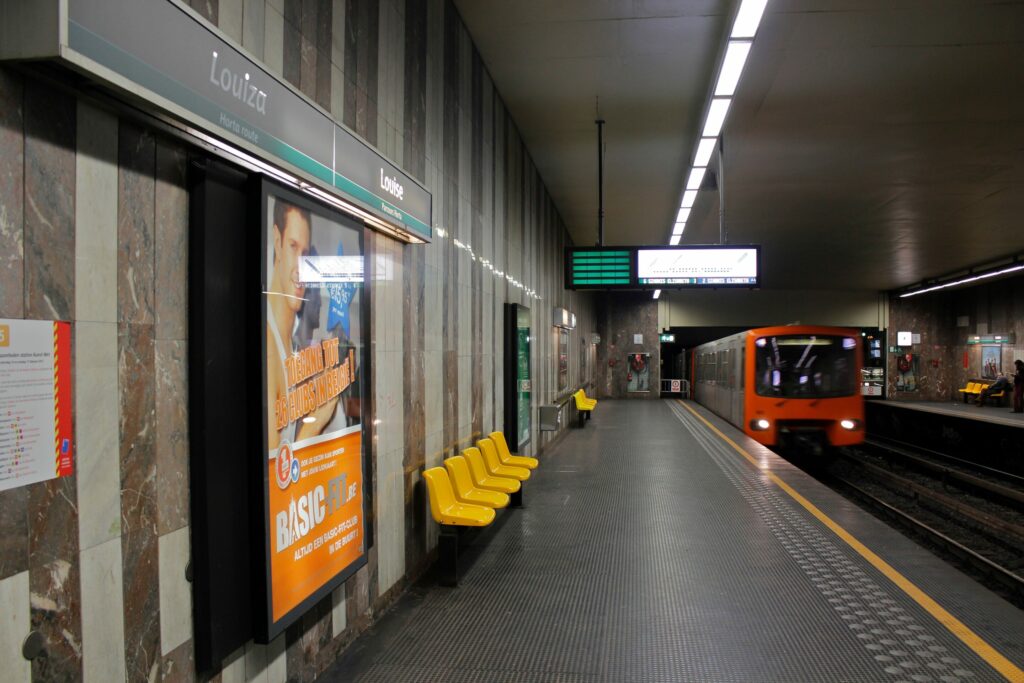
Brussels residents who regularly use metro lines 2 and 6 to get around the capital may have noticed an increase in technical problems, breakdowns and blockages in recent weeks. These are partly due to the hot weather, according to public transport operator STIB/MIVB.
STIB/MIVB's metro network in Brussels is currently facing challenges in terms of modernisation: most interruptions are due to technical faults in the oldest metros – which are now nearly 50 years old. These only run on lines 2 and 6.
"In some cases, the problems are caused by wear and tear that can sometimes be invisible," STIB/MIVB spokesperson Laurent Vermeersch told The Brussels Times. "Extreme weather conditions, such as the recent heatwave, are an additional constraint that can make the difference between a breakdown and no breakdown."
The last straw
In many cases, the primary cause of the breakdowns was not the heat, but the same component simultaneously failing in different metro trains. This is not unusual: some series of metro trains are all of the same age, meaning they all have the same parts that require maintenance at similar times.
"Since the wear and tear is comparable, some parts reach their limit in several trains at the same time. Depending on the problem, it can take some time to find the right solution and apply it to all the trains in question," Vermeersch said.
While it is hard to determine to what extent the temperatures at the start of July played a role, the heatwave may have been the last straw for some of these older components to overheat in the span of just a few days. "We are aware that the situation is not ideal for our passengers. The teams are working hard to find solutions to these problems."
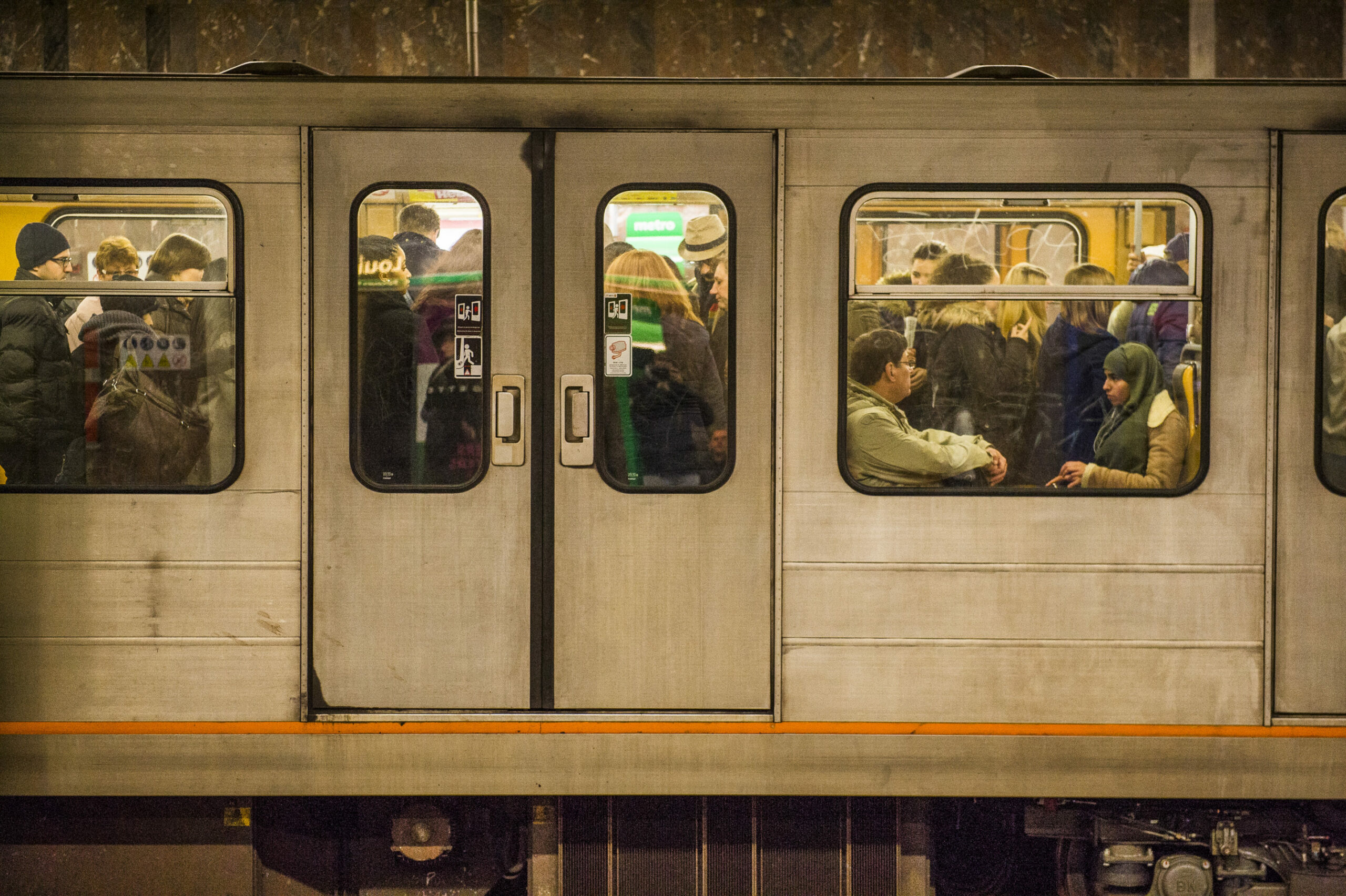
Additionally, an increasing number of people on the tracks are being reported (over 400 in 2024), and they are seen relatively more often on lines 2 and 6. "Even if the person leaves quickly, the interruption can easily last 20 to 30 minutes. The power has to be turned off and the tracks must be checked before metro traffic can resume."
Credit: Belga/Laurie Dieffembacq
STIB/MIVB is focusing on prevention and enforcement to reduce this problem, as well as testing platform walls as a structural solution that makes trespassing impossible.
Due to the ageing metro infrastructure, occasional problems with points or tracks happen as well. An extensive metro modernisation programme (with investments in new signalling and new switches) is currently underway, but the roll-out is taking time because the metro can not be interrupted too often.
"For switches, we need a long weekend without service, which we do three times a year," Vermeersch said. "For signalling, we occasionally close the metro a bit earlier."
No matter what the cause of an interruption is, adjustments to the service are required to restore regularity on the line afterwards. "In concrete terms, this may mean that all passengers have to get off because a metro is asked to turn around and reinforce service in the other direction, for example."
In the coming months, additional M6 trains – currently the newer and most reliable trains on STIB/MIVB's network – will be transferred to lines 2 and 6. Currently, they make up almost half of the fleet on those lines, and this will be further increased by the beginning of next year.
