
Belgium has begun conducting internal border checks to prevent illegal immigration. The measure may prompt travel delays and residence permit holders are advised to travel with ID to prevent hold-ups.
The "inland entry checks" will target motorway rest areas, international bus traffic, certain routes such as the road connecting Dunkirk in France and De Panne in Flanders, certain trains such as at Brussels Midi-station and on intra-Schengen flights from countries with a higher flow of people migrating, such as Italy and Greece.
Controls will be carried out in close cooperation between the federal police, local police and the Immigration Office, Interior Minister Bernard Quintin (MR) and Asylum and Migration Minister Anneleen Van Bossuyt (N-VA) stated when announcing the policy on 19 June.
"We are assuming our responsibility by carrying out strict targeted checks at crucial junctions," said Quintin. "We are therefore tackling illegal migration flows and preventing migration pressure from moving into Belgium, while tackling crime more effectively to strengthen security on our territory."
Bossuyt pointed out that some neighbouring countries have already tightened their policies.
"If we do not take action, our country risks becoming a magnet for those stopped elsewhere," she said. "Our message is clear: Belgium will no longer tolerate illegal migration and asylum shopping."
Delays and disruptions
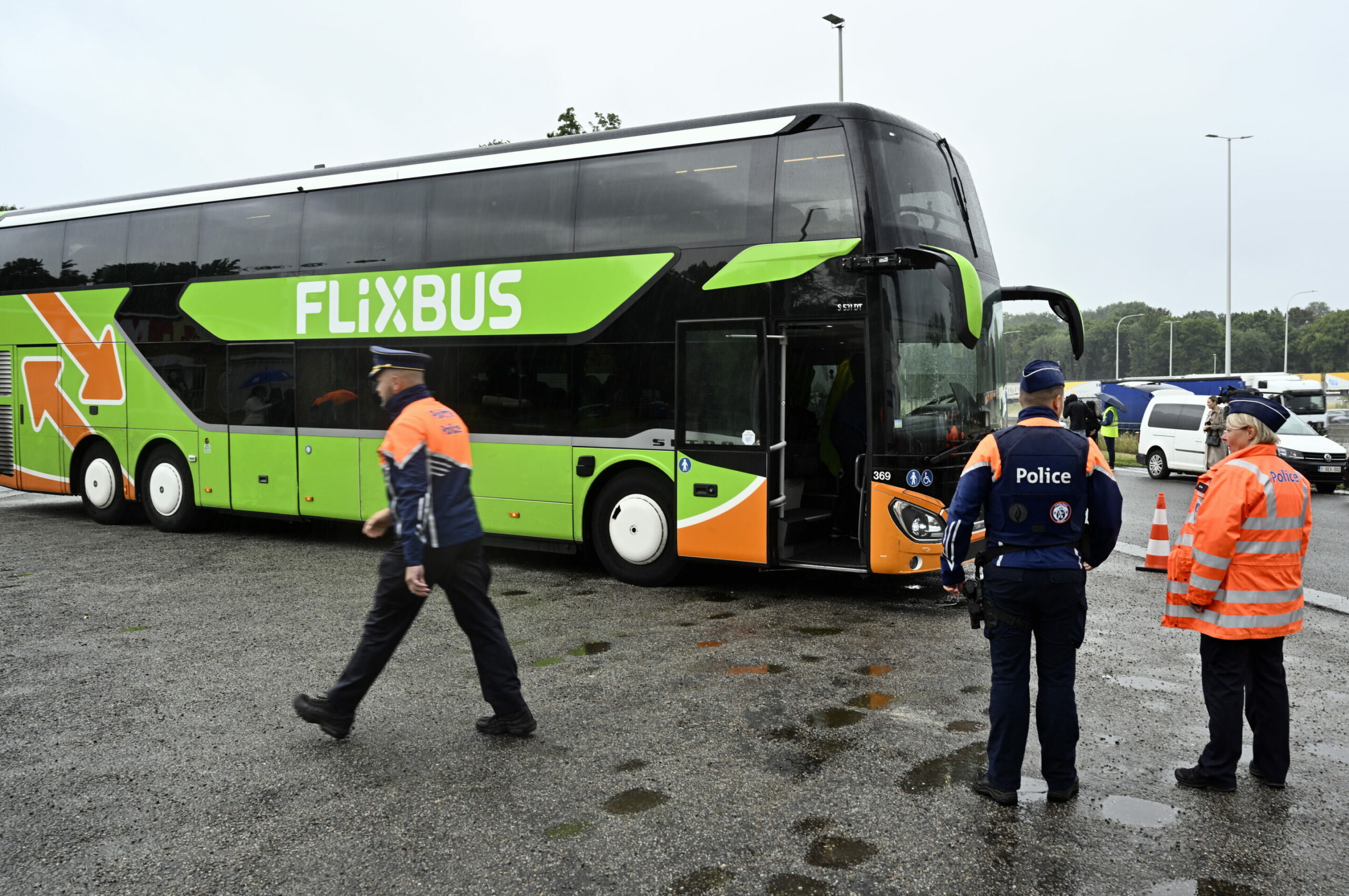
Police officers check a Flixbus on 7 July 2025. Credit: Belga / Eric Lalmand
In May, Germany's new Interior Minister instructed police to tighten border controls with the goal of turning back more irregular migrants, including those who intend to seek asylum in the country.
The Netherlands also implemented temporary controls at its borders with other Schengen countries in December. They were recently extended until 9 December 2025.
The measures go against the principle of the Schengen area – a trademark EU agreement enabling citizens and goods to travel freely between countries – and residents of border regions have complained about delays due to these controls.
The internal checks may also prompt travel disruptions. Internationals residing in Belgium are advised to always carry a passport and a valid residence permit. The checks may occur without prior notice and travelling without proper documentation could result in delays, questioning or entry refusal.
'PR stunt'
Federal MP Matti Vandemaele (Groen) is critical of the government's decision to tighten entry controls into Belgian territory.
"People moving from one country to another is a reality," he said in Parliament on 19 June. "Claiming that we can stop this with border controls, especially between European countries where free movement is possible, is completely absurd."
"In addition, the Belgian borders are 1,445 kilometers long. What does the Minister (Van Bossuyt ) want to do? Install a guard post every ten metres?" He asked.
For the MP, this decision is nothing more than a "symbolic PR stunt by which the Minister of Asylum and Migration demonstrates that she is not pursuing a serious policy and displays her incompetence."
Related News
- 'Sign of what's to come for society': What Belgium's asylum policy means for newcomers
- 'We should be afraid' - Amnesty International's damning report on human rights in Belgium
- Germany to increase police presence at borders
Vandemaele points to the impact of border controls in Germany, which he says has been "a costly experiment, requiring a considerable investment of resources and time. The German controls resulted in interminable waiting times, with a major economic impact."
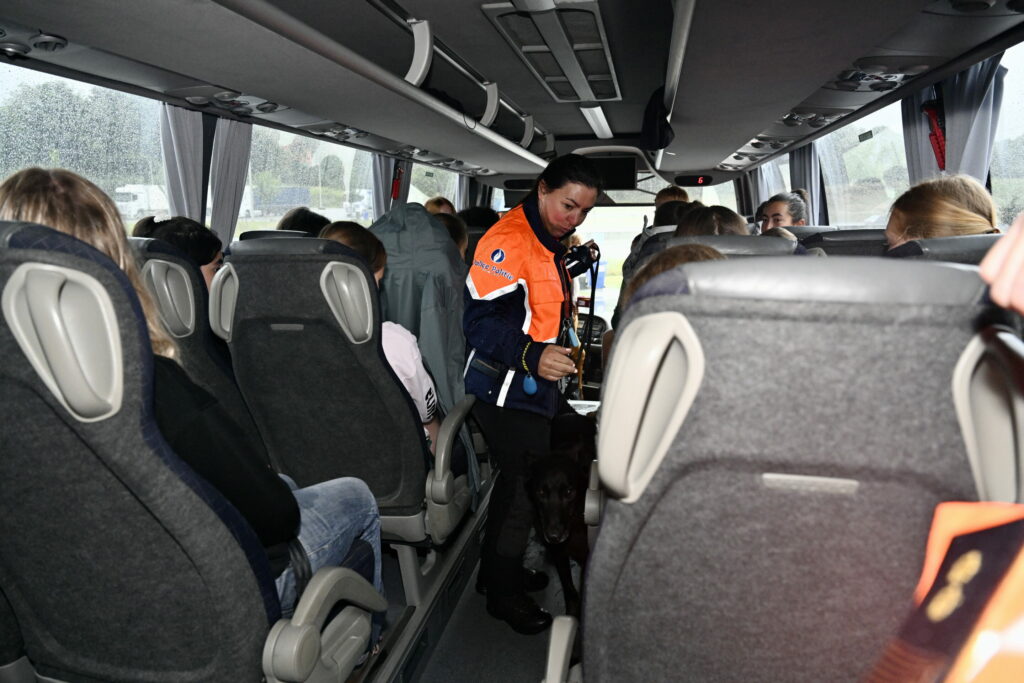
Speaking at a preliminary and symbolic bus check on the E19/E42 near Mons on 7 July, Quintin said "Internal controls allow us to achieve our objective of combating illegal migration and organised crime. These controls will not solve these problems, but that does not mean that they should not be carried out."
