
Stellantis announced on Wednesday that it is ending its hydrogen development programme and its pioneering offer of hydrogen fuel cell-equipped commercial vehicles. The company stated that this decision was made due to “a lack of medium-term prospects for the hydrogen market.”
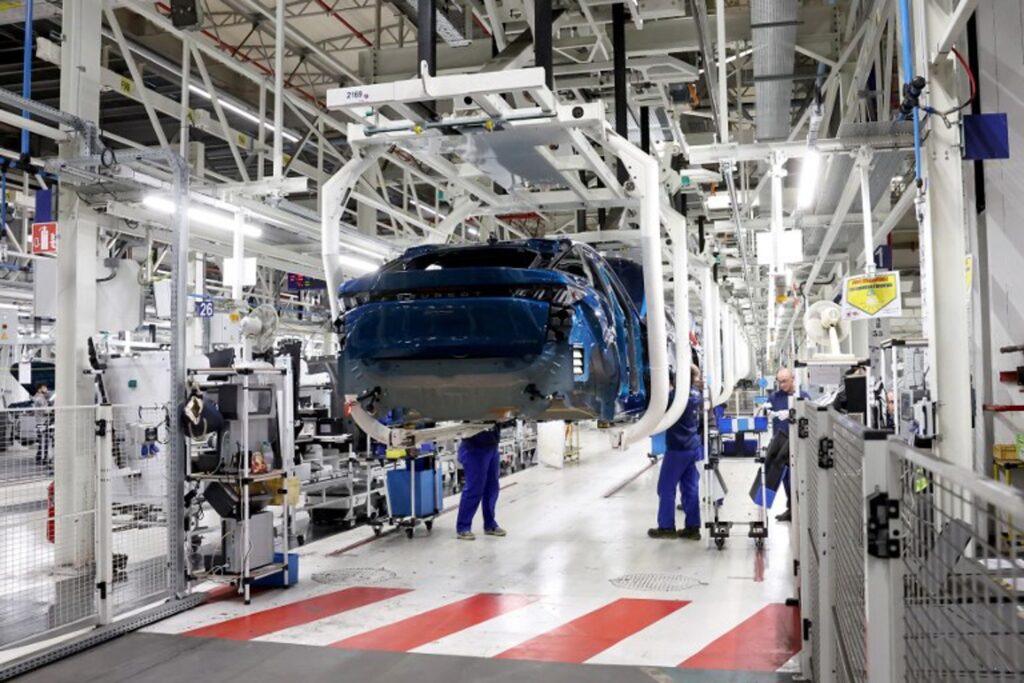
The mass production of a new range of hydrogen vans, set to begin this summer in Hordain, France and Gliwice, Poland, has been cancelled. The group, now led by Italian Antonio Filosa since late June, had sold only 300 units of its previous series.
Approximately 100 employees working on the project will be “redirected to other projects,” according to Stellantis. The company does not foresee the adoption of light commercial hydrogen vehicles before the end of the decade. This is due to the “limited availability of hydrogen refuelling infrastructure, substantial investment requirements, and the need for very high incentives for customers.”
This decision sends another grim signal for hydrogen in transportation, as part of the automotive industry and European countries like France had been attempting recently to use it as an alternative to large electric vehicle batteries.
Compared to electric vans, which are increasingly common in cities, hydrogen vehicles offer short refuelling times and long range, similar to diesel, benefits sought by logistics companies and local governments. They also require smaller batteries, thus needing fewer raw materials.
However, hydrogen models remain very expensive to purchase, at about €100,000 each, and charging stations, costly to install, are scarce.
This decision raises questions about the future of Symbio, the joint venture launched in 2023 by Stellantis with Michelin and equipment supplier Forvia.
Stellantis has stated that it has “initiated discussions” with its partners, even though Symbio has other clients. “The hydrogen market remains a niche segment, with no economic profitability in sight in the medium term,” explained Jean-Philippe Imparato, Stellantis’s director for Europe, in the statement.
Renault also announced the liquidation of its hydrogen van plant in Flins, Yvelines, in early 2025. Among car manufacturers, only Toyota, Hyundai, and BMW continue to invest in hydrogen with small development programmes and a limited number of vehicles on the road.
