
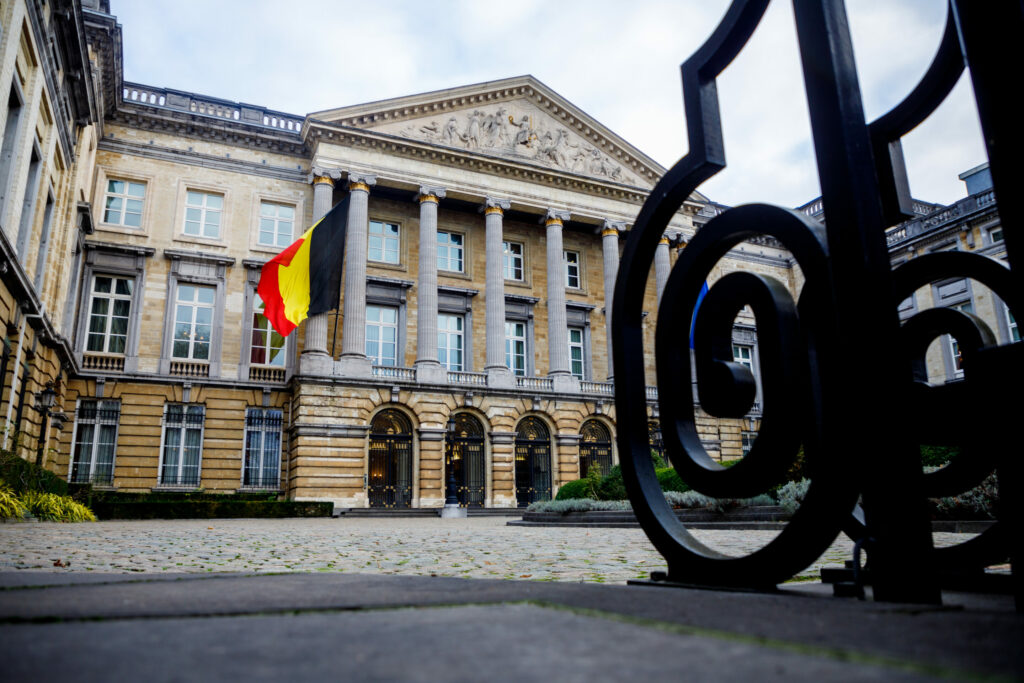
The Belgian Parliament approved measures to tighten family reunification and help ease prison overcrowding on Thursday night. A motion was also passed against the Iranian regime.
Proposed by the Minister for Asylum, Anneleen Van Bossuyt, the family reunification law received backing from the Arizona coalition, as well as Vlaams Belang and Open VLD, but was opposed by PS, PTB, Ecolo-Groen, and DéFI.
It aims to reduce the number of foreign nationals entering Belgium through a family reunification process, a major migration route. It is particularly targeting individuals asylum seekers with international protection.
Last year, 13,102 visa applications were filed under family reunification, compared to 9,358 in 2023.
A key element of the new measures is the increased income requirement for sponsors. Previously, the minimum income threshold was raised to 110% of the average guaranteed minimum monthly income, which amounts to €2,323.
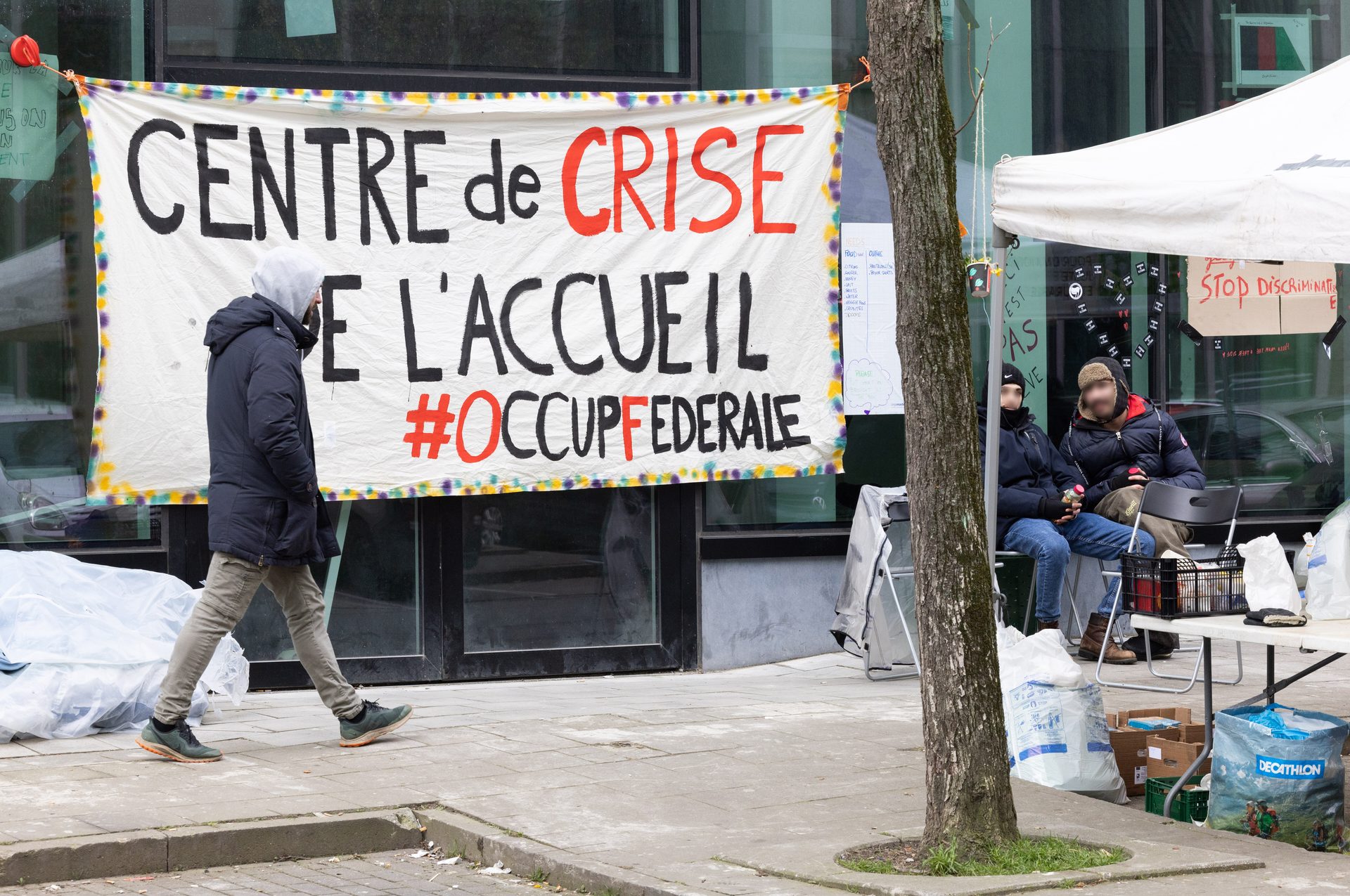
Illustration picture taken during a visit to the building and the occupants of the future National Crisis Center, in Brussels, Monday 20 March 2023. Credit: Belga / Benoit Doppagne
An additional 10% of this amount will be required for each additional family member, with no upper limit. This provision has been criticised by the Council of State.
The grace period for recognised refugees’ family members is reduced to six months, while it will be removed entirely for beneficiaries of subsidiary protection.
The Council of State has expressed concerns over these differences in treatment. Moreover, the waiting period before a new arrival can bring their family over is extended, and the age threshold for family reunification is increased to 21 years.
Justice reform
To tackle the country’s worsening prison overcrowding crisis, MPs passed an emergency law proposed by Minister of Justice Annelies Verlinden (CD&V).
The emergency law prioritises alternative sentencing. Judges will now be required to justify any prison sentence of up to three years, and for terms of up to six months, alternative sentences will be mandatory.
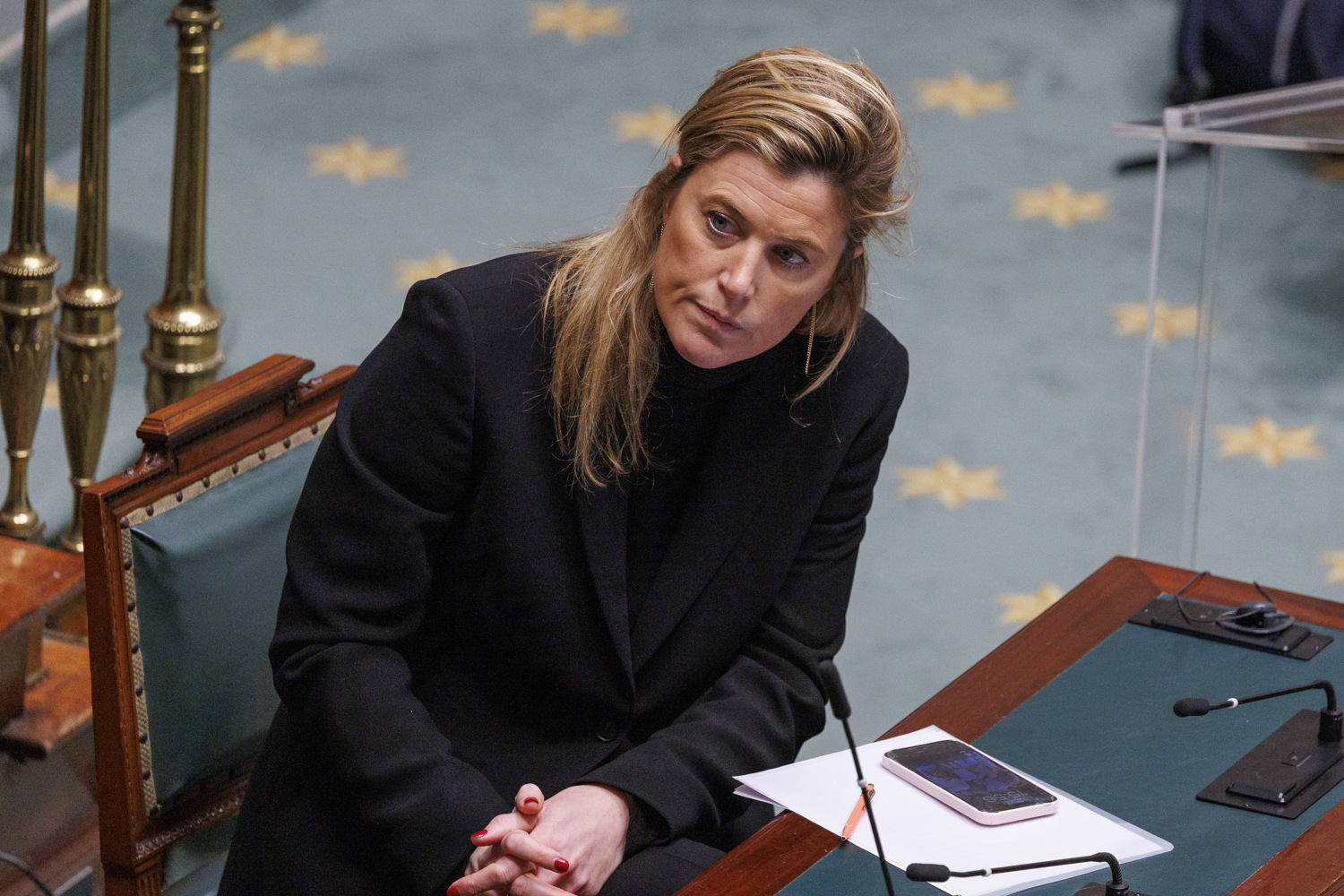
Minister of Justice Annelies Verlinden pictured during a plenary session of the Chamber at the federal parliament, in Brussels, Thursday 13 February 2025. Credit: Belga / Nicolas Maeterlinck
It also reverses a previous rule by former Justice Minister Vincent Van Quickenborne (Open VLD), which had required all sentences under three years to be served in prison.
Under the new law, early release is possible after serving one-third of the sentence, and even sooner with ankle monitors. Those convicted of terrorism or sexual offences are excluded from early release provisions.
An amendment introduced by the majority further prohibits perpetrators of serious crimes like domestic violence, incest or child abuse from serving their sentences at victims' homes, even with the victims' consent.
The Parliament also unanimously supported a resolution calling for the Iranian Revolutionary Guard to be added to the EU’s list of terrorist organisations. Only the Belgian Workers' Party (PVDA-PTB) abstained.
The resolution highlights the plight of VUB professor Ahmadreza Djalali, sentenced to death in Iran in 2017, and other political prisoners. MPs urged the Belgian Government to "take the necessary initiatives" to coordinate with EU partners on the classification.
