
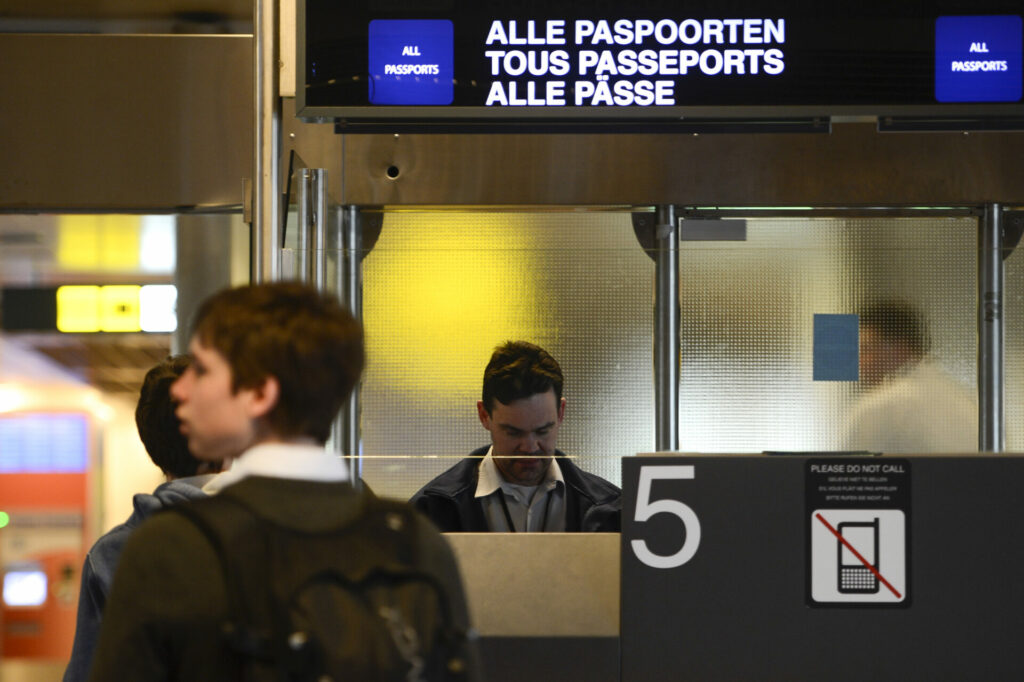
The European Commission wants to charge third-country nationals who apply for visa-free travel to the European Union a fee of €20 in future – nearly triple the amount that was initially agreed to.
The fee is part of the European Travel Information and Authorisation System (ETIAS) that the EU is currently setting up – based on the American ESTA procedure – for visa-exempt travel to 30 European countries: all EU Member States (except Ireland), Iceland, Norway, Liechtenstein, and Switzerland.
In practice, it means that non-EU nationals with a visa exemption will have to apply for travel authorisation in advance and provide a number of personal details.
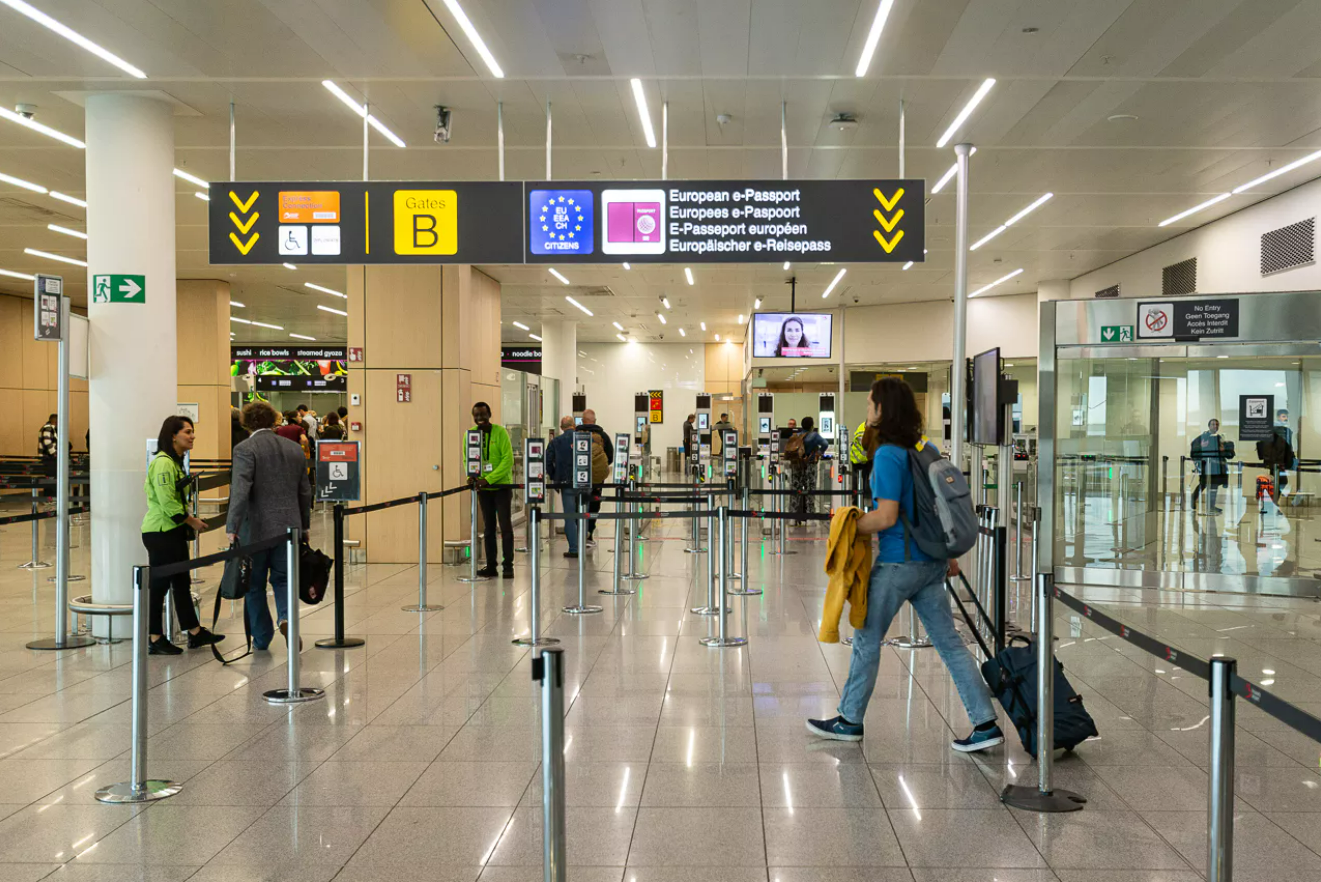
Credit: Belga/James Arthur Gekiere
The ETIAS Regulation, adopted in 2018, initially established a fee of €7. "Taking into account the rise in inflation since 2018 and additional operational costs related to new technical features integrated into the system for example, the fee will be adjusted to €20 per application," the Commission said.
The authorisation will then be valid for three years, for trips of up to 90 days.
This change will also bring the cost for a travel authorisation to the EU in line with similar travel authorisation programmes such as the UK's Electronic Travel Authorisation (ETA – which costs £16, or €18.50) and the US' Electronic System for Travel Authorization (ESTA – which costs $21, or €18).
In the European system, applicants who are under 18 or over 70 years old at the time of application are exempt from this fee. Also exempt are family members of EU citizens and family members of non-EU nationals who have the right to move freely throughout the European Union.
Credit: Belga/Dirk Waem
Although the EU Member States and the European Parliament approved the introduction of ETIAS seven years ago, the automated border control system is still not operational. The Commission is currently aiming for the last quarter of 2026.
Once ETIAS is operational, non-EU nationals who can travel to the EU without a visa will have to fill out an online application before their trip, providing personal information such as their names, date of birth and travel document number, in line with the ETIAS regulation. The application will be processed automatically, and the traveller will receive a decision within minutes.
The ETIAS will affect some 1.4 billion people from over 60 visa-exempt countries – including the United States and the United Kingdom – who will be required to have a travel authorisation for short-term stays. This includes tourists, business visitors, and family travellers.
"The adjustment of the fee will now undergo the two-month review period of the Council and the European Parliament (renewable once). It will enter into effect as soon as ETIAS is operational," the Commission said.
Is an ETIAS the same as a visa?
Simply put – no. The ETIAS travel authorisation form is an electronic entry point, an authorisation for travellers coming from countries that are currently visa-free. In a press release dating back to 2018, the European Commission already described the system as "not a visa" but rather an "automated IT system" to "identify any security or irregular migratory risks" posed by visa-exempt visitors travelling to the Schengen area.
ETIAS should be a "simple, fast and visitor-friendly system," which will result in a positive answer within a few minutes for the great majority of travellers wanting to enter Europe.
Getting the authorisation does not reintroduce visa-like obligations: there is no need to go to a consulate to make an application, no biometric data is collected, and significantly less information is gathered than during a visa application procedure.
Whereas a Schengen visa procedure can take up to 15 days (and up to 30 or 60 days in some cases), the online ETIAS application only takes a few minutes. Additionally, it will remain valid for a period of three years, significantly longer than the validity of a Schengen visa.
Why is ETIAS being introduced?
The ETIAS is part of a sweeping digital infrastructure meant to boost border security across the EU. Eligible travellers must apply online before their trip by filling out a short form, which lists personal details such as their full name, birth date, and passport number.
The system then screens each applicant for security, health, and migration risks against multiple EU databases (Interpol, Europol, the Schengen Information System, ...). If red flags appear – such as a criminal link or a stolen passport – authorities can deny entry.
Most applicants will get approved within minutes; the process does not require a trip to a consulate or embassy.
For now, however, travellers can still enter the EU without paying such a fee as the ETIAS has not been launched yet.
